Library


Filter archive

Publication date
Editor's choice
Monday Commentary
Monday Commentary: As war in the Middle East rages on, it is necessary to keep sight of the big picture, and seek bold and ambitious solutions

Monday Commentary: As war in the Middle East rages on, it is necessary to keep sight of the big picture, and seek bold and ambitious solutions

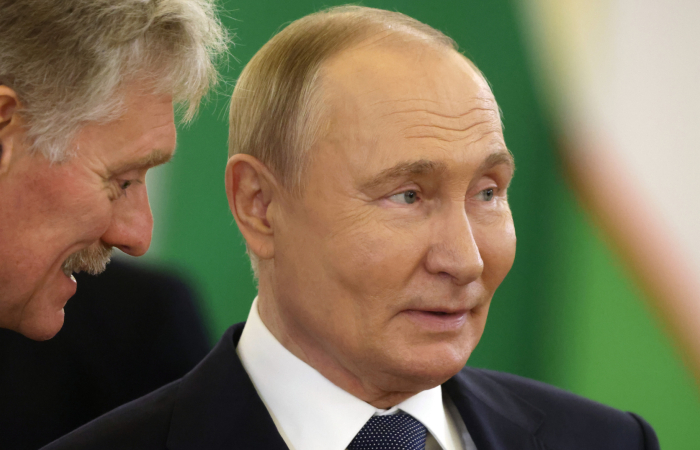
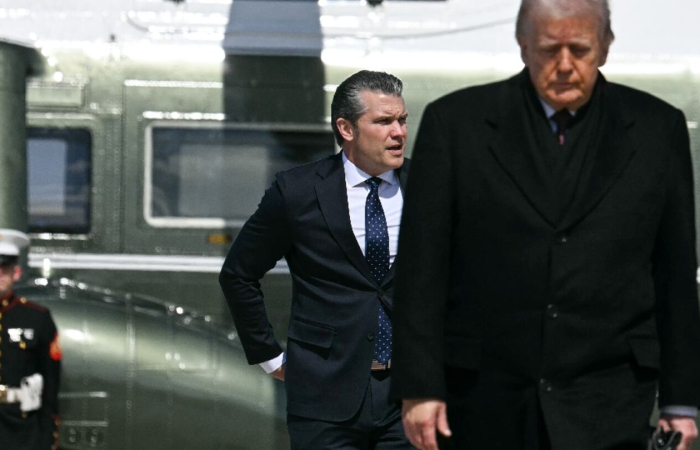
The war in the Middle East goes on. Most countries, governments and people think it was unnecessary and unjustified. The person who started it, and who has the power to stop it quickly, Donald Trump, has as much as admitted he had not thought the whole thing through properly. This war has already deformed the Middle East in ways we are just starting to understand. Its negative impact on the world, even if it stops tomorrow are going to be deep and long lasting. Some will despair. But governments, international organisations, and more broadly civil society, do not have this luxury. It is time to rethink, regroup, and develop a future strategy. For that it is necessary to look at the big picture. This is far from easy while the senseless war continues but it is necessary, and all those who can, in their different ways, need to contribute. On 19 March the EU had a summit of the leaders of the 27 member states in Brussels. It was a serious, somber affair, overshadowed by the war in the Middle East, and the political and economic fallout from it. Big decisions were taken. The European leaders also met with the UN Secretary General, Antonio Gutteres. Both the EU and the UN are large organisations, that often look dysfunctional. But for the future if the world, post the Trump war in the Middle East, both are vital  The commitment of both to multilateralism at this precise moment, when the concept appears broken, is welcome. The world must recognize that the present crisis, is the biggest challenge since WWII. The solutions must be equal to the challenge. They must also be bold and ambitious. The EU working with the UN is one of the few, maybe only, actor that can make a difference. But this will require political will and determination. The Brussels EU meeting on 19 March gave a hint of that. But we are not there yet. ---- Monday Commentary will take a two-week Easter break, and will next be published on 13 April 2026. In the meantime however, commonspace.eu will continue to be updated daily. (Click the picture above to read the full Monday Commentary).

Editor's choice
News
Georgian Patriarch buried amid scenes of nation-wide grief

Georgian Patriarch buried amid scenes of nation-wide grief

Catholicos-Patriarch of All Georgia, Ilia II, was was buried in Tbilisi on Sunday (22 March) amid expressions and scenes of nation-wide grief. Crowds filled the Holy Trinity Cathedral, and the route to the Sioni Cathedral where he will be buried, many shouting "We love you, Patriarch".  The service was led by Ecumenical Patriarch, His Holiness Bartholomew I, together with Metropolitan Shio and members of the Holy Synod of the Georgian Church. Soldiers lined the route from Trinity Cathedral to Sion Cathedral, but tens of thousands of people were also present Ilia II died on March 17. Since March 18, his body has been laying in state in the Trinity Cathedral where thousands of citizens paid tribute. During these days, the flow of people who wanted to say goodbye to the Patriarch flowed to the cathedral continuously, 24 hours a day. Citizens often had to stand in a queue for several hours to enter the cathedral.   Read the Obituary of Ilia II,  written by Dennis Sammut at  Read the Obituary of Ilia II,  written by Dennis Sammut here  Read the Obituary of Ilia II,  written by Dennis Sammut here   https://www.commonspace.eu/node/13740
Editor's choice
News
European leaders outline position on current situation in the Middle East

European leaders outline position on current situation in the Middle East

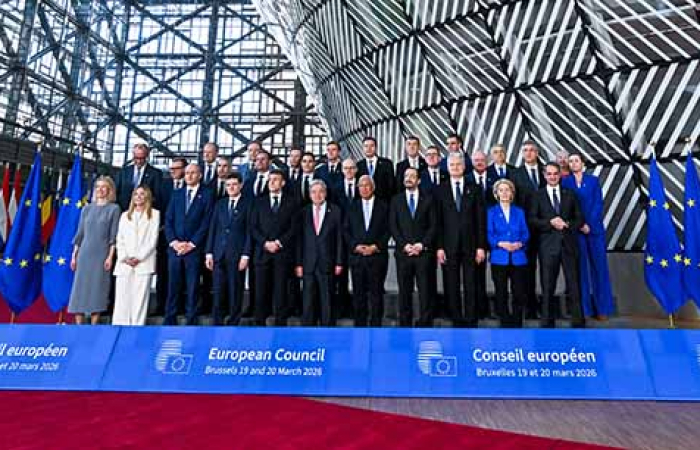
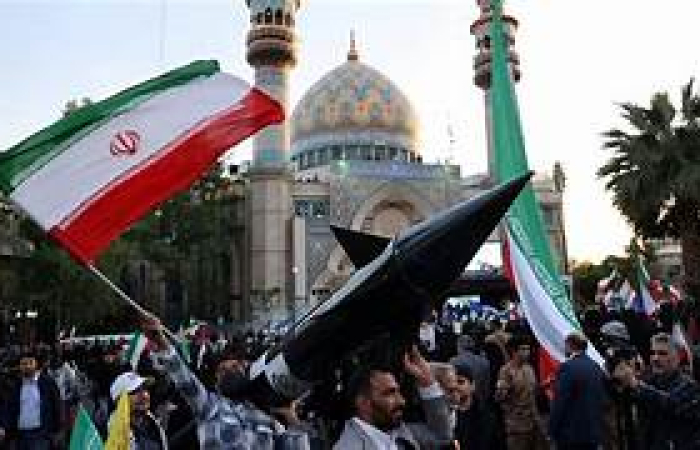
The leaders of the 27 member states of the European Union met in Brussels on Thursday, 19 March 2026, to discuss the current global situation, and, in particular, the crisis in the Gulf, and the wider Middle East. EU leaders adopted conclusions on Ukraine, the Middle East, competitiveness and the single market, European defence and security, migration, multilateralism, strengthening Europe's democratic resilience, protecting children online, the EU's eastern regions and Dniester river. The leaders also met UN Secretary-General António Guterres to discuss the geopolitical situation and multilateralism. In their decision the EU leaders said, "Developments in Iran and the wider region threaten regional and global security. The European Council calls for de-escalation and maximum restraint, the protection of civilians and civilian infrastructure and full respect of international law by all parties, including the principles of the United Nations Charter and international humanitarian law. In this regard, it calls for a moratorium on strikes against energy and water facilities." The statement adds, "The European Union will continue to protect its security and interests, working with regional and global partners to counter the impact of the ongoing hostilities. The European Union and its Member States are taking all necessary steps to ensure the safety of EU citizens in the region, including by providing conditions for their safe departure." (Click the image above to read more).
Editor's choice
Interview
Thursday Interview: Brian Mefford

Thursday Interview: Brian Mefford

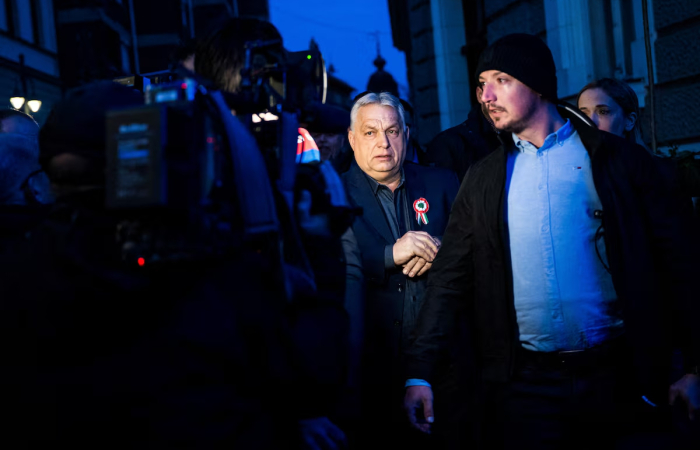
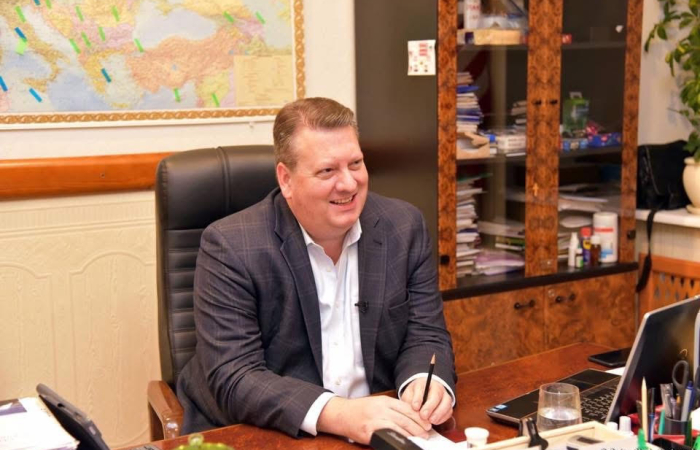
After more than 25 years working in Ukraine, Brian Mefford has witnessed the country through revolution, reform, and war. He began working in Ukraine in 1999 with the International Republican Institute, supporting democratic development and political reform, and later served as an adviser during the presidency of Viktor Yushchenko. He is the founder of Wooden Horse Strategies LLC, a boutique government and public affairs firm, and has also been heavily involved in humanitarian assistance efforts throughout Russia’s aggression in Ukraine, delivering over $6 million in humanitarian and medical aid to date. In this interview, he outlines how the war has accelerated long-standing reform challenges. He argues that corruption and national security are deeply intertwined, and that Ukraine’s changing public attitudes and strengthening institutions offer cautious optimism, provided international partners maintain both support and pressure in the years ahead. “Now, in the middle of war, is the time for the kind of structural changes Ukraine needs to make to prepare for eventual EU accession. We don’t know exactly when accession will happen. Perhaps it will be part of negotiations or a future peace settlement, but Ukraine needs to be ready. It shouldn’t wait until after the war to pass this legislation. Now is the time to do it, and it will likely be easier to do it now than later.” To read the full conversation, click on the image above.
Editor's choice
GULF CRISIS
Foreign Ministers of GCC and neighbours issue statement after Riyadh meeting

Foreign Ministers of GCC and neighbours issue statement after Riyadh meeting

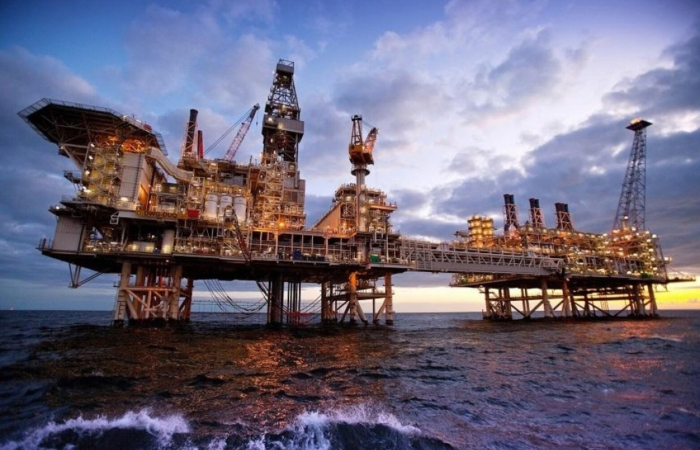
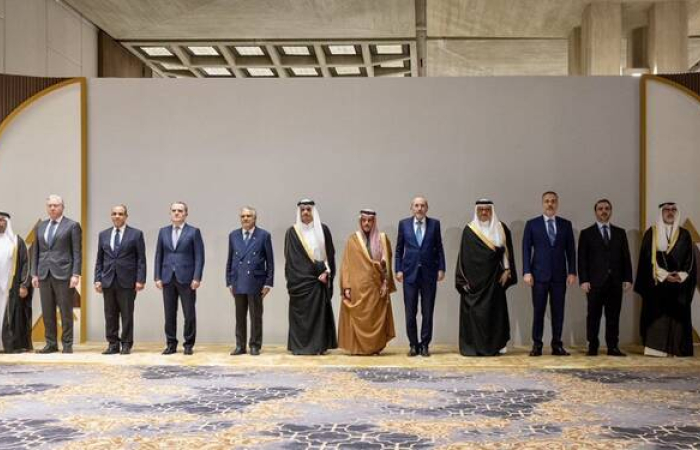
halt its attacks on regional states, warning that the future of relations with Tehran depends on its respect for sovereignty and non-interference in internal affairs. Foreign ministers from Arab and Islamic countries on Wednesday called on Iran to immediately halt its attacks on regional states, warning that the future of relations with Tehran depends on its respect for sovereignty and non-interference in internal affairs. The meeting brought together foreign ministers from Azerbaijan, Bahrain, Egypt, Jordan, Kuwait, Lebanon, Pakistan, Qatar, Saudi Arabia, Syria, Türkiye, and the United Arab Emirates. In a joint statement issued after a consultative ministerial meeting in Riyadh, the ministers stressed that continued Iranian actions — both direct and through allied groups — threaten regional security and undermine prospects for diplomacy. “The future of relations with Iran depends on respecting the sovereignty of states and non-interference in their internal affairs,” the statement said, in a clear reference to Tehran’s support for proxy groups across the region. The ministers strongly condemned what they described as deliberate Iranian attacks using ballistic missiles and drones targeting civilian infrastructure, including oil facilities, desalination plants, airports, residential buildings, and diplomatic premises across Gulf Cooperation Council countries and beyond. They said such actions “cannot be justified under any pretext,” and affirmed the right of affected states to defend themselves in accordance with Article 51 of the United Nations Charter. Calling for immediate de-escalation, the ministers urged Iran to adhere to international law, international humanitarian law, and the principles of good neighborliness as a first step toward restoring stability and advancing diplomatic solutions. (Click picture above to read full story)