Editor's choice
This is a members’ functionality. Please
Sign upInterview
Trending
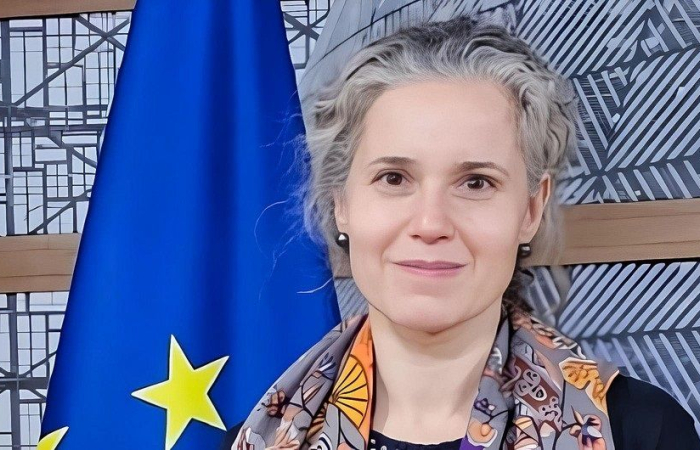
Thursday Interview: Amanda Paul
4 June 2026
The European Union faces a series of high-stakes tests in its eastern neighbourhood that, just a few years ago, would have been treated as projects of the coming decade. Ukraine is pressing for accession terms tied to an eventual peace settlement, which raises questions of how far the bloc's enlargement architecture, designed for stable peacetime applicants, can be adapted to a country at war. A €90 billion EU loan package for Ukraine, of which €60 billion is earmarked for defence procurement, has reopened the unresolved argument over how far European money should fund European industry, given that capacity in critical areas remains well short of demand. And in the South Caucasus, Armenia heads to the polls on 7 June under heavy Russian pressure, including economic restrictions and warnings of a "Ukrainian scenario", testing whether small post-Soviet states can credibly diversify away from Moscow at all.
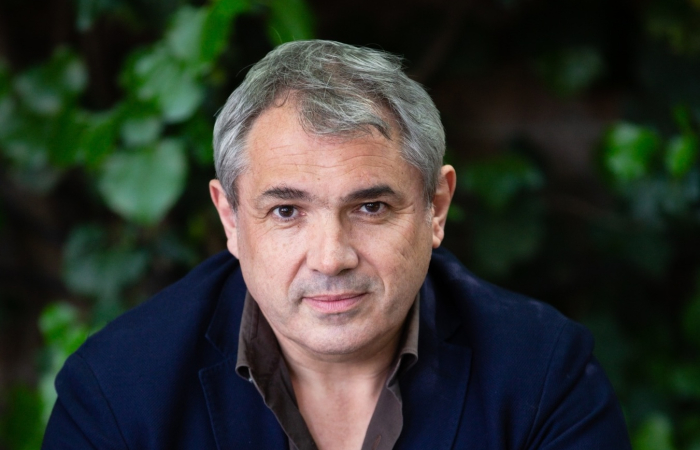
To discuss these issues, commonspace.eu welcomes Amanda Paul. Senior Policy Analyst and Deputy Head of the Europe in the World Programme at the Brussels-based European Policy Centre, she leads the EPC's work on Ukraine's European future and Global Türkiye. In this conversation, she sets out what a credible fast-track to Ukrainian EU membership would involve, examines the trade-offs in the "Buy European" defence debate, and discusses Russia's pre-election pressure on Armenia ahead of its parliamentary elections this coming Sunday.
“Intimidation is Russia’s calling card, if we can put it that way. It is not new, and it certainly will not be new to Prime Minister Pashinyan or any other Armenian official. This is what the Russians do. We cannot say that Russia’s intimidating narrative and messaging is empty, because it is not. We know that Russia still has leverage over Armenia in certain areas, and we have already seen them try to blackmail Armenia ahead of the elections. I am talking about restrictions on Armenian exports among other things.
This is damaging to the Armenian economy, as the Kremlins warnings about the economic consequences of getting closer to the EU. We have been hearing that for a long time, along with threats about ending discounted oil and gas supplies. Armenia still remains quite reliant on Russia for energy, but this is something that the government is trying to take in hand to the extent that it can, because Armenia’s geography does not do it any favours. There are no pipelines nearby, apart from the ones in Azerbaijan that could help them out in that respect.” (To read the full interview, click on the image above.)
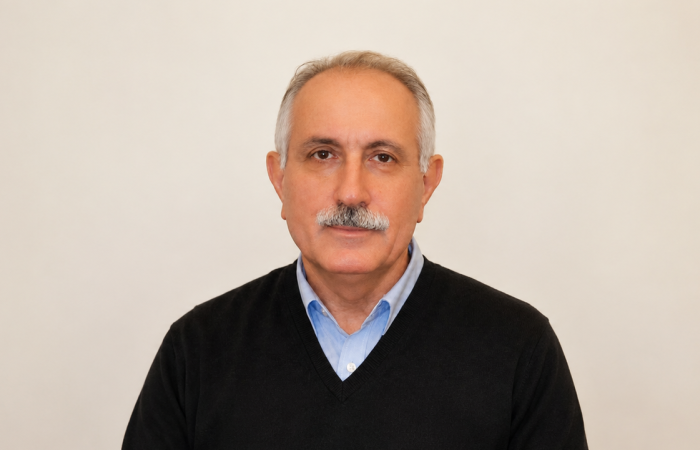
Lauri Nikulainen interviews Amanda Paul