Theme

Diplomacy

Editor's choice
Monday Commentary
Monday Commentary: Europe still needs the OSCE

Monday Commentary: Europe still needs the OSCE

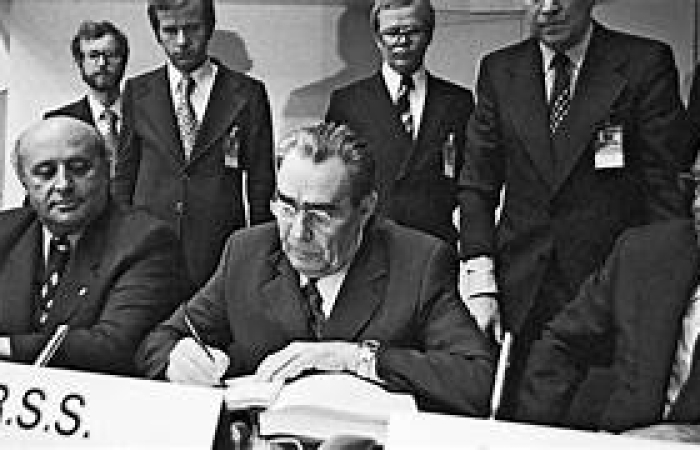
The Ministerial Council of the Organisation for Security and Co-operation in Europe (OSCE) will have its annual meeting in Vienna on 4-5 December. Foreign Ministers from the 57 member states, which also include the United States and Canada, and the Central Asian republics, and 11 partner countries, will congregate to discuss the future of European Security at a time when many believe that war in Europe over the next decade is likely. Ukraine is just a rehearsal for Russia’s ultimate ambitions. British diplomacy used to describe the OSCE as “the organization to manage Russia”. It has not done a good job of that, but this task remains paramount. The Ministerial Council will be the last major business of this year’s chairmanship, Finland, and will launch the new Chairmanship for 2026, Switzerland. The OSCE has been moribund for some time, and Russia’s invasion of Ukraine in February 2022, nearly ended it. But Europe still needs the OSCE, and there is hope that it will take a new lease of life in 2026. Switzerland has held the Chairmanship of the OSCE twice before, successfully. It has the experience, a wide network of embassies, and an able team in Bern, to successfully start what is likely to be a long and laborious journey. The new Chairman-in-office is Swiss Federal Foreign Minister Councillor, Ignazio Cassis. Cassis is also the current Vice President of the Swiss Confederation, and is fluent in Italian, English, German and French. Quite unusual also is the fact that currently the General Secretary of the OSCE is a Turk. Feridun Sinirlioğlu is an experienced Turkish diplomat, who has held the position for a year. Between them, Cassis and Sinirlioğlu will have to craft out the new OSCE, but in the end, it will largely depend on the will of the member states, including Russia. A new, reborn, OSCE, must understand that its core task remains European peace and security. It should resist the temptation of “looking busy” with a lot of secondary things. After peace and security return to Europe, it can consider other tasks. But we are far away from that yet. (Click the image to read the full commentary)
Editor's choice
News
Pope's visit to Türkiye and Lebanon has a strong ecumenical character, and places interreligious dialogue at its centre

Pope's visit to Türkiye and Lebanon has a strong ecumenical character, and places interreligious dialogue at its centre

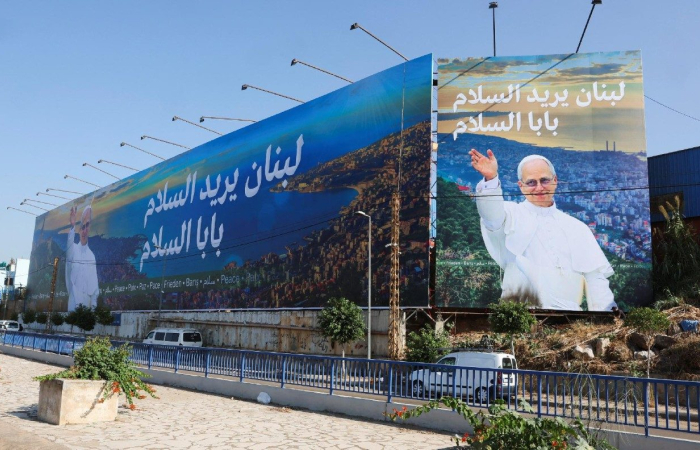
Pope Leo XIV has begun the first overseas trip of his pontificate, a six-day visit to Türkiye and Lebanon, which started yesterday (27 November) and ends on Tuesday (2 December). According to Vatican Radio, the visit "carries a strong ecumenical character and places interreligious dialogue at its centre. It will also be a moment of closeness to Christian communities and local populations across the region".   During nearly a week in the region, Pope Leo XIV will meet civil and religious authorities, visit mosques and ancient churches, pray at Beirut’s port in memory of the victims of the 2020 explosion, and hold private meetings with Presidents Recep Tayyip Erdoğan and Joseph Aoun.   A highlight of the visit will be a visit to Nicaea, where the Pope will mark the anniversary of the Council of Nicaea. Christians of many traditions recognise the Council of Nicaea as a foundation of shared faith. One of the most anticipated moments will be the Pope’s encounter with Lebanese youth in Bkerké, at the Maronite Patriarchate, a meeting expected to carry strong messages of hope in the Jubilee Year. A central event will be the ecumenical celebration in İznik, where the Pope and Ecumenical Patriarch Bartholomew will walk together toward the ruins of the Basilica of St Neophytos. The prayer, held before icons of Christ and the Council, will conclude with the lighting of a candle—a symbolic gesture of unity. The journey will also highlight interreligious engagement.   Memorable moments are expected throughout the trip: a wreath at Atatürk’s mausoleum, prayer inside the Blue Mosque, Mass at Istanbul’s Volkswagen Arena, the planting of a cedar at the presidential palace in Beirut, and prayer at the tomb of St Charbel in Lebanon. The Vatican said that "Pope Leo XIV’s pilgrimage to Türkiye and Lebanon aims to offer a voice of peace, unity, and hope at the heart of the Middle East."

Filter archive

Publication date
Editor's choice
News
ICC reports on war crimes and crimes against humanity in Darfur

ICC reports on war crimes and crimes against humanity in Darfur

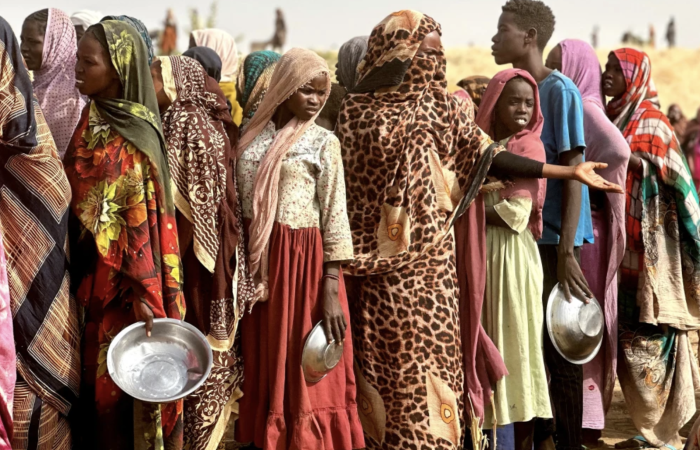
The International Criminal Court (ICC) has reported strong evidence of ongoing war crimes and crimes against humanity in Sudan’s Darfur region. On Thursday (10 July), the ICC’s deputy prosecutor, Nazhat Shameem Khan, told the U.N. Security Council that current reports describe famine, attacks on hospitals and aid convoys, the use of sexual violence as a weapon of war, and the forced recruitment of children to fight as soldiers. Khan also argued that 'abductions for ransom had become common practice'.
Editor's choice
News
Abu Dhabi peace talks come with small breakthroughs for Armenia and Azerbaijan

Abu Dhabi peace talks come with small breakthroughs for Armenia and Azerbaijan

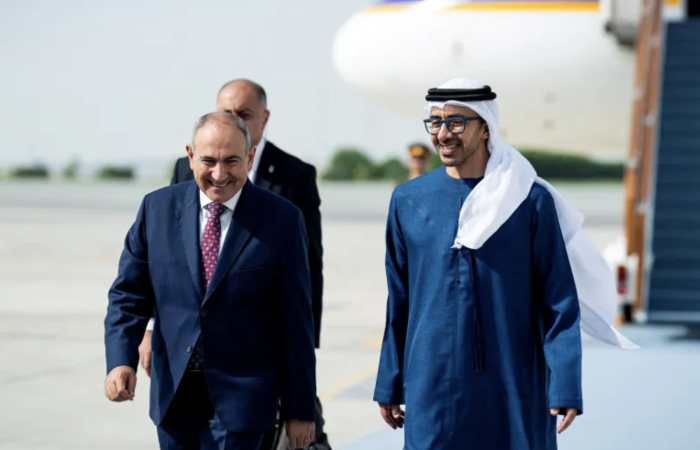
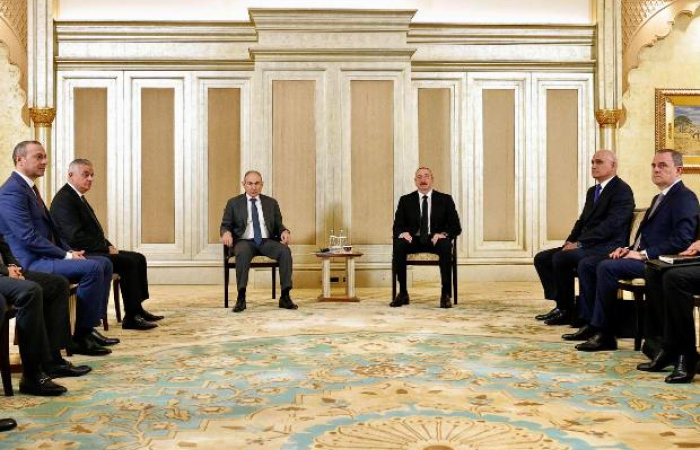
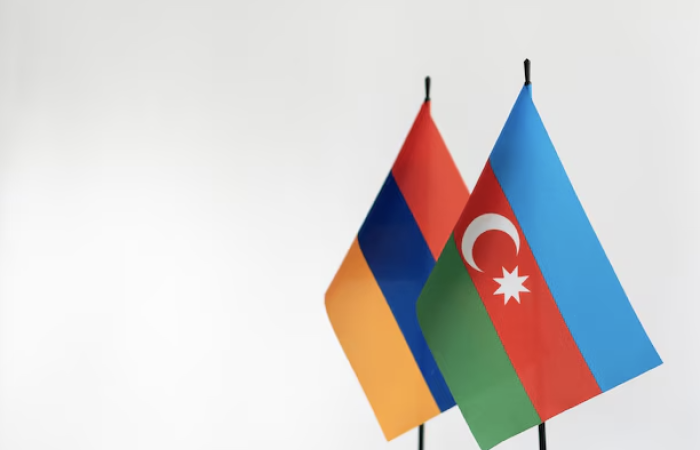
On Thursday (10 July), Armenian Prime Minister Nikol Pashinyan and Azerbaijani President Ilham Aliyev met in the UAE to advance their peace negotiations, following the March agreement on a draft treaty intended to end decades of conflict. The talks, which covered border delimitation and confidence-building measures, were described by both sides as constructive. However, no final timeline for signing the full agreement was announced.
Editor's choice
News
Leaders of Armenia and Azerbaijan meet in Abu Dhabi to finalise peace agreement

Leaders of Armenia and Azerbaijan meet in Abu Dhabi to finalise peace agreement

Armenian Prime Minister Nikol Pashinyan and Azerbaijani President Ilham Aliyev are meeting on Thursday 10 July in Abu Dhabi, United Arab Emirates, to discuss the next steps in finalising the peace agreement, their offices have confirmed to international news agencies. This is the first formal bilateral meeting between the leaders of Armenia and Azerbaijan since they agreed on the draft text of the peace agreement, following nearly four decades of conflict. The results of this meeting will shape the future of the South Caucasus and how the two countries can live peacefully next to each other after decades of conflict.
Editor's choice
News
The European Commissioner for Internal Affairs and Migration was expelled from eastern Libya immediately upon arrival

The European Commissioner for Internal Affairs and Migration was expelled from eastern Libya immediately upon arrival

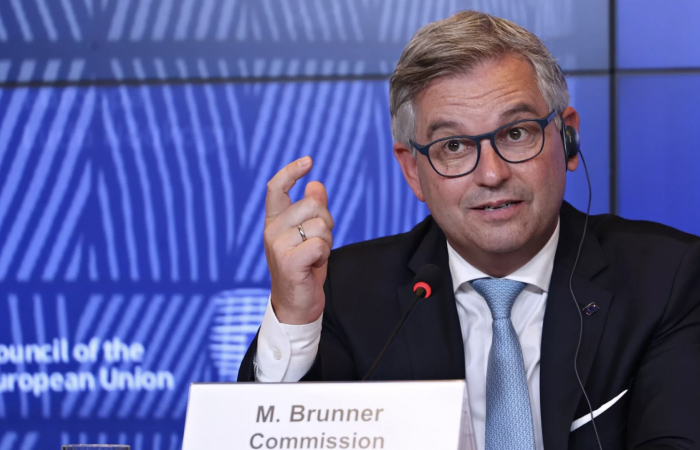
On Tuesday (8 July), Magnus Brunner, the European Commissioner for Internal Affairs and Migration, was expelled from the country by the internationally unrecognised government of eastern Libya, along with three European ministers. The delegation had hoped to reach an agreement with the government of army leader Khalifa Haftar to stop migrants leaving the country.
Editor's choice
Monday Commentary
Monday Commentary: Dialogue between Armenians and Azerbaijanis now more important than ever

Monday Commentary: Dialogue between Armenians and Azerbaijanis now more important than ever

The animosity between Armenians and Azerbaijanis runs deep. The two nations fought many battles against each other. In the wars of the last forty years, tens of thousands of people were killed, hundreds of thousands displaced, and billions of euros were lost in economic harm. On Thursday, 13 March 2025, the two sides finally announced that they had agreed on the text of a peace agreement. The agreement will be signed soon. Within societies, on both sides, there are expectations of what this peace will bring. There is also a sense of uncertainty and confusion, which is being used by spoilers, internal and external. A dialogue involving different segments of society, is now more important than ever. But this dialogue needs to have new characteristics to respond to new realities. LINKS Europe, an organisation that has been involved in many peace initiatives in the South Caucasus in the past, is currently engaged in such a process. It recently launched a new Armenia-Azerbaijan dialogue format in the framework of the European Union's EU4Peace initiative. In the last two weeks, dozens of Armenians and Azerbaijanis, including academics, students, civil society activists, journalists and other professionals, many of them young, were involved. The work is organised in five thematic groups focusing on peace and security, connectivity, environment, governance and gender and equality and in phase 2 of the project, which has just ended, around fifty participants took part in in-person and online meetings, and more than twenty others were involved indirectly. The Chairpersons of the five thematic groups met in Vilnius, 3-6 July to launch the third phase of the program.
Editor's choice
News
Russia is the first country to recognise the Taliban government in Afghanistan

Russia is the first country to recognise the Taliban government in Afghanistan

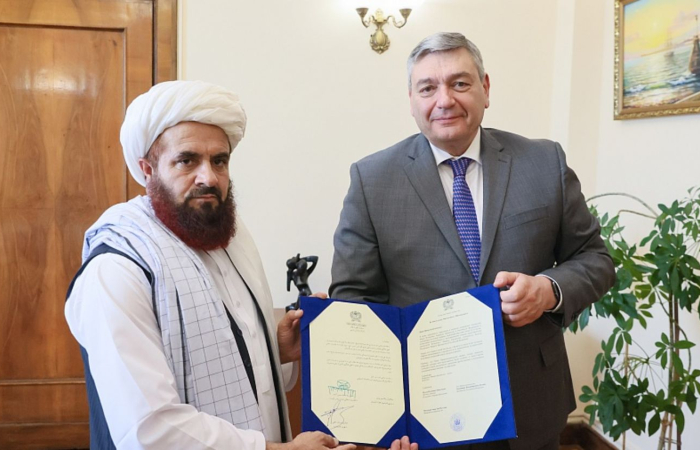
On Thursday (3 July), Russia formally recognised the Taliban government in Afghanistan by accepting credentials from its new ambassador, Gul Hassan Hassan. In April, Russia removed the Taliban from its list of terrorist organisations. On Thursday, the Russian Foreign Ministry welcomed this decision, stating that diplomatic ties would promote "productive bilateral cooperation" in areas such as trade, energy, transport, agriculture, and security. Afghanistan’s foreign minister, Amir Khan Muttaqi, welcomed Russia’s move, calling it 'historic' and expressing hope that other countries would follow suit. This reflects the Taliban's growing efforts to gain international legitimacy since seizing power in August 2021 following the US withdrawal from the country.
Editor's choice
News
EU Foreign Policy Chief Kaja Kallas ends visit to Yerevan aimed at strengthening partnership with Armenia

EU Foreign Policy Chief Kaja Kallas ends visit to Yerevan aimed at strengthening partnership with Armenia

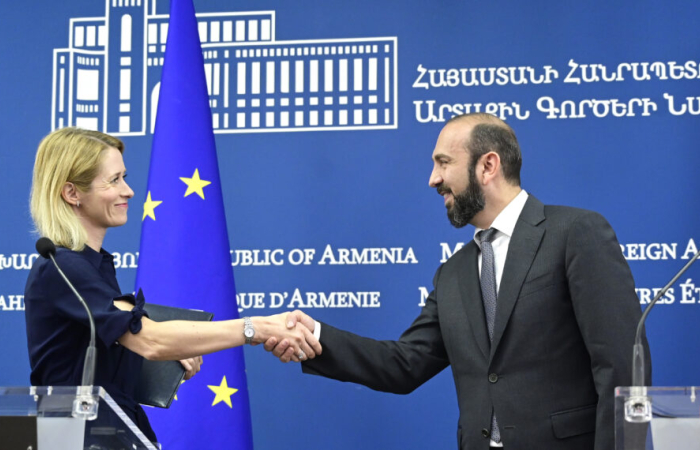
EU High Representative for Foreign Affairs and Security Policy Kaja Kallas has ended her official visit to Armenia after signing a partnership agreement with authorities in Yerevan. Following talks with Armenian Foreign Minister Ararat Mirzoyan, a joint press conference was held in which the media was briefed about an agreement outlining Armenia’s participation in the European Union’s Common Security and Defence Policy crisis management operations. According to Kallas, the document envisions Armenia’s participation in EU missions around the world.