Theme

Geostrategic Europe

Stories related to European foreign policy and Europe as a global power.

Editor's choice
Opinion
Opinion: A sustainable peace requires consistent long-term European involvement

Opinion: A sustainable peace requires consistent long-term European involvement

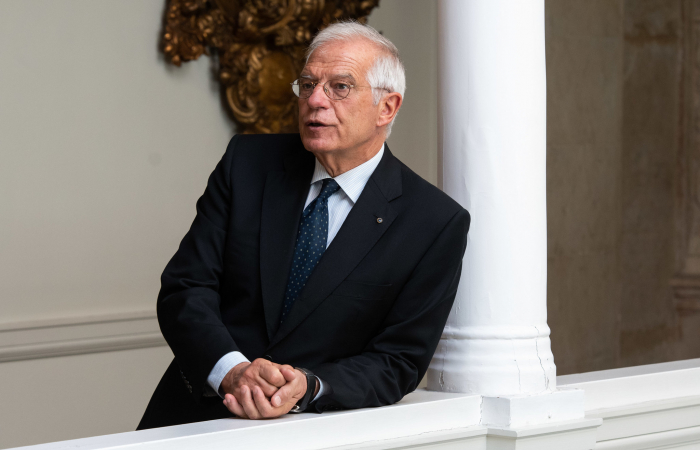
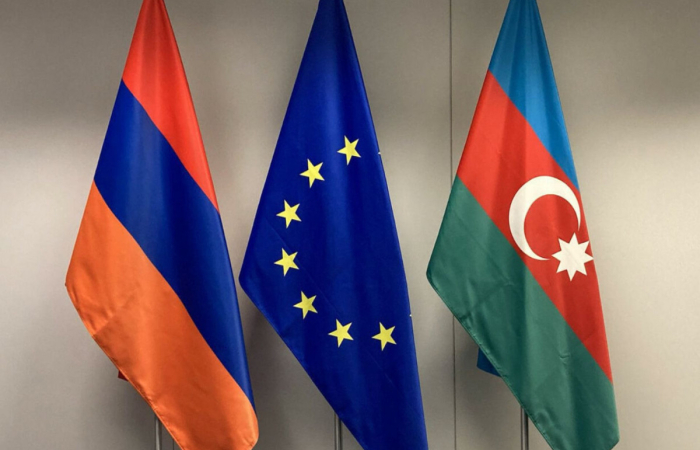
There is no denying that the EU, especially key member states acting in support, helped bring Baku and Yerevan closer to the Washington Declaration of August 8, 2025. But a declaration is not a treaty. Turning principles into a peace deal and eventually to a sustainable peace requires consistent long-term European involvement, writes Yalchin Mammadov in this-op-ed for commonspace.eu Before facilitating trust between Armenia and Azerbaijan, the EU is first expected to address its own credibility gap with Baku. A more balanced approach—such as including Azerbaijan, alongside Armenia, in the European Peace Facility—could be a useful first step. Diplomats can negotiate peace; societies must build peace. In this context, the EU can do what it does the best: long-term societal engagement. By expanding youth and academic exchange programmes, investing in cross-border civil society initiatives, and fostering people-to-people cooperation, Brussels can help shape a new generation equipped to sustain peace beyond political cycles. Such tools are slow and unglamorous, but if ignored, even the strongest treaty risks collapse. And obviously, these aspects require two-way engagement and genuine willingness by both governments to facilitate contact. If Brussels wants to remain influential, it needs to replace outdated one-size-fits-all policies with ambitious, interest-driven and differentiated approaches. Without a clear regional strategy, which appears to be the current situation, the South Caucasus will continue to sit at the margins of Europe’s security architecture—leaving space for other powers to take the lead. (You can read the op-ed in full by clicking the image.)

Editor's choice
Opinion
From Baku to Yerevan: A New Chapter for Multitrack Diplomacy

From Baku to Yerevan: A New Chapter for Multitrack Diplomacy

Towards the end of October, a lone Azerbaijani Airlines Gulfstream G650 landed in Yerevan, Armenia. It wasn’t the first to do so in over three decades of conflict but it could well change the future of multitrack diplomacy. Although mutual visits by Azerbaijanis to Armenia and Armenians to Azerbaijan are also not new, before October's flight they always occurred under the auspices of an international organisation or intergovernmental body including countries outside the region. Last month’s visit not only flew direct between the capitals but was bilaterally agreed.

Filter archive

Publication date
Editor's choice
Opinion
Opinion: For the EU strategic autonomy is as yet only an aspiration, but one worth pursuing

Opinion: For the EU strategic autonomy is as yet only an aspiration, but one worth pursuing

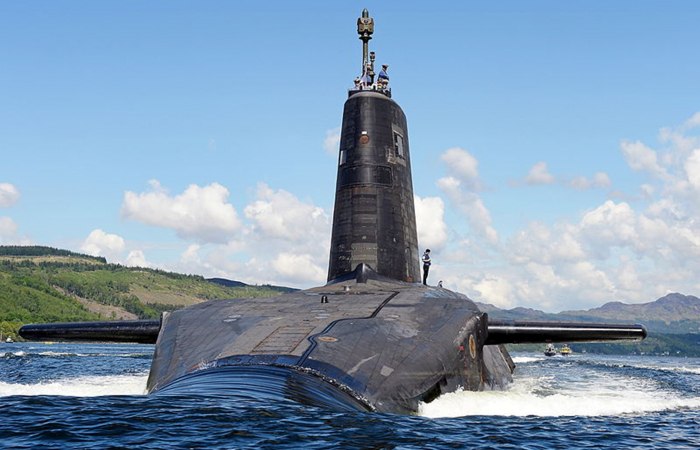
The establishment of AUKUS, and subsequent submarine dispute, has exposed once more the EU's strategic vulnerability. At present the EU has no common foreign policy and no European armed forces capability, and strategic autonomy remains an illusion. But it is not a wrong goal to pursue, argues Maximiliaan van Lange in this op-ed.
Editor's choice
Editorial
Commentary: The West needs more than a charm offensive if it wants to maintain its relevance in the GCC space

Commentary: The West needs more than a charm offensive if it wants to maintain its relevance in the GCC space

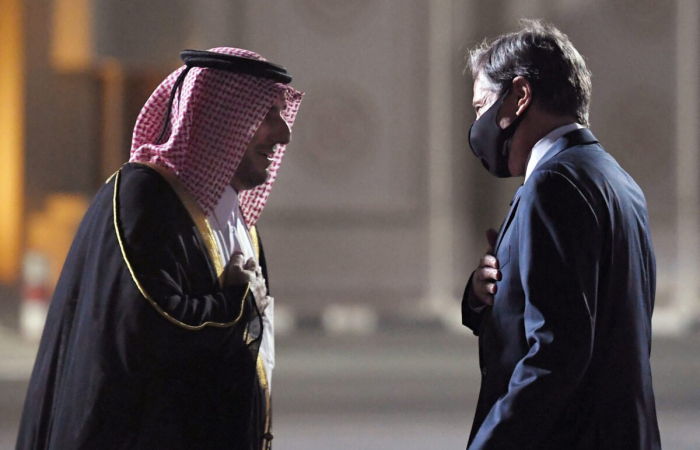
Throughout the oil boom in the last quarter of the 20th century and since, the GCC countries were seen in the United States, Britain, France and elsewhere in Europe through the prism of being major oil exporters and arms importers. Western countries and the Arab Gulf monarchies need each other. But for their friendship to last it needs to be rebuilt on a different basis than has been the case so far.
Editor's choice
Opinion
Opinion: An alternative view of Georgia’s European identity and past history

Opinion: An alternative view of Georgia’s European identity and past history

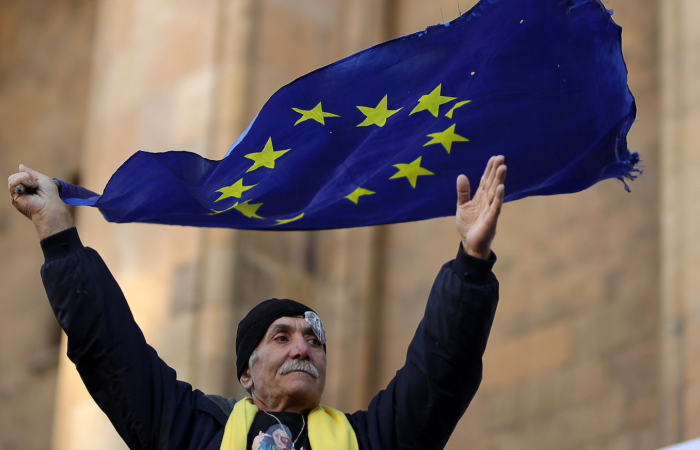
Georgia intends to submit an application for membership of the European Union in 2024. Whilst most Georgians assert the country’s European identity, alternative views are emerging. In this op-ed, GIPA doctoral student Archil Sikharulidze challenges the concept of Georgian “Europeaness”, and those who promote it.
Editor's choice
News
European Defence Ministers meet to discuss Afghanistan and how to respond to future crisis

European Defence Ministers meet to discuss Afghanistan and how to respond to future crisis

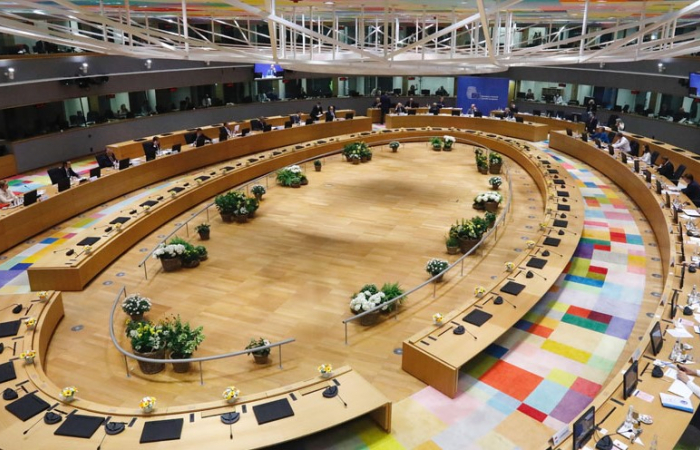
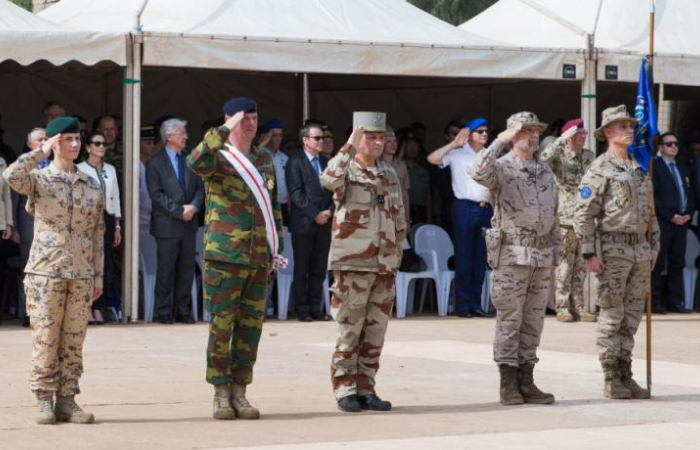
It seems that the crisis in Afghanistan has focused minds in Brussels. On Thursday (2 September) EU defence ministers are meeting to discuss the crisis and how to learn lessons from it. Hovering at the top of the agenda is the EU's own capacity - or more precisely lack of capacity -  to act in these and similar situations. But the meeting is "informal" and no decisions are expected until later in the year.
Editor's choice
Commentary
Commentary:  State-building cannot be imposed from outside; the EU and others must learn lessons from Afghanistan

Commentary: State-building cannot be imposed from outside; the EU and others must learn lessons from Afghanistan

A state cannot be built from outside, with a foreign army standing on top of it to supervise the process, argues Dennis Sammut in this commentary. As the EU expands its global ambitions, it must be aware of the risks of "mission creep" and make sure the mistakes in Afghanistan are not repeated.
Editor's choice
Opinion
Opinion: Azerbaijan expects the EU to be more balanced in its policies toward the South Caucasus

Opinion: Azerbaijan expects the EU to be more balanced in its policies toward the South Caucasus

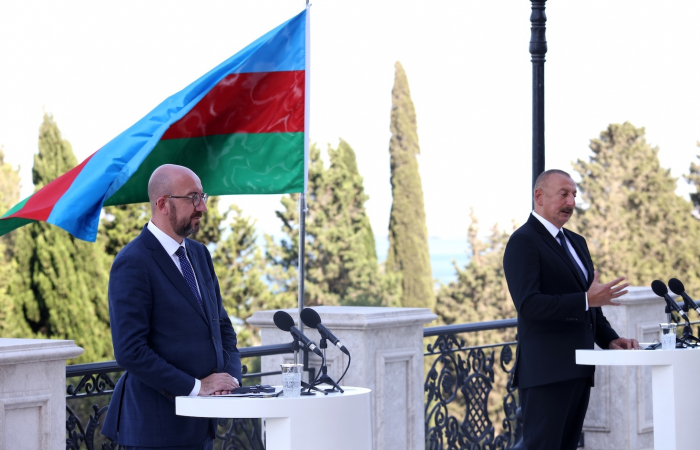
Whilst the EU is seen as a valuable partner for Azerbaijan and the South Caucasus, Baku has several concerns over perceived inconsistencies. In this op-ed for commonspace.eu, Vasif Huseynov says Azerbaijan welcomes Brussels playing a more active role in the region but argues that it must maintain balance in its relations with each of the countries.
Editor's choice
Commentary
Commentary: The EU reinforces its position in the South Caucasus before the upcoming EaP Summit

Commentary: The EU reinforces its position in the South Caucasus before the upcoming EaP Summit

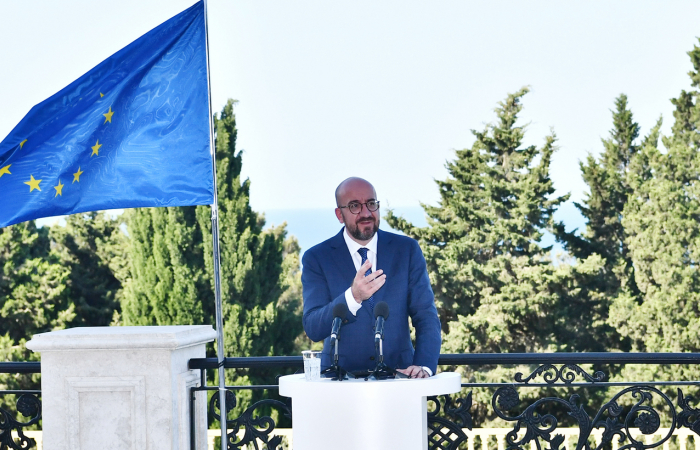
In preparation for its Eastern Partnership Summit (EaP) in December, and after drastic regional shifts, the EU is trying hard to improve its position in the South Caucasus. In this commentary for commonspace.eu, Mahammad Mammadov unpacks the EU's strategy in Georgia, Azerbaijan and Armenia, looking at what can be gleaned from its recent high-profile visits to the region and billions in newly declared financial assistance.