Editor's choice
This is a members’ functionality. Please
Sign upNews
Trending
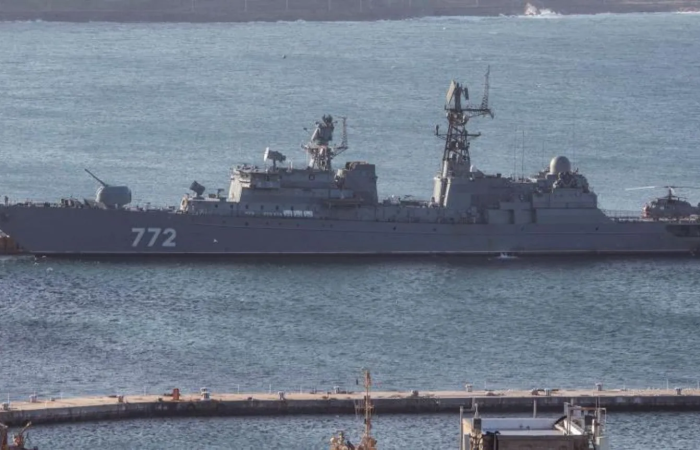
Russian warship "greets" Andy Burnham's premiership with live fire in the English Channel
21 July 2026
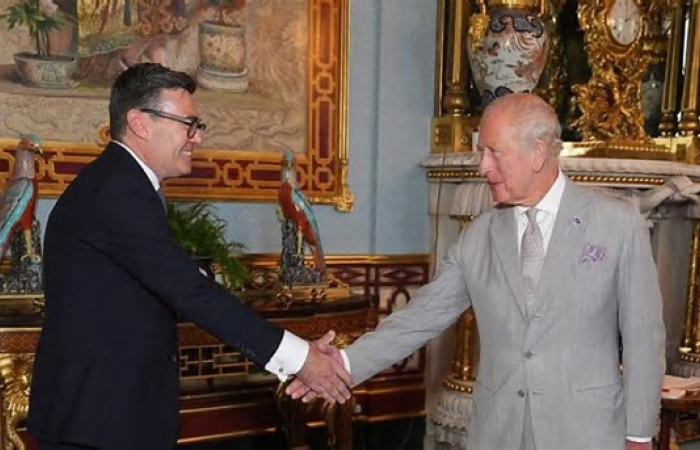
A Russian warship, shadowed by a Royal Navy vessel, carried out a live-fire artillery exercise just 46 miles (74km) south of Plymouth on Monday, as Andy Burnham was taking office as the new British prime minister.
The Royal Navy monitored the exercise and is tracking "the vessel's activity closely", a UK Ministry of Defence spokesperson said.
The BBC has been told that, prior to opening fire, Russian frigate Neustrashimy (English: Dauntless) had informed the Royal Navy Offshore Patrol Vessel, HMS Tyne, of its intention to conduct gunnery activity.
Newly appointed Defence Secretary Wes Streeting called the exercise "performative and irresponsible". The Kremlin has signalled there was no link between the exercise and Andy Burnham taking office as prime minister.
"All [military] exercises and all actions undertaken by our warships are carried out in strict compliance with international and maritime law," Kremlin spokesman Dmitry Peskov told BBC News.
"Therefore, there is no need to see any signals in this," he said.
However, Peskov added that Burnham had sent signals to Russia, saying: "One of the first things the new British prime minister did as he took office was to declare his unconditional support for Ukraine and, accordingly, declare the UK's intention to continue doing everything it possibly can to continue the war."