Editor's choice
This is a members’ functionality. Please
Sign upEvent
Trending
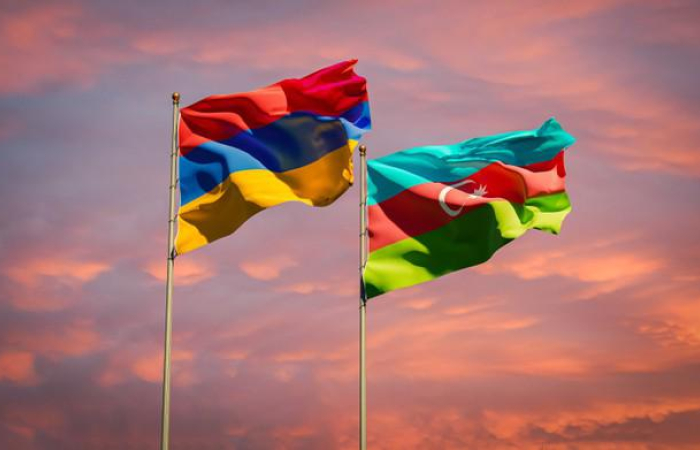
The members of the Armenia-Azerbaijan Strategic Expert Platform issue statement outlining next steps
30 September 2026
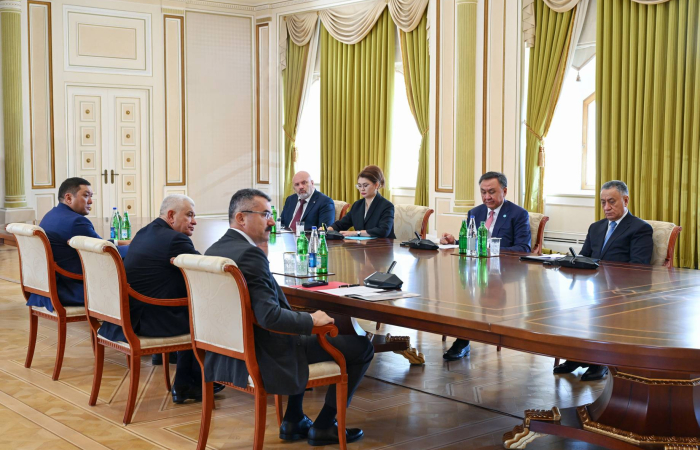
Members of the Armenia-Azerbaijan Strategic Expert Platform, met on line on 30 September 2026. This was their first meeting since they met in person in Brussels and Antwerp, Belgium, on 27 February 2026.
The Armenia-Azerbaijan Strategic Expert Platform was set up in 2024, with the help of LINKS Europe, to provide a continuous space where Armenian and Azerbaijani experts can hold direct discussions and analysis, in compliment with wider processes involving governments, experts and civil society.
The current members of the platform, all of who serve in a personal capacity, attended the meeting:
from Armenia, Dr Stepan Grigorian, Dr Benyamin Poghosyan and Mr Johnny Melikyan;
and from Azerbaijan, Dr Anar Veliyev, Mr Mehman Aliyev and Mr Ramazan Samadov. Mr Murad Muradov also attended the meeting as a guest.
A team from LINKS Europe also attended the meeting, including: Dr Dennis Sammut, Director, George Simonishvili, Deputy Director, Maximiliaan van Lange, Counsellor and Santiago Ferbel-Alazcarte, Senior Editor.
(1) The members of the Strategic Platform welcomed progress that has been made in Armenia-Azerbaijan relations since their last meeting in February, and particularly tangible actions increasing economic interaction between the two countries.
(2) The members of the Strategic Platform remain committed to long term peace between Armenia and Azerbaijan, but are also aware that the peace process remains fragile and incomplete. The members of the platform encourage all stakeholders to remain positive and engaged, and to refrain from actions or statements that may harm the process.
(3) The members of the Platform continue to support all civil society initiatives that contribute towards peace in the region
(4) The members of the Strategic Platform heard reports about the 3rd South Caucasus Regional Dialogue Forum, and welcomed the convening of the first session of the 3rd Forum on line on 6 November 2026. The members of the Strategic Platform welcome plans to convene the second session in person soon after. They also welcome the commitment of the organisers to ensure that participants from Armenia, Azerbaijan and Georgia are able to participate in these meetings.
(5) The members of the Strategic Platform urge the international community to remain committed to the peace process between Armenia and Azerbaijan, and urge all stakeholders, in particular the European Union, to intensify their support in a more focused and targeted manner. We urge more support for track 2 and track1.5 initiatives that are more important than ever.
(6) The members of the Strategic Platform wish to once more thank LINKS Europe for its consistent and valuable work in support of regional peace, despite obstacles and adversity. Members of the Strategic Platform remain committed to continue their work going forward.