The war nobody wanted, but that may end up harming everybody
The war of the United States and Israel against Iran has entered its third week. Not a very long time, some would say, but enough already to have changed the Middle East, not in any good way. As the BBC veteran Security Correspondent, Frank Gardner, put it, the war has put a shadow over the whole region.
Nobody, except for Benjamin Netanyahu, wanted this war, not even Donald Trump. The war, unless it is stopped quickly, may end up harming everybody.
The way out is clear: De-escalate, negotiate, and rebuild. But as of today, the prospect for that appears distant.
The Gulf countries caught in the middle
The six GCC countries – Saudi Arabia, Qatar, United Arab Emirates (UAE), Bahrain, Kuwait, and Oman have been caught in the middle. Up to a point. They all house US bases, and the relationship of most of them with the Shia Islamic regime that has ruled Iran since 1979 has never been easy. They supported Saddam Hussein’s Iraq in its long war with Iran in the 1980s; they hoped that their friendship and military arrangements with the US would deter Iran, which it probably did. But they wanted to avoid a full war. Oman and Qatar mediated between Iran and the US until the last moment. The GCC countries were vulnerable, and the last 17 days have shown their vulnerability starkly. Even if there is a quick ceasefire, and this is far from certain, the image that they have nurtured, with great effort and at huge expense, over the last decade has been shattered.
Iran
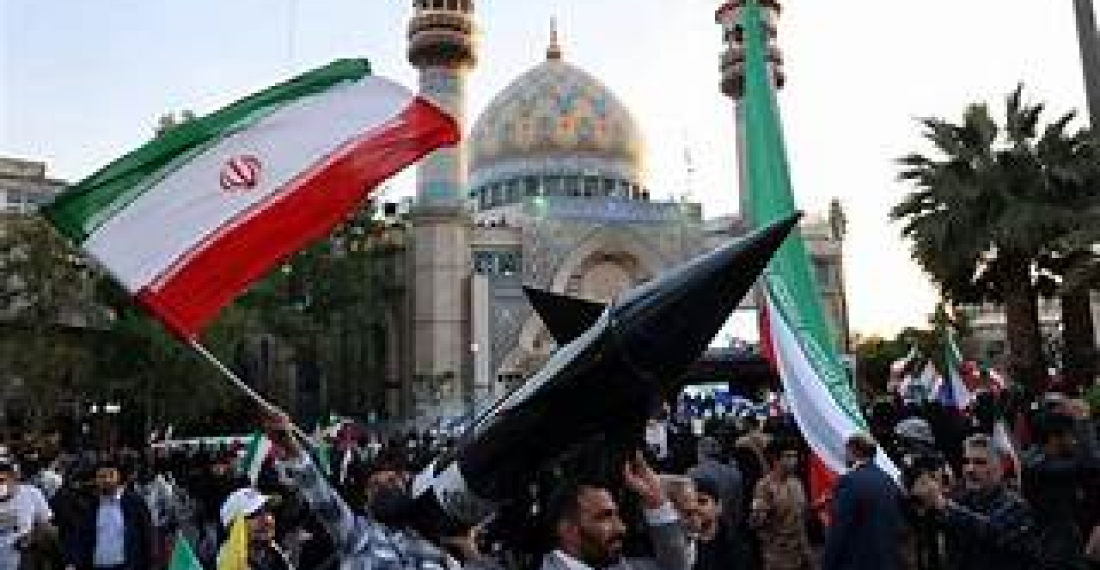
Iran has been subjected to the heaviest aerial bombardment in history. Its leadership has been killed. Yet it has, so far, shown remarkable resilience. The Islamic Republic endures because it is a homegrown system that has been under siege for forty-five years. It has dug in and prepared for this day. In Iran, there are those who consider the regime of the mullahs as despicable. But across the country and its ninety million population, the regime reflects society, and many Iranians see the war with the US and Israel as a confrontation with the devil. Those in Washington trying to understand Iran from their own narrow Western logic are confused and keep waiting for the regime to collapse. When it does not happen, they are disappointed.
The United States
Donald Trump did not want this war. He was persuaded that it was possible, by a fast, strong, and sharp operation, to bring about regime change. What we have seen unfolding before our eyes, and it continues, is mission creep on a scale not seen before. There is a chance this war will break Trump, but we are not there yet.
Israel
This is the first time Israel and the US are waging war together. The short and long-term implications of this have yet to be fully understood. Netanyahu can justifiably be proud that he was able to persuade Trump to join the attack on Iran. But Israel cannot economically sustain a full war for long. The next time Netanyahu meets Trump, he will not be asking for bombs, but for money. He may find Donald Trump less obliging.
Everyone else
Where does that leave everyone else? Not in a good place. Europe has once more been sidelined, left to pick up the pieces from the disruption in energy. There are some short-term gains for Russia, but in the end, they will be negatively impacted too. China has, by and large, kept cool and aloof. It has six months of oil and gas reserves, which insulate it from an immediate crisis. But a prolonged crises will impact China too.
De-escalate! Negotiate! Rebuild!
The only way out of the present crises is first through de-escalation. A ceasefire may not be possible for weeks, but using diplomatic back channels, the US and Iran may agree to de-escalate, or to put it more crudely, stop shooting.
It will be up to Trump to ensure that Netanyahu stops shooting, too.
Once de-escalation happens, the difficult process of negotiations can start again, focusing on the nuclear file and picking up from where discussions were left on 27 February.
This is an agreement within reach – a non-nuclear Iran in return for the lifting of sanctions. Other possibilities are possible, and once a ceasefire is agreed, the EU and China can also be involved in the discussions.
Finally, a process of rebuilding must start. The GCC have the money to do the reconstruction of infrastructure quickly. Reputational damage to their Shangri-La image will take longer.
Rebuilding Iran will be more challenging, given the scale of the destruction, and will require more money than Tehran has. Even as the bombs continue to fall, this issue needs to be considered.
In the end, no one really wanted this war, and no one is going to benefit from it. It must be brought to an end as soon as possible, but the thinking of what happens after must start now.
source: Monday Commentary is written weekly for commonspace.eu by Dr Dennis Sammut, Director of LINKS Europe and Managing Editor of commonspace.eu