Making peace between Armenia and Azerbaijan was never going to be simple, nor easy, nor quick. It is taking time, writes Dennis Sammut in this Monday Commentary. “There is a sense of realism coming from the leaders of the two countries – president Ilham Aliyev of Azerbaijan and prime minister Nikol Pashinyan of Armenia, that frankly, is necessary and welcome”, he writes.
At a time when conflicts are raging all over the world – from Ukraine to the Gulf, from Africa to South Asia, the prospect that Armenia and Azerbaijan had finally, after decades of conflict that left thousands of dead and many more displaced, decided on embarking on a journey of peace was welcomed. There were the photo moments, not least in the White House on 8 August 2025, when president Donald Trump basked in his new role as peacemaker.
But making peace between Armenia and Azerbaijan was never going to be simple, nor easy, nor quick. It is taking time.
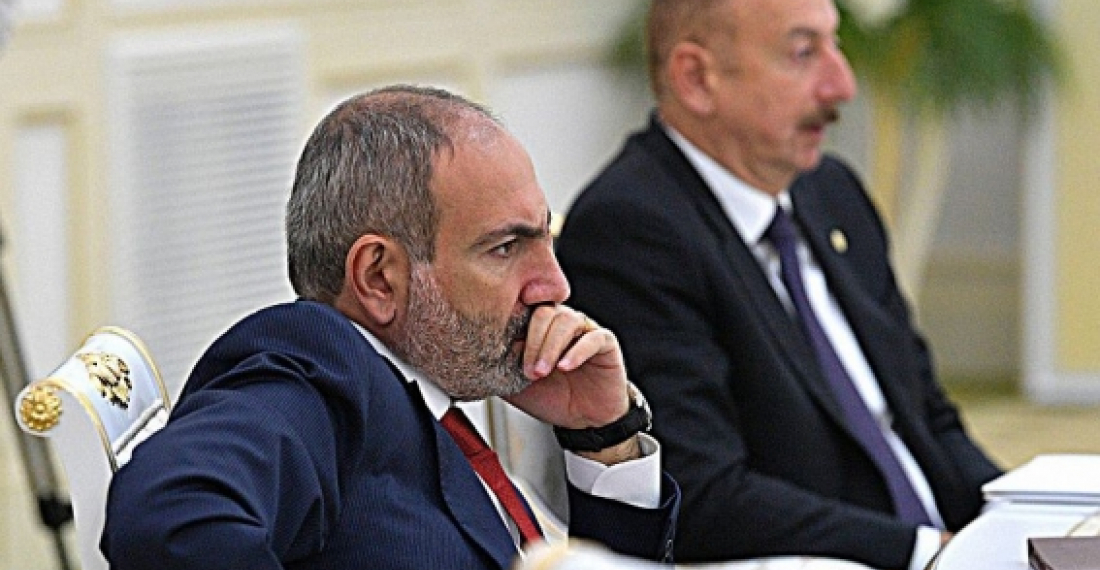
There is a sense of realism coming from the leaders of the two countries – president Ilham Aliyev of Azerbaijan and prime minister Nikol Pashinyan of Armenia, that frankly, is necessary and welcome.
On 15 October, speaking at the summit of the Conference on Confidence-building measures in Asia (CIGA), president Ilham Aliyev, after giving his own rendition of how Azerbaijan resolved its war with Armenia, made a stark admission: “peace is still fragile”, he said, “and it needs to be protected and consolidated”.
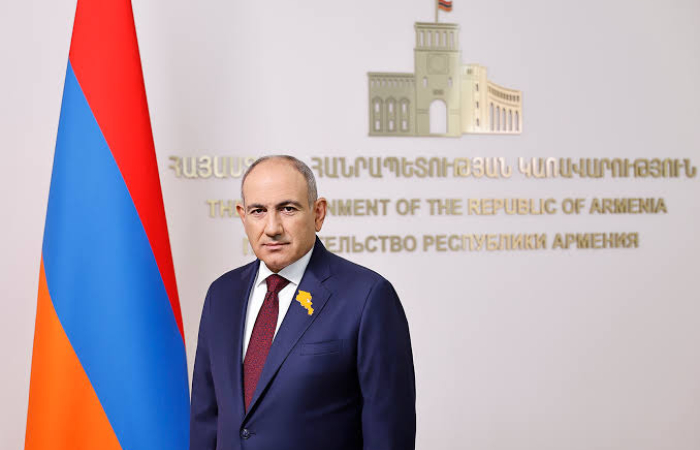
A day later, Armenian prime minister Nikol Pashinyan, said that he wanted Armenia to sign and ratify a peace treaty with Azerbaijan “before 2031”, that is a full five years hence. He described the objective as the top priority for his administration.
Earlier, the Armenian prime minister also spoke about a possible land-swap with Azerbaijan
Armenia and Azerbaijan should agree to establish a clear, conventional border without enclaves or exclaves, Prime Minister Nikol Pashinyan said. Armenia controls three Azeri enclaves inside its borders while Baku controls one Armenian enclave – those could be subject to a land swap, Pashinyan announced.
Both statements confirm that the leaders of both sides recognise the challenges that they face as they pursue the peace agenda.
Nikol Pashinyan’s swept to power in the “velvet revolution” of 2018. Armenian politics was bankrupt and Pashinyan saw his moment and pushed out the old regime. That was the easy part. Managing the country, especially when most institutions are against you is not easy. Pashinyan was also in charge when Armenia lost its war with Azerbaijan in 2021 – although most Armenians are clever enough to understand that this was hardly his fault . Many expected him to be swept away soon after. He survived, but also became the biggest advocate for a peaceful resolution to the conflict with Azerbaijan.
Aliyev’s trajectory was very different. He came to power in 2003 taking over from his father. Liberating Karabakh was the national cause, even obsession, and Aliyev led the process. Cautiously at first, but increasingly assertive, until in 2021 he felt that the time had come, and he gave the go ahead for the fighting to start, and importantly, did not give the go ahead for the fighting to stop, especially when the Russians insisted. Azerbaijan’s victory was complete.
The squeeze of Karabakh itself took another few months, but the dye was cast. In the end the entire Armenian population of Karabakh uprooted and departed, forced by circumstances. Pashinyan had no stomach to fight over Karabakh; the Karabakh leadership ended up in an Azerbaijani jail; Pashinyan is often criticised for not doing enough for their release. Under the gaze of Donald Trump Pashinyan and Aliyev agreed to end decades of conflict, and to make peace. They have taken some tangible steps, and can be said to have been courageous. But both know that they are not there yet.
Peace between Armenia and Azerbaijan can be top-down up to a point.
Both leaders have spent political capital preparing for a peace deal. But both are aware that their people are not ready for peace yet. In fact in Armenia, most of the elite are negative to a peace deal with Azerbaijan. Pashinyan needs time to persuade his country folk. That is why 2031 is realistic.
Ilham Aliyev runs a tighter shop, but he is also not immune to public opinion. Every time someone hits a landmine in Karabakh, which unfortunately happens often, peace comes under question. Which is why Aliyev chooses to sound hardline, more often than not.
In pursuing the peace agenda, both Aliyev and Pashinyan need to proceed cautiously. But they are right in making peace the central issue in their agenda. It is the main issue, and the one that will define them in history.
So forward, cautiously but resolutely!
In pursuing the peace agenda Aliyev and Pashinyan need to be supported clearly and unambiguously. There are too many people in Baku and Yerevan who are sitting on the sides, waiting. The international community is not doing enough. It is time to be counted. Otherwise the spoilers will win, and the region will go back to its bad habits.
source: Dr Dennis Sammut is the Director of LINKS Europe and Managing Editor of commonspace.eu