COP 31 Update
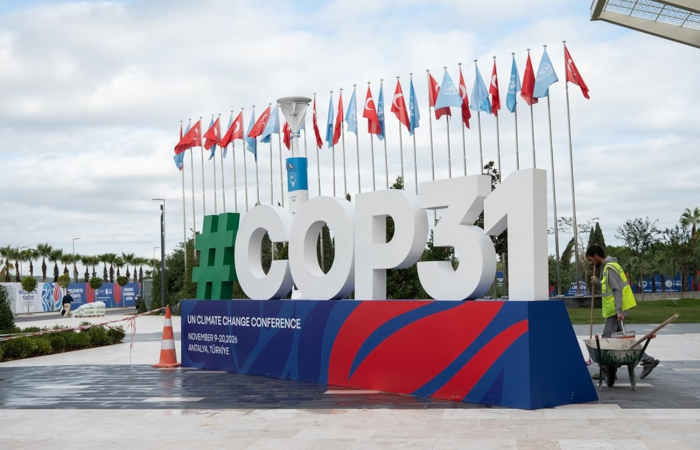
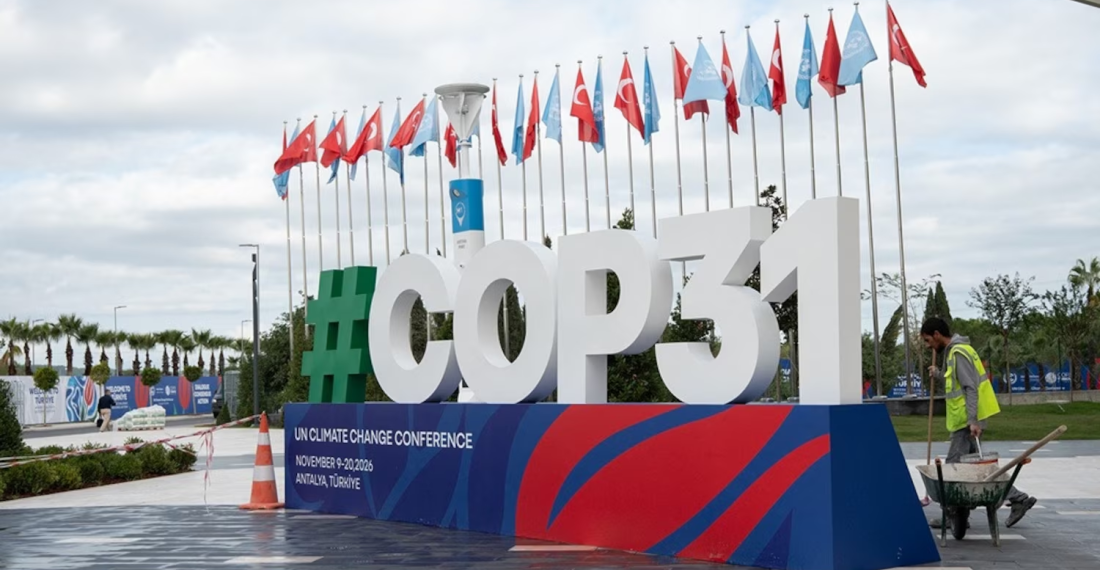
The 31st United Nations Climate Change Conference (COP31) will take place from 9 to 20 November in Antalya, Türkiye. Under the Turkish presidency, the summit will focus particularly on electrifying the global economy, while due to an agreement reached between the two countries over hosting arrangements, the formal negotiations will be overseen by Australia.
Türkiye’s Environment Minister and COP31 President, Murat Kurum, has described the conference as an “implementation COP”, arguing that decisions must translate into tangible results on the ground. A central initiative seeks to increase electricity’s share of global energy consumption from approximately 20% today to 35% by 2035. According to Kurum, electrification would both reduce emissions and protect communities from fluctuations in global energy markets. The European Union, however, has called for the initiative to prioritise clean electrification, raising questions about the potential role of fossil fuels in the transition. Ultimately, according to UN climate chief Simon Stiell, this year’s summit takes place in a rather favourable international environment, with many economies increasingly recognise climate action as a driver of economic growth, employment and energy security.
The summit takes place against an increasingly alarming climate backdrop. Global temperatures have exceeded the 1.5°C threshold above pre-industrial levels set as an objective under the 2015 Paris Agreement. The consequences of global warming are already evident in deadly heatwaves, prolonged droughts and devastating floods. The prospect of a powerful El Niño event has further heightened concerns.
Climate finance is expected to be another major issue during the negotiations. Developing countries are calling for additional resources to fund adaptation measures and address the losses and damage caused by extreme weather events. Adão Soares Barbosa, chair of the Least Developed Countries negotiating group, representing 44 nations, stressed that access to predictable climate finance and the protection of vulnerable populations were matters of “survival”. Chris Bowen, Australia’s Climate and Energy Minister and president of the negotiations, also highlighted that only 0.2% of available global climate finance reaches small island developing states for adaptation.
Despite these ambitions, significant political obstacles remain. Countries continue to disagree over responsibility for financing the transition and the pace of emissions reductions, while a stronger commitment to phasing out fossil fuels appears unlikely. The absence of a US delegation for the second consecutive year also presents a challenge to international climate cooperation.
Source: Report compiled for commonspace.eu by Anna Szedlacsek with The Guardian (London), The United Nations (New York) and Hüriyet Daily News (Istanbul)