Editor's choice
This is a members’ functionality. Please
Sign upNews
Trending
Landmines present to the European Union both a contradiction and a dilemma
20 October 2026
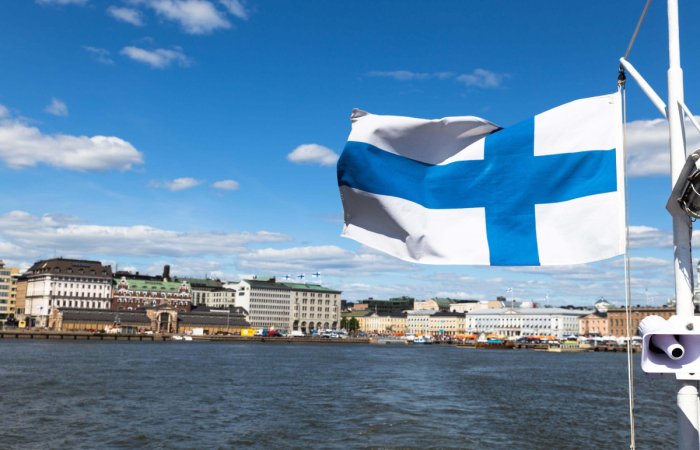
Finland’s decision to buy one million landmines creates a serious contradiction in the policy of the European Union, and is symbolic of a bigger dilemma facing European countries as they get used to the need to acquire “hard” power to face an increasing threat from Russia.
Finland is seeking to acquire one million anti-personnel mines at a cost of 100 million euros.
Finland, together with Poland, Latvia, Lithuania and Estonia last year abandoned the Ottawa agreement, the international framework that bans the use of anti-personnel mines, which the EU had been instrumental in establishing and supporting.
All five countries cite the threat from Moscow as the reason.
Colonel Riku Mikkonen of the Army Command told Finland’s national news agency STT that officials are now gathering information from suppliers regarding the deal, the AFP news agency reports.
Helsinki would like domestic manufacturers to supply the mines, with contracts signed by the end of 2027 and production up and running by 2028.
“It would be useful in many ways if Finnish companies produced the anti-personnel mines in Finland,” Mikkonen said. About half a dozen Finnish firms qualify, he told STT.
“However, at this stage, buying the mines from abroad is not totally ruled out,” he added.
LANDMINES PROVIDE THE EU WITH BOTH A CONTRADICTION, AND A DILEMMA
Eliminating landmine contamination worldwide is one of the EU’s main soft power postures, and it basks in its record as the biggest funder of anti-landmine action in the world. But the fact that 5 of its 27 member states have now left the Ottawa Treaty dents the EU moral high ground. It is a contradiction that is too big and important to be ignored.
It also presents the European Union with a deeper dilemma. The threat from Russia is changing what the EU has stood for decades, namely a force for good able to mobilise its considerable soft power for the greater good of humanity. How the Union will implement this change will define its future.
In the meantime landmines have not become any less lethal, benign, or unimportant. They remain in many parts of the world a major threat to life, an impediment to prosperity, and a potential trigger to further conflict.
The 22 EU members states that still adhere to the Ottawa treaty must regroup, and be more assertive in their quest against anti-personnel land mines. All the reasons why they supported the Ottawa treaty in the first place still exist. The message must be clear: NO TO LANDMINES!