Theme

Diplomacy

Editor's choice
Opinion
Opinion: With a foot in every camp, Armenia seeks to create a niche for itself through a diversified foreign policy

Opinion: With a foot in every camp, Armenia seeks to create a niche for itself through a diversified foreign policy

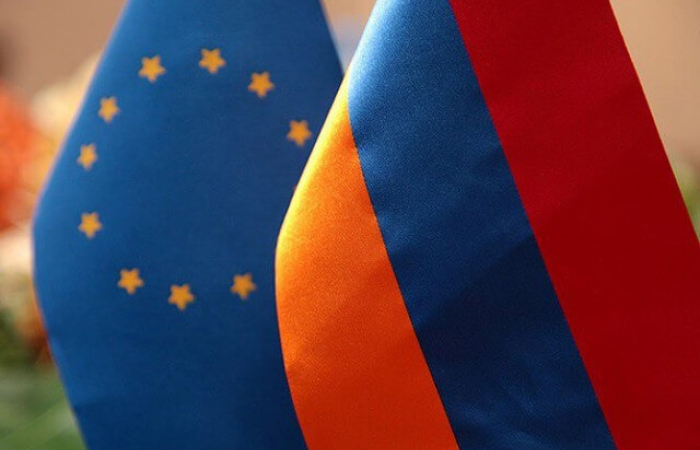
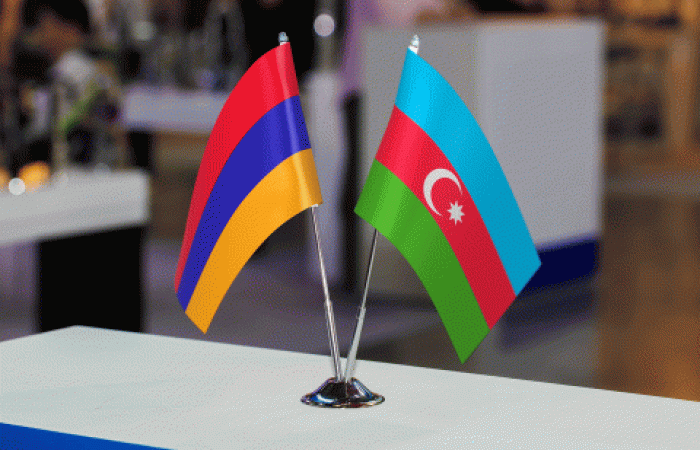
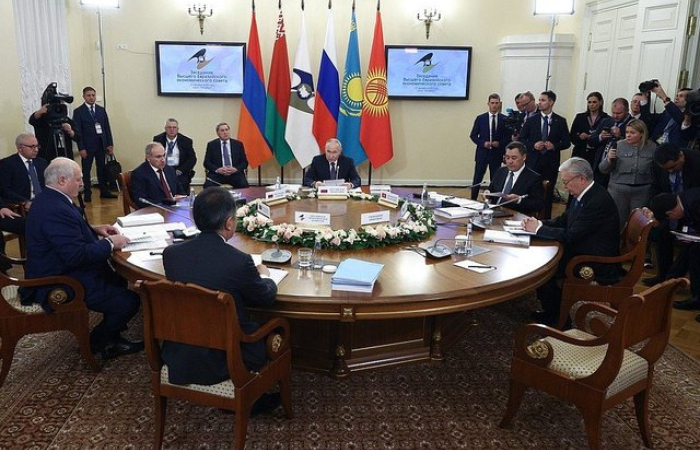
The days when Armenia was considered an outpost of Russia are long gone. Prime Minister Nikol Pashinyan has sought new relations with both the European Union and the United States. Relations with Brussels have peaked to new heights, with even talk of EU membership. And no lobbying by the powerful Armenian diaspora in the US could achieve that historical moment on 8 August in the White House, when Pashinyan and Azerbaijani president Aliyev, not only set the stage for peace between their two countries, but also opened the way for a new relationship with the United States. But Pashinyan has been able to do all this whilst at the same time keeping the relations with Russia warm. Armenia remains an active member of the Russia-led Eurasian Economic Union (EAEU). In December, Pashinyan participated in Eurasian Economic Union (EAEU) meetings in Moscow and St. Petersburg. Johnny Melikyan, Senior Research Fellow at the Orbeli Centre in Yerevan summed up the visit this way: The recent December 2025 visits of Armenian Prime Minister Nikol Pashinyan to Russia highlighted a practical and interest-based stage in Armenian–Russian relations. Rather than symbolism, the agenda was dominated by concrete issues of economic cooperation, connectivity, trade, and participation in Eurasian integration formats. You can read Johnny Melikyan's comment in full by clicking on the image
Filter archive

Publication date
Editor's choice
Opinion
Opinion: A Milestone of Neutrality: Turkmenistan in the International Year of Peace and Trust

Opinion: A Milestone of Neutrality: Turkmenistan in the International Year of Peace and Trust

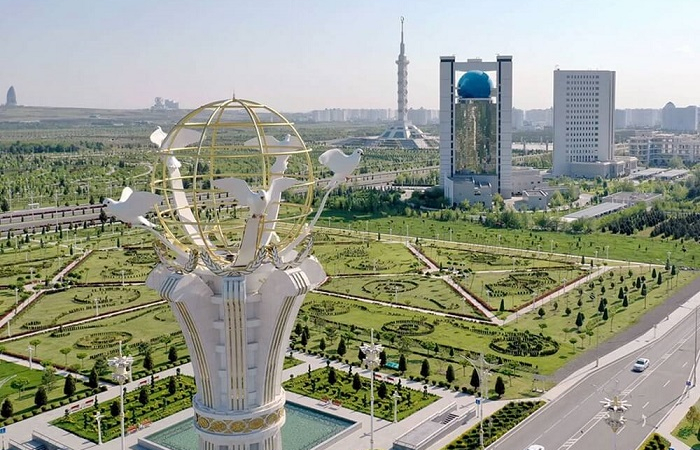
The year 2025 marks a pivotal moment for Turkmenistan as it commemorates three decades of its established status as a neutral state, coinciding with the International Year of Peace and Trust – a worldwide initiative championed by Turkmenistan itself. This dual celebration underscores the nation’s enduring influence in fostering international peace, development, and diplomatic harmony.
Editor's choice
News
Armenia starts long road towards joining the European Union

Armenia starts long road towards joining the European Union

Armenia's government has approved legislation calling for the country to launch the process that will open the path to discussions with Brussels for eventual membership in the European Union. A bill was drafted in response to a petition that called for the country to submit an application to join the EU. Prime Minister Nikol Pashinyan emphasised to the cabinet on Thursday that the public should not expect a rapid accession to the EU, and that it would in any case require public approval. “Adopting the law doesn’t literally mean Armenia is joining the EU because that cannot be done through a law or government decision, the decision on that can only be made through a referendum,” Pashinyan said after the decision.
Editor's choice
Analysis
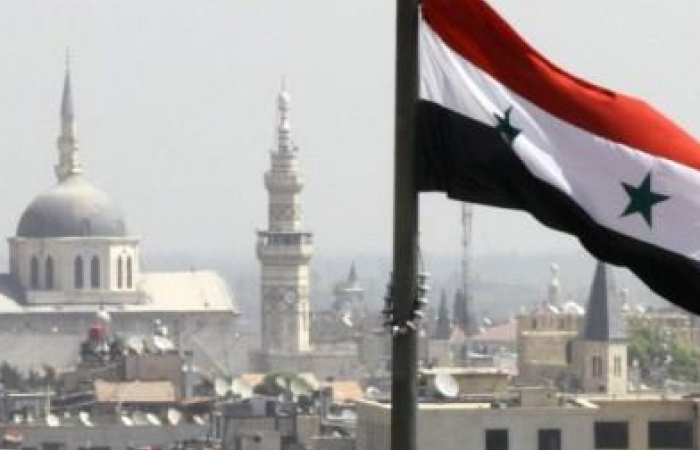
Analysis: New Syrian Government moves to end years of isolation by emphasising inclusivity

Analysis: New Syrian Government moves to end years of isolation by emphasising inclusivity

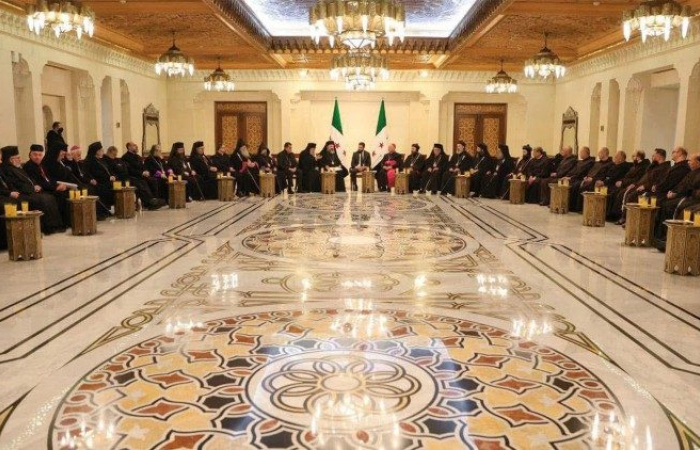
The new Syrian government may have come to power last month brandishing a jihadist label, but its leader Ahmad al-Sharaa, also known as Abu Mohammed al Jilani is determined to emphasise its inclusive approach particularly as regards the country’s large Christian population. The Baathist regime of al-Assad had for long instilled a fear within this community in case there is an Islamist victory. Moving to quash this fear, which had also been predominant in Western circles, Ahmed al Shara met on New Year's Eve with leaders from the Christian communities, to wish them a merry Christmas and a peaceful New Year and to assure them that the new Syria will be inclusive. Among those present were leaders from the Franciscan Friars of the Holy Land who under an old catholic tradition lead Christians across the Levant.
Editor's choice
Opinion
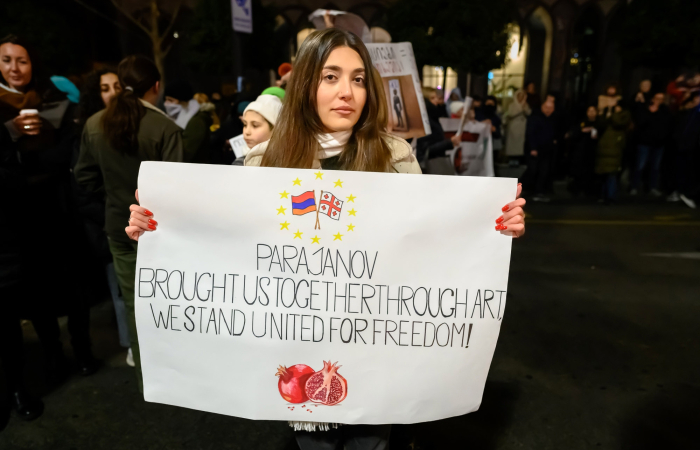
Opinion: Georgia’s political turmoil - a view from Baku

Opinion: Georgia’s political turmoil - a view from Baku

The ongoing protests in Georgia, which erupted one month after the parliamentary elections and triggered by the Georgian Dream government’s announcement to suspend the EU accession process, are sending ripples across the entire South Caucasus, and regional countries fear it could snowball into wider instability. For Baku, a stable Georgia has always been central to its regional strategy, serving as a reliable partner and a critical gateway to international markets. Consequently, for the  Azerbaijani leadership maintaining the status quo is critical to prevent chaos in a region that is already subject to strong volatility. At the same time, a Georgian government that would shift away from its Western partners may not necessarily be in Azerbaijan's long-term interest.
Editor's choice
Opinion
Opinion: Elections in Georgia Highlight Ethnic Minority Exclusion and Frustration

Opinion: Elections in Georgia Highlight Ethnic Minority Exclusion and Frustration

After the controversial victory of the ruling party in Georgia’s parliamentary elections on October 26, it initially appeared as though the opposition was in disarray. Many observers expected widespread protests and a dramatic confrontation between the two sides, but that did not materialise straight away. Instead, two days later, a solitary protest took place, drawing no more than 19,000 participants that appeared downtrodden and forlorn.
Editor's choice
News
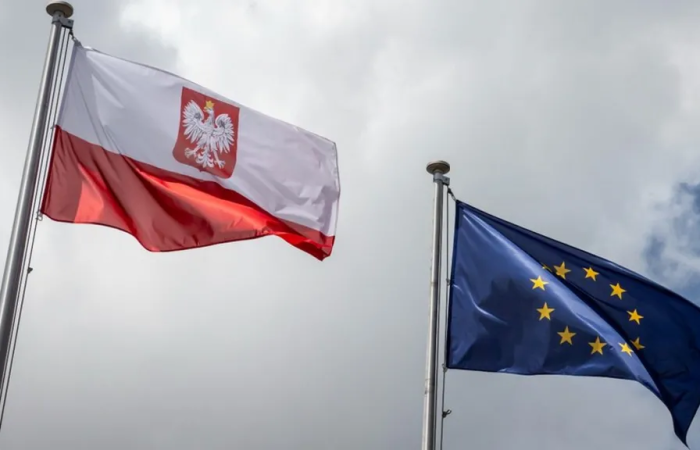
Poland takes over presidency of the European Union after a stormy six month Hungarian Presidency

Poland takes over presidency of the European Union after a stormy six month Hungarian Presidency

Poland on Wednesday(1 January) took over the Presidency of The European Union for a period of six months ending a stormy six month Hungarian presidency that often left the member states dismayed, frustrated and angry. Poland is ready to lead Europe towards security and economic competitiveness, Polish Prime Minister Donald Tusk said in Brussels just before Christmas. Coming after Hungary the Polish presidency is a symbol of change and great hope of the entire EU for a democratic and secure future of the continent.  Summing up the Polish ambitions prime minister Tusk said I would very much like Poles, to give faith to the whole of Europe that a Europe free from corruption, free from threats, confident in its own strengths, helping those who need help, but also thinking very pragmatically about its own interests is possible. The Hungarian presidency of the Council of the EU began with an unexpected visit by Prime Minister Victor Orban to Moscow and ended with, among other things, a declaration of Hungary's lack of support for the extension of sanctions against Russia.
Editor's choice
Analysis
Analysis: The future of Syria: a new battleground for influence

Analysis: The future of Syria: a new battleground for influence

On Sunday December 8th the long-ruling Syrian president Bashar al-Assad fled the country, ultimately giving up power to the Syrian rebel group Hayat Tahrir al-Sham (HTS). The day marked the end of the 61 years long authoritarian regime, started by Bashar’s father, Hafez al-Assad. The regime scared the Syrian population with regular instances of torture, mysterious disappearances and unlawful killings in cases of resistance against the ruler. Since the 2011 ‘Arab Spring’ protests that resulted in the rise of repression and a civil war, Syria’s economic and political landscape was completely ruined. Even though the long-awaited Assad’s fall is a time of celebration for many around the world, it is only the beginning of a long, demanding journey to rebuild the country from scratch.