Poland takes over presidency of the European Union after a stormy six month Hungarian Presidency

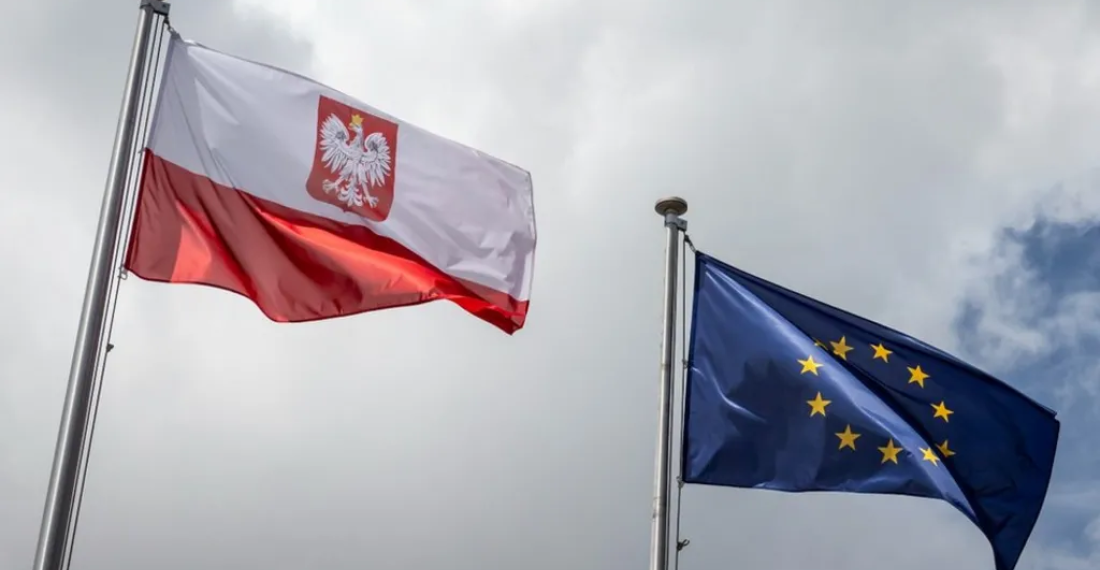
Poland on Wednesday(1 January) took over the Presidency of The European Union for a period of six months ending a stormy six-month Hungarian presidency that often left the member states dismayed, frustrated and angry.

Poland is ready to lead Europe towards security and economic competitiveness, Polish Prime Minister Donald Tusk said in Brussels just before Christmas. Coming after Hungary the Polish presidency is a symbol of change and great hope of the entire EU for a democratic and secure future of the continent. 

During his visit to Brussels Prime Minister Donald Tusk met with employees of the Permanent Representation of the Republic of Poland to the EU:

In 11 days you will take responsibility for the European Union on your shoulders. […] Here are 300 people in Poland and Europe who are best prepared to lead both our country and the entire European Union in these difficult times.

Our country is fully ready to unite the entire community in the face of contemporary challenges and lead it in the direction expected by the citizens of the Member States. More and more leaders understand that Europe must focus on its security, on competitiveness, on making life easier for ordinary people.

 Poland's task will include building the foundations for the real competitiveness of the European economy and a migration policy that is safe for Europe.

Summing up the Polish ambitions prime minister Tusk said

I would very much like Poles, to give faith to the whole of Europe that a Europe free from corruption, free from threats, confident in its own strengths, helping those who need help, but also thinking very pragmatically about its own interests is possible.

The Hungarian presidency of the Council of the EU began with an unexpected visit by Prime Minister Victor Orban to Moscow and ended with, among other things, a declaration of Hungary's lack of support for the extension of sanctions against Russia.

source: commonspace.eu with the press service of the prime minister of Poland
Related articles

Editor's choice
News
Situation in South Yemen strains relations between Saudi Arabia and UAE

Situation in South Yemen strains relations between Saudi Arabia and UAE

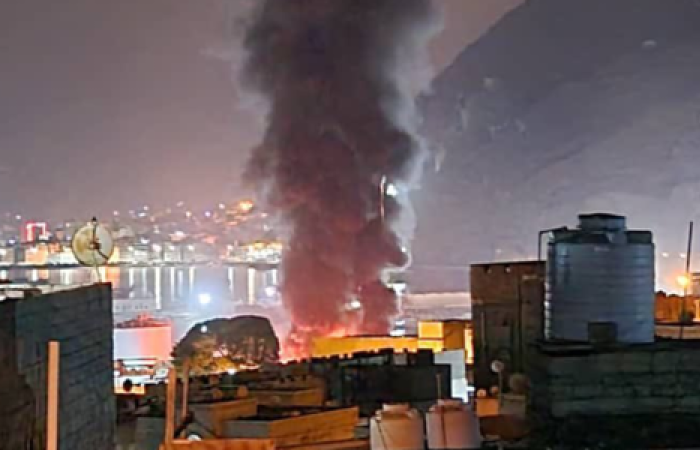
The relations between Saudi Arabia and the United Arab Emirates (UAE) are increasingly strained as a result of the different approach of the two countries towards Yemen. Whilst both countries were initially together in resisting the Houthi take over in Yemen, the UAE subsequently focused on the South of the country, backing the Southern Movement (STC), which seeks to restore the independence of South Yemen. South Yemen became an independent country in 1967, at the end of British rule, and only unified with the north in 1990. The Saudi-led “Coalition to Support Legitimacy in Yemen” on Tuesday, 30 December, said it conducted a “limited” airstrike targeting two ships “that smuggled weapons and other military hardware into Mukalla in southern Yemen”. The ships originated in the UAE port of Furjeirah. In a statement carried by the Saudi Press Agency (SPA), the Coalition Forces spokesman, Major General Turki Al-Maliki, said that two ships coming from the port of Fujairah in the United Arab Emirates entered the Port of Mukalla in Hadramaut without obtaining official permits from the Joint Forces Command of the Coalition. He stressed the Coalition's "continued commitment to de-escalation and enforcing calm in the governorates of Hadramawt and Al-Mahra, and to prevent any military support from any country to any Yemeni faction without coordination with the legitimate Yemeni government and the Coalition. The Southern Transitional Council (STC), launched a sweeping military campaign early in December, seizing the governorates of Hadramaut along the Saudi border and the eastern governorate of Al-Mahra in Yemen’s border with Oman. The UAE-backed STC forces captured the city of Seiyun, including its international airport and the presidential palace. They also took control of the strategic PetroMasila oilfields, which account for a massive portion of Yemen’s remaining oil wealth. (click the image to read the article in full).

Popular