


Europe is rattled by events in Venezuela, and there are serious concerns that US disregard for international law may have consequences close to home.
The BBC diplomatic correspondent, James Landale, said, the question is how Europe may respond in the longer term to America's military operation in Venezuela. Will it provide a catalyst for the continent to take greater responsibility for its own security in the face of so much instability from what many see as an unreliable ally?
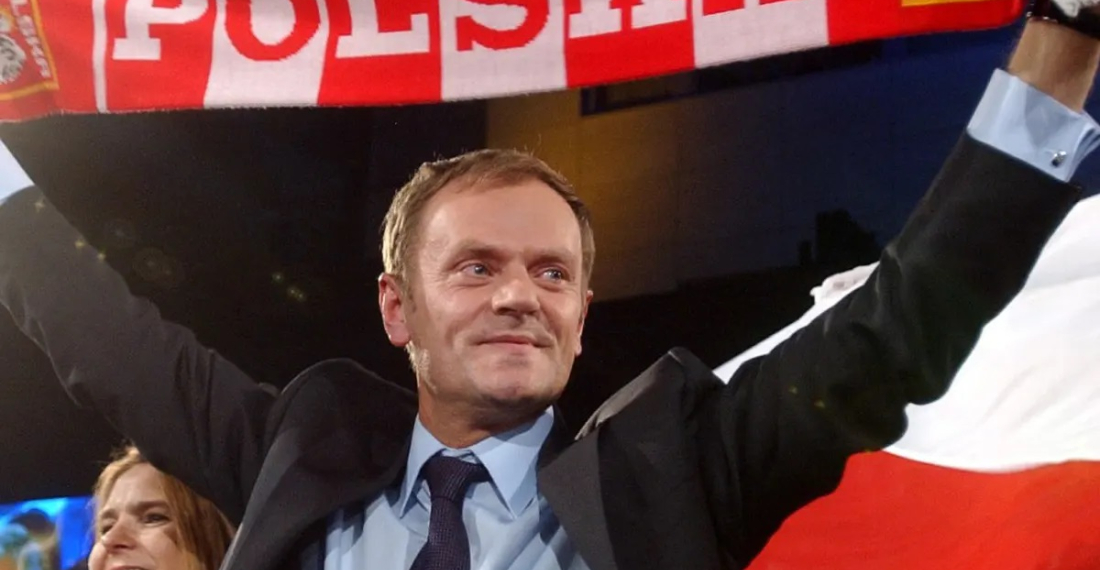
Polish prime minister, Donald Tusk, appears to have answered the question, saying on social media: "No-one will take seriously a weak and divided Europe: neither enemy nor ally. It is already clear now.
"We must finally believe in our own strength, we must continue to arm ourselves, we must stay united like never before. One for all, and all for one. Otherwise, we are finished."
The US seizing of Venezuela's leader has faced strong criticism from both America's friends and foes at an emergency meeting of the United Nations Security Council, held on Monday, 5 January.
Many member states agreed with the US that Nicolás Maduro had been an illegitimate and repressive leader.
But many also condemned the US military action as a breach of international law and the UN Charter, and they demanded a democratic transition that reflected the will of the Venezuelan people.
Among US allies, France was by far the most outspoken. The deputy ambassador, Jay Dharmadhikari, said Maduro's taking by the US runs "counter to the principle of peaceful dispute resolution and runs counter to the principle of the non-use of force".
He told the Council: "The proliferation of violations of the Charter of the UN and the violations of international law by states vested with responsibility as permanent members of Security Council chips away at the very foundation of the international order, contravening the principles of the charter, including the principle of respect for independence and territorial integrity of states, undermines the foundation of the UN and weakens international peace and security."
The deputy UN ambassador for Denmark, Sandra Jensen Landi, voiced her country's "deep concern" at the evolving situation and said: "These developments constitute a dangerous precedent. International law and the UN Charter… must be respected."
Both these statements – by France and Denmark - represent a significant stiffening of European criticism of the seizing of Maduro after some initial equivocation by many EU members. In contrast, both UK and Greek diplomats at the UN did not condemn the US military operation.
source: commonspace.eu, with BBC (London) and agencies
photo: Polish prime minister, Donald Tusk (archive picture)



