

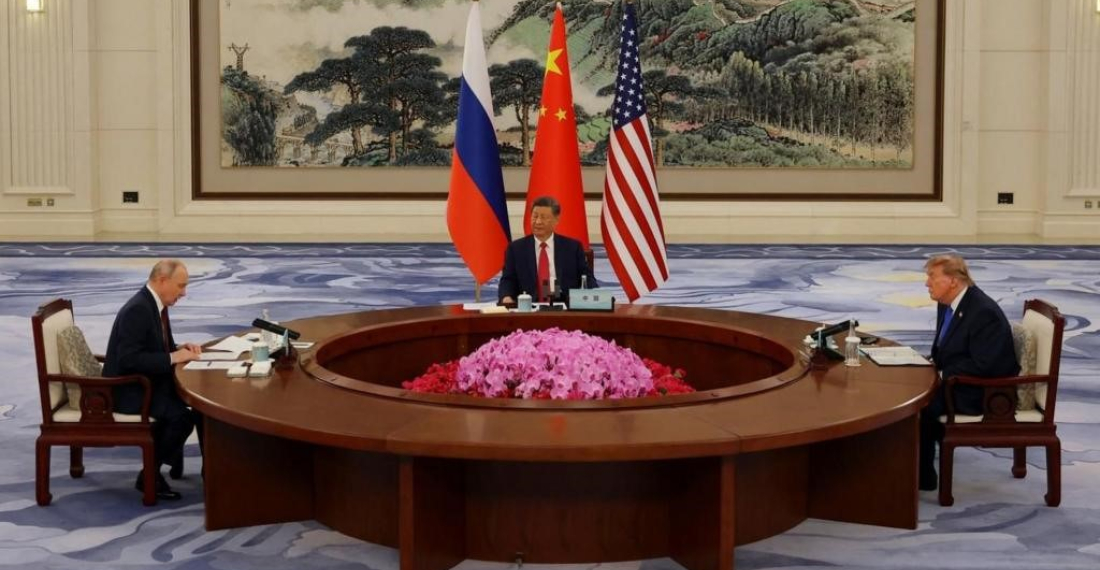
A week full of summits
World leaders have been busy. The last few days have seen a plethora of summits of different shapes, numbers and forms across the world. It is “good to talk”, but unless summits are well prepared, they may end up being just photo-opportunities, or worse.
G3 in Shenzen
The one that got the most attention was the three-way summit of China Russia and the United States in Shenzen in China, which brought together Presidents Xi, Putin and Trump, which the media dubbed as the G3. The three countries had never met in this format before, so understandably there was a lot of media interest. Former British Home Secretary, Lord Blunkett, speaking on the BBC, described the summit as a meeting “of three old men worried about their legacy”.
It was a short meeting added on the back of another larger summit, the APEC summit of Asia-Pacific nations. In the end nothing of substance came out from the G3 summit. It was simply a photo opportunity that will only be remembered for Trump calling Putin his “friend”, despite the atrocities he is doing in Ukraine, and his invasion of that country.
Trump is a politically wounded president. He has lost both houses of congress in the November mid-term elections. He leads a divided country that has seen in the Gulf in the last nine months that its military might is finite. Like its president, the United States is damaged.
Diplomacy is important, and countries need to talk to each other. There are some issues, such as nuclear weapons that require intensive contacts and dialogue between those who have them. But experience tells us that heads of state summits on this issue must come at the end, after a lot of work is done behind the scenes. The G3 summit was in many ways disappointing. The dialogue barely started, but must now be sustained.
COP 31 in Antalya
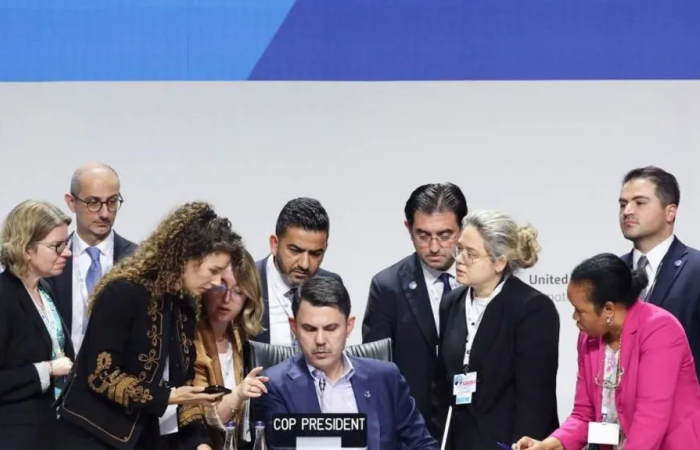
The United Nations Climate Change meetings have become annual jamborees, attracting as many as 100,000 people from presidents of countries to grassroot activists. This year the Climate summit, COP 31 took place in Antalya, Türkiye. By and large it failed, even though some tried to put a brave face to it. There was disagreement on the transition away from fossil fuels and on how to provide additional financial support for developing countries, prompting increasingly vocal criticism from civil society.
These summits are no longer fit for purpose. The world of today is not the world of the 1990’s. Climate change remains a serious issue. In many ways it is more urgent and more grave today than it was thirty years ago. But the international system is broken. The UN tries to prepare for the COP meetings through a series of preparatory gatherings. But too much is left till the last day of the COP gatherings.
The COP process needs to be reformed to reflect the new reality. Civil society has a duty to help inform and support this process, rather than oppose it.
UK-EU summit in Brussels
The UK-EU summit in Brussels, was long-awaited, well prepared, and produced concrete results. The 18 page joint statement, was detailed and comprehensive. The media focused on food, emissions trading and youth mobility. The British media was obsessed with the issue of tuition fees – in a very superficial way.
But the summit was about much more. It aligned the British and EU positions on Defence, Security and Foreign Policy. The joint statement said unambiguously on page 1:
“The EU and the UK are neighbours, friends, and like-minded, strategically important partners, facing shared threats and aligned on defending the rules-based international order rooted in the principles of the United Nations Charter. Our partnership reflects the strength of our common values: democracy, the rule of law, and respect for human rights. In the increasingly complex and challenging geopolitical context, we are committed to working closely together within our Strategic Partnership and to fulfil our shared responsibility for the security of Europe and beyond.”
British Prime Minister Andy Burnham has had the courage to open the Brexit debate again in the UK. Brexit has already costed the UK dearly. At best it is a luxury that the country cannot afford; at worse, it is an expensive folly caused by a false sense of greatness. The UK-EU summit in Brussels on 20 November started to address the issue.
Three summits, different in style and format, but only the one well-prepared yielded concrete results.
Source Dr Dennis Sammut is the Director of LINKS Europe and Managing Editor of commonspace.eu