Region

Türkiye and the Levant

Stories under this heading cover Türkiye as well as the Levant – a large area in the Eastern Mediterranean region of Western Asia, consisting of Syria, Lebanon, Jordan, Israel and Palestine.

Editor's choice
News
Pope's visit to Türkiye and Lebanon has a strong ecumenical character, and places interreligious dialogue at its centre

Pope's visit to Türkiye and Lebanon has a strong ecumenical character, and places interreligious dialogue at its centre

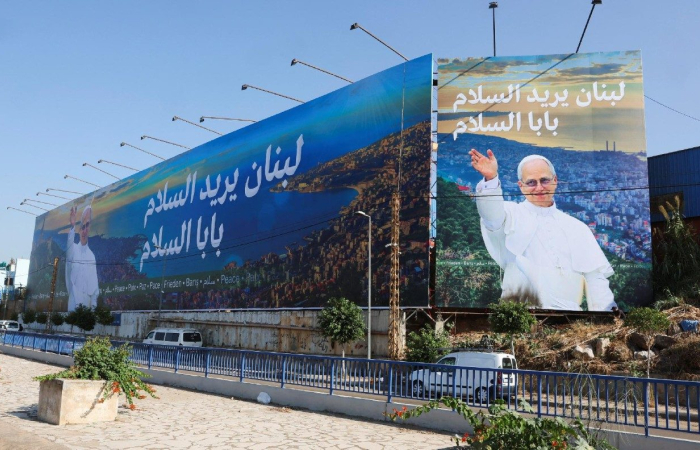
Pope Leo XIV has begun the first overseas trip of his pontificate, a six-day visit to Türkiye and Lebanon, which started yesterday (27 November) and ends on Tuesday (2 December). According to Vatican Radio, the visit "carries a strong ecumenical character and places interreligious dialogue at its centre. It will also be a moment of closeness to Christian communities and local populations across the region".   During nearly a week in the region, Pope Leo XIV will meet civil and religious authorities, visit mosques and ancient churches, pray at Beirut’s port in memory of the victims of the 2020 explosion, and hold private meetings with Presidents Recep Tayyip Erdoğan and Joseph Aoun.   A highlight of the visit will be a visit to Nicaea, where the Pope will mark the anniversary of the Council of Nicaea. Christians of many traditions recognise the Council of Nicaea as a foundation of shared faith. One of the most anticipated moments will be the Pope’s encounter with Lebanese youth in Bkerké, at the Maronite Patriarchate, a meeting expected to carry strong messages of hope in the Jubilee Year. A central event will be the ecumenical celebration in İznik, where the Pope and Ecumenical Patriarch Bartholomew will walk together toward the ruins of the Basilica of St Neophytos. The prayer, held before icons of Christ and the Council, will conclude with the lighting of a candle—a symbolic gesture of unity. The journey will also highlight interreligious engagement.   Memorable moments are expected throughout the trip: a wreath at Atatürk’s mausoleum, prayer inside the Blue Mosque, Mass at Istanbul’s Volkswagen Arena, the planting of a cedar at the presidential palace in Beirut, and prayer at the tomb of St Charbel in Lebanon. The Vatican said that "Pope Leo XIV’s pilgrimage to Türkiye and Lebanon aims to offer a voice of peace, unity, and hope at the heart of the Middle East."
Editor's choice
News
Turkiye to host COP31 in 2026

Turkiye to host COP31 in 2026

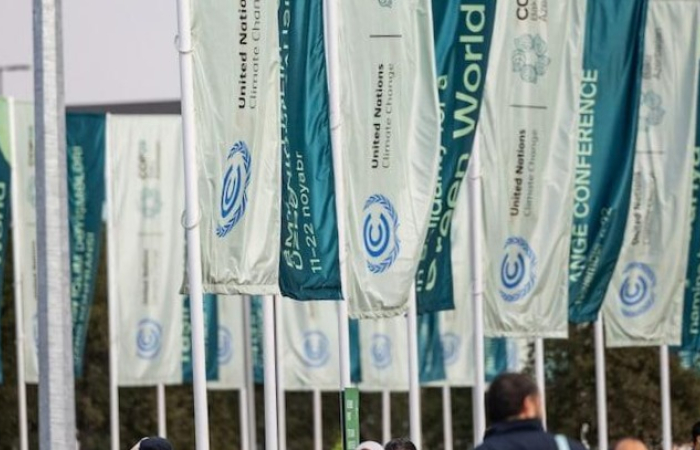
A consensus has emerged during COP 30, currently being held in Belan, Brazil, that COP 31 will be held in the Turkish city of Antalya, in 2026. In 2026 Turkiye will host another global event, the NATO leaders summit. Turkiye is set to host COP31 after reaching compromise with Australia.  The COP31 climate meeting is now expected to be held in Turkey after Australia dropped its bid to host the annual event. Under the UN rules, the right to host the COP in 2026 falls to a group of countries made up of Western Europe, Australia and others. A consensus must be reached but neither country had been willing to concede. Australia has now agreed to support the Turkish bid in return for their minister chairing the talks following negotiations at COP30, currently being held in Brazil. This unusual arrangement has taken observers by surprise. It is normal for a COP president to be from the host country and how this new partnership will work in practice remains to be seen. Australian Prime Minister Anthony Albanese has called the compromise with Turkey an "outstanding result" in an interview with the Australian Broadcasting Corporation (ABC), noting Pacific issues would be "front and centre". He added that he had spoken to Papua New Guinea Prime Minister James Marape and Prime Minister Rabuka of Fiji. There will be relief among countries currently meeting at COP30 in the Brazilian city of Belém that a compromise has been reached as the lack of agreement on the venue was becoming an embarrassment for the UN.

Filter archive

Publication date
Editor's choice
News
Erdogan falls short of outright majority in first round of Turkey presidential election

Erdogan falls short of outright majority in first round of Turkey presidential election

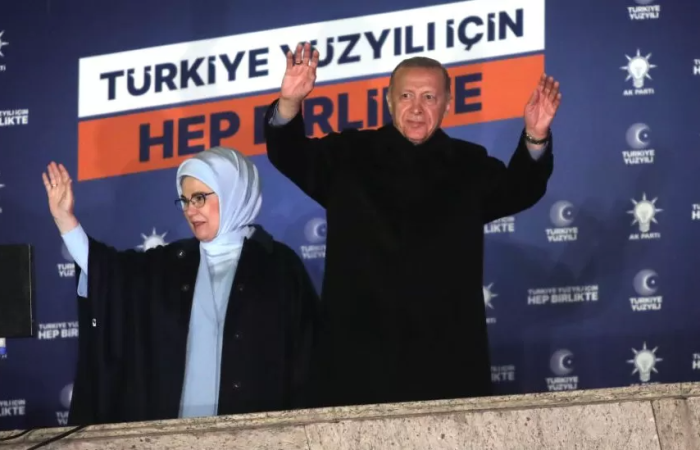
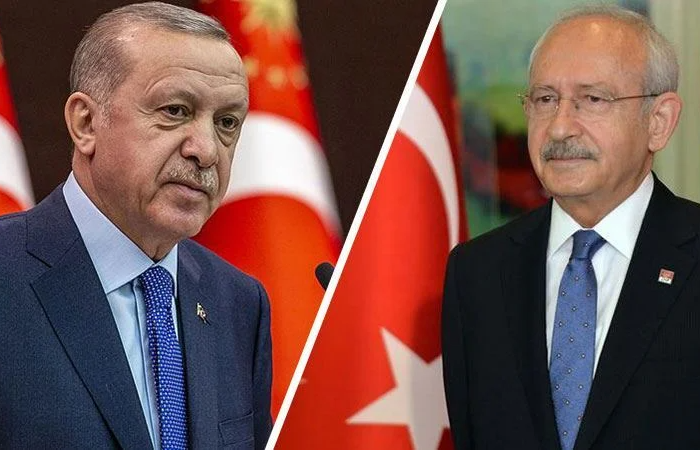
Turkey's highly anticipated presidential election held yesterday (14 May) has left incumbent President Recep Tayyip Erdogan falling short of securing the necessary votes for a first-round victory.  Despite polls having predicted an initial first round victory for Erdogan’s challenger Kemal Kilicdaroglu, the outcome sets the stage for a runoff between the two, the outcome of which may have huge implications for Turkey's political landscape and its role on the international stage. The second round will take place on 28 May.  Erdogan, who has been either Prime Minister or President for 20 years, failed to reach the required 50% of votes in the first round to declare outright victory. With 97.95% of votes counted, Erdogan secured 49.34%, while Kilicdaroglu garnered 44.99%, according to state-run Anadolu news agency. The third candidate, Sinan Ogan, received 5.28% of votes This election marks a significant test for Erdogan, who has faced economic challenges and criticism regarding the government's handling of the earthquake on 6 February. Kilicdaroglu on the other hand fronts a coalition of six parties who are seeking to oust Erdogan with promises to address economic issues and restore democratic institutions.
Editor's choice
News
Syria readmitted to the Arab League 11 years after suspension

Syria readmitted to the Arab League 11 years after suspension

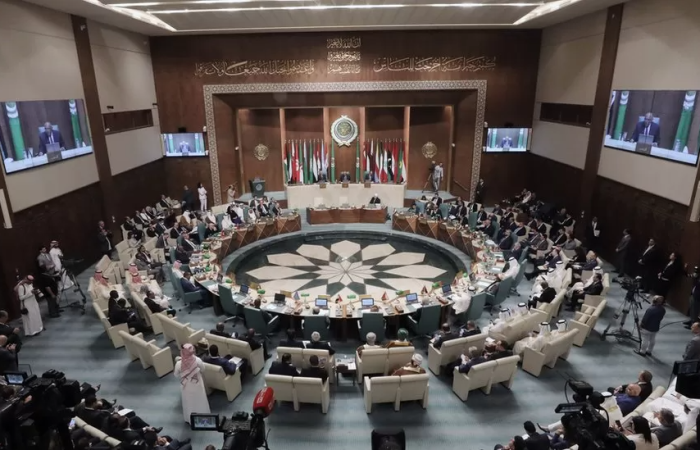
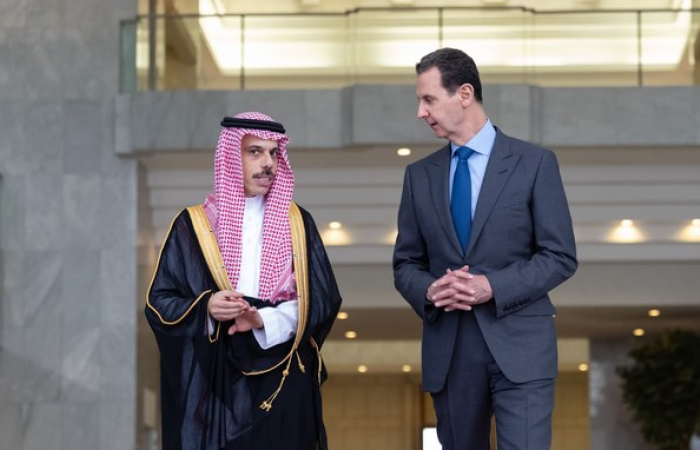
Syria has been readmitted to the Arab League 11 years after its membership was suspended over the government's violent crackdown of pro-democracy protests in 2011 that led to the outbreak of the Syrian Civil War. In a meeting of 13 out of 22 foreign ministers at the Arab League's headquarters in the Egyptian capital Cairo on Sunday (7 May), they agreed to "resume the participation of the delegations of the government of the Syrian Arab Republic in the meetings of the Council of the League of Arab States", according to a statement.  The Arab League Secretary General Ahmed Aboul Gheit also told journalists on Sunday that Syrian President Bashar al-Assad could participate in the upcoming Arab League summit in Saudi Arabia if he is invited and if he wants to attend. In the statement released after the vote to readmit Syria, which was reportedly not unanimous, the Arab League said that the "resolution of the Syria conflict is a step-by-step matter", of which Syria's readmission to the group was only a first step. The statement added that the Arab League supports Syria's territorial integrity and the "withdrawal of all foreign forces" from the country.
Editor's choice
News
Ten days to go until Turkish presidential election with opposition leader ahead in polls

Ten days to go until Turkish presidential election with opposition leader ahead in polls

There are now ten days to go until Turkey heads to the polls for the first round of the Turkish presidential election on 14 May. The main race is being fought between incumbent president Recep Tayyip Erdogan, who has served as either Prime Minister or President since 2003, and Kemal Kilicdaroglu, a former bureaucrat from the country's social security authority who is leading a coalition of six parties from across the political spectrum. The election is expected to be tight. Over the weekend, Istanbul-based opinion pollster TEAM released its April report, according to Al-Monitor, which put challenger Kilicdaroglu at 47.4% and Erdogan at 44.4%. If no candidate reaches a majority in the first round of voting, the election will head to a second round. If it were to reach this stage, Kilicdaroglu is predicted to beat Erdogan by a 5% margin, according to TEAM. Turkey is currently experiencing major challenges that have dented Erdogan's hopes of winning May's election.
Editor's choice
News
Israel launches air strikes on Lebanon and Gaza after huge rocket barrage

Israel launches air strikes on Lebanon and Gaza after huge rocket barrage

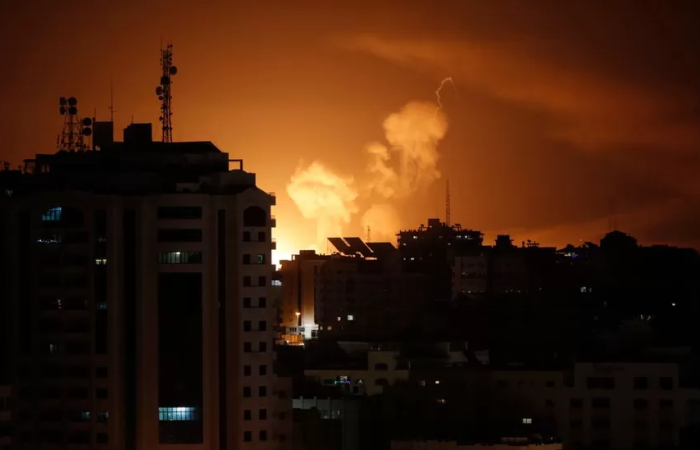
The Israeli military (IDF) has carried out air stikes on the Palestinian militant group Hamas in southern Lebanon and the Gaza Strip overnight on 6-7 April. The military said they launched the strikes in response to a 34-rocket barrage fired from southern Lebanon into Israel on Thursday (6 April), which it blamed on Hamas. It was the biggest attack from Lebanon in 17 years. The Israeli military have said that 25 of the rockets fired from Lebanon were intercepted, but five hit Israeli territory. After the retaliatory strikes began, militants in Gaza then fired some 44 rockets into Israel, most of which were either intercepted by Israel's Iron Dome defence system or fell in open areas, according to the IDF. At least one house in the city of Sderot was hit, however. According to the IDF, more than 10 Hamas targets were hit in Gaza, including a shaft for an underground site to construct weapons, three other weapons workshops and an underground tunnel. There have thus far been no casualties reported from either the strikes or the overnight rocket fire, however a man was injured by shrapnel in northern Israel on Thursday afternoon as a result of the rocket barrage from Lebanon.
Editor's choice
News
Finland set to join NATO after Turkey finally approves membership

Finland set to join NATO after Turkey finally approves membership

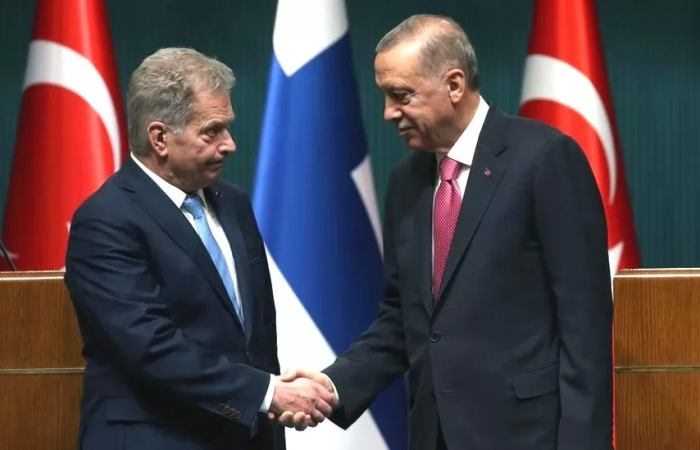
Finland is set to become the 31st member of the North Atlantic Treaty Organization (NATO) military alliance after approving its membership in a parliamentary vote late on Thursday (30 March). After months of stalling over claims that Finland, along with its nordic neighbour Sweden, were supporting Kurdish "terrorists", the Turkish parliament finally approved Finland's membership in a vote of 276 MPs voting for, and 0 voting against. While Finland will now be formally admitted into the military alliance at its next summit in July in Lithuania, Sweden's membership bid, which was submitted at the same time as Finland's, is still being held up by Ankara and Budapest. In a statement following the Turkish vote, the Finnish government said joining the alliance would strengthen the country's security, and improve stability and security in the region. Meanwhile the Finnish Prime Minister Sanna Marin tweeted, "as allies, we will give and receive security. We will defend each other. Finland stands with Sweden now and in the future and supports its application."