Filter archive

Publication date
Editor's choice
News
Women emerge favourite to lead United Nations from next year, after straw-poll of UN Security Council members

Women emerge favourite to lead United Nations from next year, after straw-poll of UN Security Council members

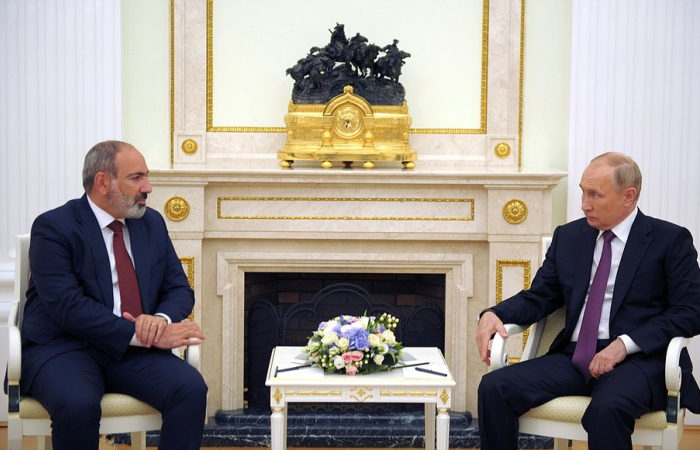
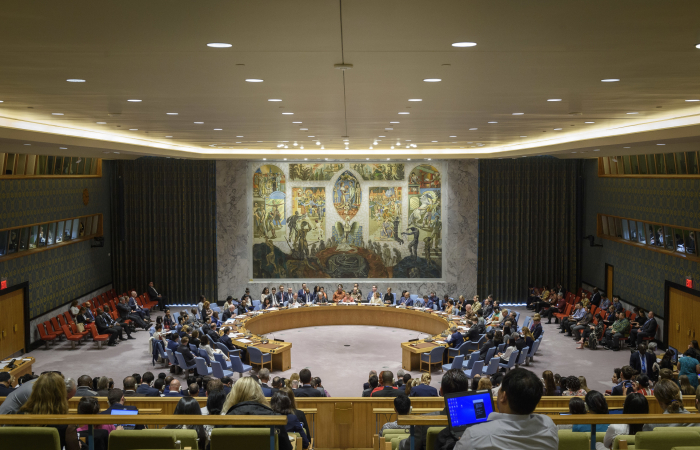
​ Two women have emerged as favourite to lead the United Nations as Secretary-General from 1 January 2027, when the term of the present incumbent, Antonio Gutteres, expires. A straw poll of the members of the UN Security Council, held on Thursday, 30 July showed that of the seven candidates, Rebecca Grynspan of Costa Rica and Carolyn Rodriguez-Birkett of Guyana received ten and nine positive endorsements respectively, by the 15 members UN Security Council Although the poll and its result are supposed to be secret, the result leaked within minutes, and was carried on world media outlets, such as Reuters. The result was as follows   Michelle Bachelet 6 encourage 5  discourage   4 no opinion María Fernanda Espinosa 5 2 8 Rafael Grossi 7 2 6 Rebeca Grynspan 10 1 4 Olara Otunnu 2 5 8 Carolyn Rodrigues-Birkett 9 2 4 Macky Sall 6 7 2   Article 97 of the UN Charter states that the “Secretary-General shall be appointed by the General Assembly upon the recommendation of the Security Council”. Straw polls are informal ballots used to determine the viability of Secretary-General candidates.  The seven current candidates are: Michelle Bachelet Jeria (Chile), who was nominated by Brazil, Chile, and Mexico on 2 February, with Chile withdrawing its nomination on 24 March; María Fernanda Espinosa Garcés (Ecuador), who was nominated by Antigua and Barbuda on 11 May; Rafael Mariano Grossi (Argentina), who was nominated by Argentina on 26 November 2025; Rebeca Grynspan Mayufis (Costa Rica), who was nominated by Costa Rica on 3 March; Olara Otunnu (Uganda), who was nominated by Uganda on 24 July; Carolyn Rodrigues Birkett (Guyana), who was nominated by Guyana on 15 June; and Macky Sall (Senegal), who was nominated by Burundi on 2 March. At Thursday's straw poll, there was no difference between the ballots presented to the five permanent members (P5) and the ten elected members (E10). Council members received one ballot per candidate, containing the candidate’s name followed by three options: “encouraged”, “discouraged”, and “no opinion expressed”.   It is ofcourse early days, and the straw poll is just an informal indication of the mood of the UN Security Council, but the strong showwing by the two womencandidates may be an indication that for the first time, the head of the UN can be a women. (click image to read more) ​
Editor's choice
GULF CRISIS
US-Iran conflict engulfs entire Middle East

US-Iran conflict engulfs entire Middle East

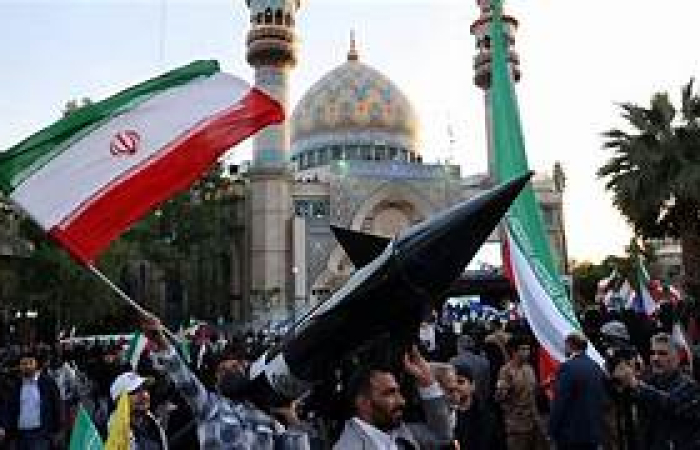
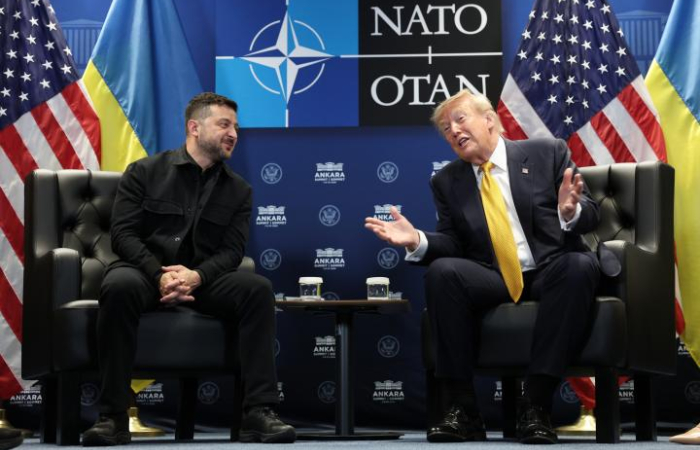
The US-Iran conflcit has now become truly a crisis which is engulfing the entire Middle East. The options open to the US appear to be narrowing. And in the absence of a strategy, what we see is a daily knee-jerk reaction, in the form of daily bombardments or Iran. US ally, Israel, in the meantime continues with military operations in Lebanon, Gaza, and the West Bank. Iran is retaliating with atttacks on Arab countries. the latest target being Egypt. Iran's allies in Yemen and Iraq are also weighing in. Iran appears to have regained its balance, after the killing of the Supreme Leader on 28 February. Apart from Iran and Israel, the conflict has now engulfed the six GCC countries (Saudi Arabia, Kuwait, Bahrain, UAE, Qatar and Oman), as well as Yemen, Iraq, Lebanon, Syria, Jordan and Palestine. With the conflict now entering its sixth month, and expanding, the consequences are huge, and not as Donald Trump expected when he capricously launched it.
Editor's choice
GULF CRISIS
Saudi Arabia under attack

Saudi Arabia under attack

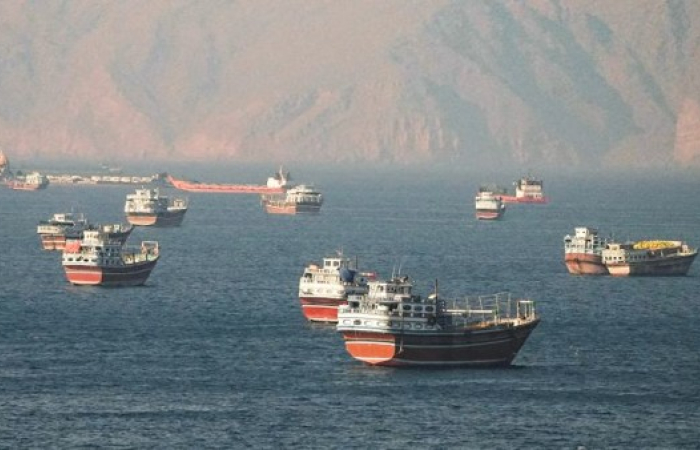
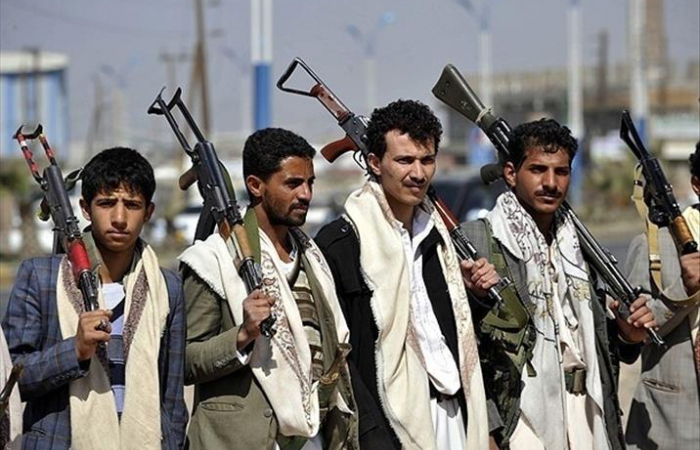
Attacks on Saudi Arabia have increased in the last days., as the conflict between the Kingdom, and the Iran-backed Houthi Movement in Yemen escalates. Earlier in July, the Houthis declared a maritime siege on Red Sea shipping to and from Saudi Arabia, and launched missiles and drones at the kingdom. Riyadh has since launched air strikes on Yemen’s key port city of Hodeidah, held by the Houthis. Yemen’s Houthi movement is aiming to replicate Iran’s ⁠strategy in the Strait of Hormuz by controlling shipping flows in the Red Sea’s Bab al-Mandeb Strait, the Yemeni government’s top diplomat warns. “The Houthis want to copy the Iranian model , and this will shut down two main straits, the gateways into the ⁠Gulf and Red Sea,” the foreign minister-designate for the internationally recognised Yemeni government, Afrah al-Zouba, told journalists on Monday. Speaking at the Yemeni embassy in Riyadh, Saudi Arabia, al-Zouba said the Houthis have been emboldened due to the insufficient international response to their activities in the region. Bab al-Mandeb Strait connects the Red Sea to the Gulf of Aden and the wider Indian Ocean, and – much like the Strait of Hormuz – a significant portion of the global economy depends on the unimpeded flow of maritime traffic through it. Approximately 30 percent of global container traffic passes through the Red Sea, and 12 to 15 percent of overall global trade. Yemen’s geography gives whoever controls the country’s west a commanding influence over traffic through Bab al-Mandeb. Data suggests that shipping through the Red Sea is already declining, with just 11 commodity vessels passing through it on Sunday. (click image to read more)