Theme

Equality and Human Rights

'All human beings are born free and equal in dignity and rights. They are endowed with reason and conscience and should act towards one another in a spirit of brotherhood.'

– Article One, The UN Declaration of Human Rights

Editor's choice
Young voices
Opinion: The children of Sudan that the world forgot to see

Opinion: The children of Sudan that the world forgot to see

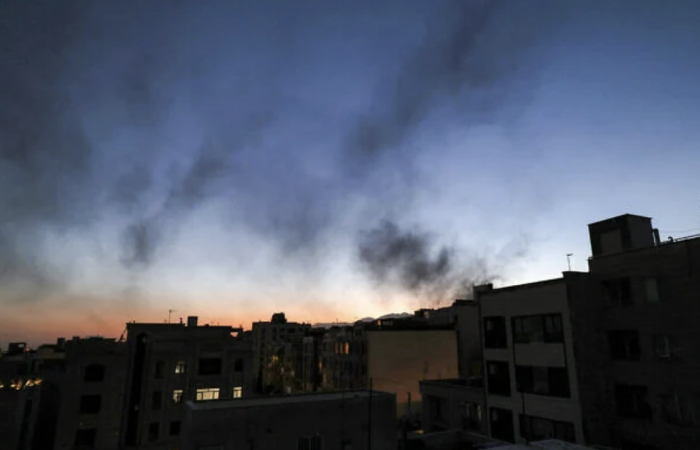
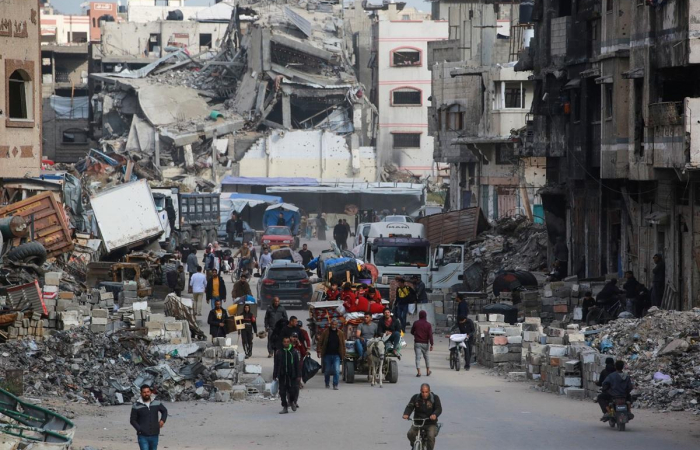
Sudan’s latest war began in April 2023, though the seeds of its violence were planted long before. The Sudanese Armed Forces and the Rapid Support Forces did not collide out of nowhere; they emerged from decades of political rot, unaddressed grievances, ethnic persecution, and military rule that carved deep fractures into the country’s social fabric. When fighting exploded across Khartoum and later consumed Darfur, Kordofan, and the east, it unleashed one of the worst humanitarian catastrophes of the 21st century. In this op-ed, Ioana-Maria Ungureanu, Junior Research Assistant at LINKS Europe, takes a heartfelt look at the plight of Sudan, and its children. When the latest war started, whole cities emptied. Markets burned. Families fled on foot. And a famine began tightening its grip, slow and suffocating. And yet, the world remained mostly silent. Sudanese death is too often framed as an unfortunate feature of the region, a tragedy that feels expected rather than outrageous. Even when evidence of atrocity is abundant, it fails to command the same emotional weight. Sudan should not have to beg for visibility. It deserves it. Because its people deserve to live. And their lives deserve the same respect, safety, and hope that we demand for our own. (read the op-ed in full by clicking the image above)
Editor's choice
News
UN General Assembly demands that Russia returns Ukrainian children

UN General Assembly demands that Russia returns Ukrainian children

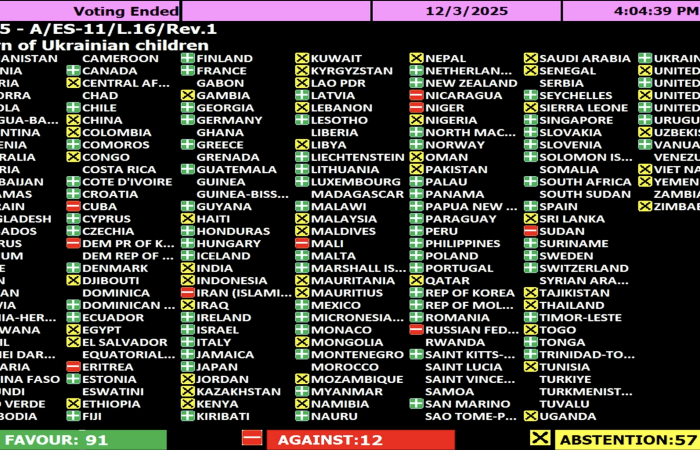
The UN General Assembly, in a vote on Wednesday (3 December) overwhelmingly voted in favour of a resolution demanding that Russia returns Ukrainian children kidnapped since the start of the Russian invasion in February 2022. 91 countries voted in favour of the resolution, 12 voted against, and 57 countries abstained or were not present. Russia and Belarus were joined by ten countries in voting against the resolution, namely, Iran, Cuba, Nicaragua, Burundi, Burkina Faso, Niger, Mali, Democratic Republic of Congo, Sudan, and Eritrea. From the South Caucasus, Georgia voted in favour of the resolution, but Armenia and Azerbaijan abstained, as did Turkiye and the five Central Asian republics. Also abstaining were the six Gulf monarchies and most Arab countries. The resolution calls for the immediate return of Ukrainian children who were deported to Russia. The Ukrainian government says more than 19,000 children have been taken away from Russian-occupied areas and elsewhere since Moscow's invasion began in February of 2022. The draft resolution submitted on Wednesday demands that Russia "ensure the immediate, safe and unconditional return" of the children. (Read more by clicking the image)

Filter archive

Publication date
Editor's choice
News
Thousands of people join the Global March to Gaza

Thousands of people join the Global March to Gaza

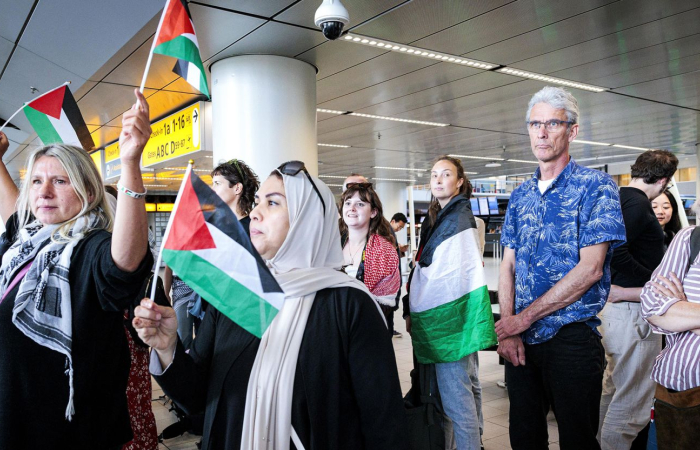
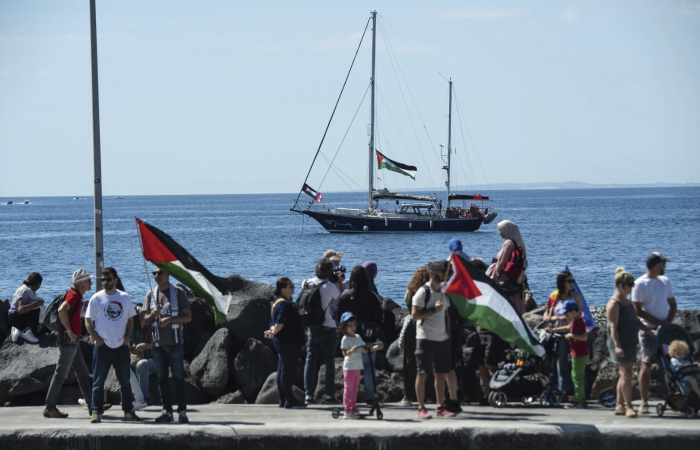
The global march to Gaza is set to begin on 15 June, with thousands of international activists planning to walk from Al-Arish to the Rafah border crossing. The activists come from over 80 different countries and have arrived in Egypt by plane or organised bus. Participants include Nkosi Zwelivelile Mandela, a former South African lawmaker and grandson of Nelson Mandela, as well as Hala Rharrit, a former US State Department diplomat. The march aims to peacefully advocate for the opening of a humanitarian corridor into Gaza and to draw global attention to the worsening crisis in the Strip, characterised by shortages of food, medicine and fuel.
Editor's choice
News
Who is Italian?

Who is Italian?

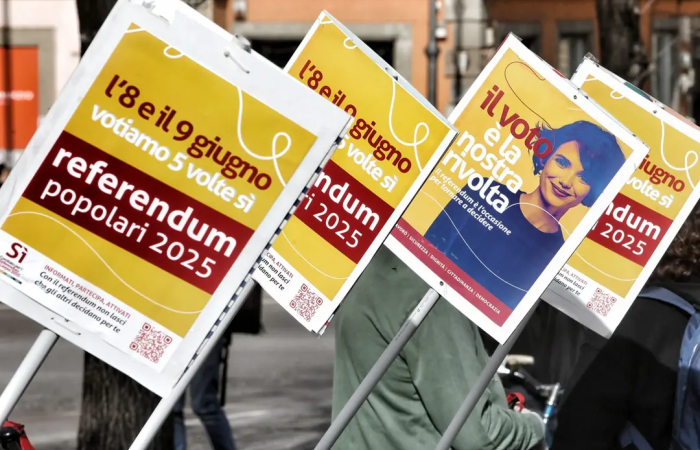
Italians go to vote on 8 and 9 June in a referendum that is dividing the nation and will help define "Who is Italian". Until the mid-19th century Italy was "a mere geographical expression", divided in small states and parts of it occupied by foreign powers. Eventually, the Italian language brought people together, and the Italian state as we know it emerged by 1871. In todays Italy, the question of who gets to be Italian is a sensitive one. Large numbers of migrants and refugees arrive in the country each year helped across the Mediterranean from North Africa by smuggling gangs. The national referendum on Sunday and Monday proposes halving the time required to apply for Italian citizenship. Cutting the wait from 10 years to five would bring this country in line with most others in Europe. The referendum was initiated by a citizens' initiative and is supported by civil society groups. But for such a referendum to be valid, 50% of all voters in Italy have to turn up. Giorgia Meloni, the country's hard-right prime minister, has announced she will boycott the vote, declaring the citizenship law already "excellent" and "very open". Other parties allied to her are calling on Italians to go to the beach instead of the polling station.
Editor's choice
News
Unexploded ordnance remains a deadly concern in Ukraine

Unexploded ordnance remains a deadly concern in Ukraine

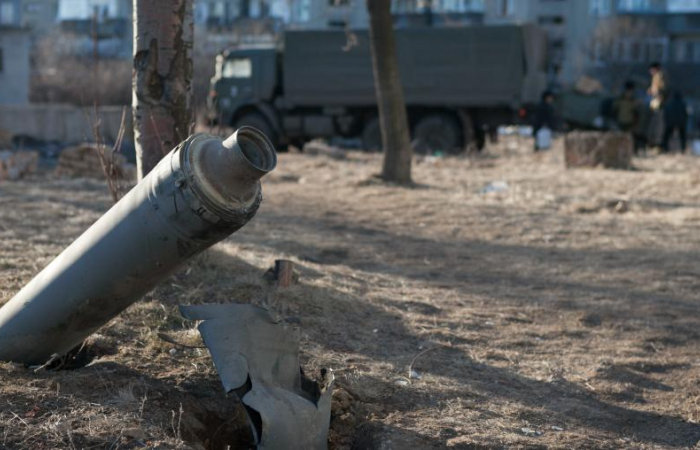
On Thursday (5 June), the UN Mine Action Service (UNMAS) warned that Ukraine is now the most heavily mined country since World War II, with over 139,000 square kilometres of land potentially contaminated by mines and unexploded ordnance. Speaking in New York on Thursday, UNMAS advisor Paul Heslop said that this contamination endangers lives and livelihoods, particularly in farming areas. Over six million people live near these dangerous zones, and more than 800 people have been killed or injured by landmines since 2022.
Editor's choice
News
African Union expresses concern over US president's new travel ban

African Union expresses concern over US president's new travel ban

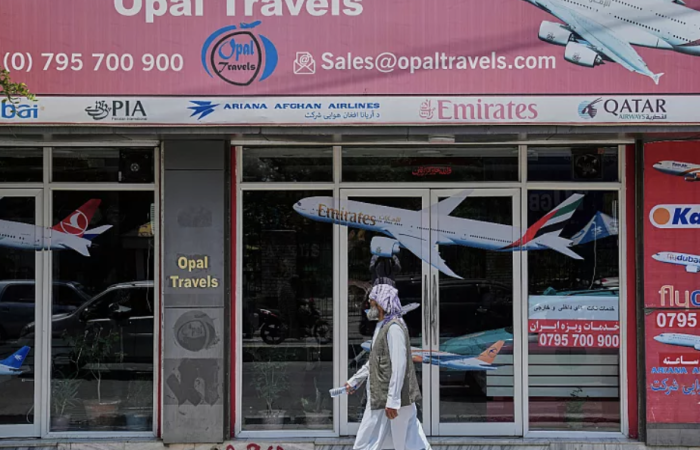
On Wednesday (4 June), US President Donald Trump signed a new travel ban affecting 12 countries, including seven in Africa: Chad, the Republic of the Congo, Equatorial Guinea, Eritrea, Libya, Somalia and Sudan. Burundi, Sierra Leone and Togo also face partial restrictions. President Trump justified the ban as a national security measure aimed at protecting the United States from foreign threats. The ban is set to take effect on Monday (9 June).
Editor's choice
News
Transparency International condemns censorship of TV channels and intimidation of critical media in Georgia

Transparency International condemns censorship of TV channels and intimidation of critical media in Georgia

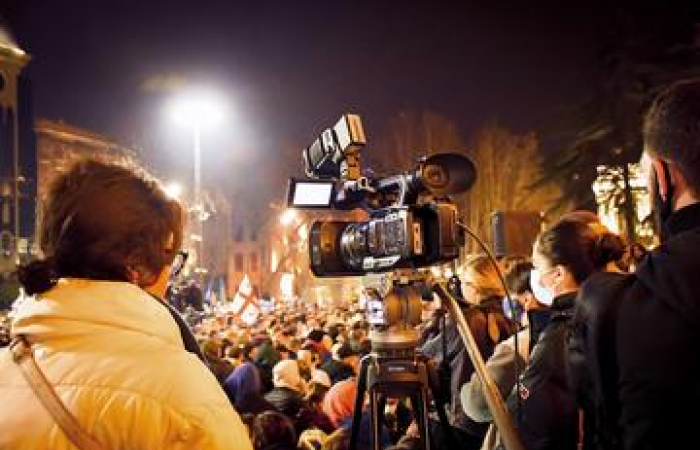
Transparency International has denounced censorship conducted by the ruling party of Georgia including attempts to intimidate critical media and suppress independent journalism in Georgia and called  for international support to defend Georgian democracy and media freedom. In a statement released on 4th June, Transparency International said independent media in Georgia must be able to ask critical questions and demand answers from the government and noted that the legal intimidation of critical broadcasters is in direct contradiction to both the Georgian Constitution and the country’s international obligations.
Editor's choice
News
Israel approves plans to capture the entire Gaza Strip

Israel approves plans to capture the entire Gaza Strip

Israel approved plans on Monday to capture the entire Gaza Strip and remain in the territory for an unspecified amount of time, two Israeli officials said, in a move that if implemented would vastly expand Israel’s operations in the Palestinian territory and likely bring fierce international opposition. Israeli Cabinet ministers approved the plan in an early morning vote, hours after the Israeli military chief said the army was calling up tens of thousands of reserve soldiers.