Theme

Diplomacy

Editor's choice
Opinion
Opinion: A sustainable peace requires consistent long-term European involvement

Opinion: A sustainable peace requires consistent long-term European involvement

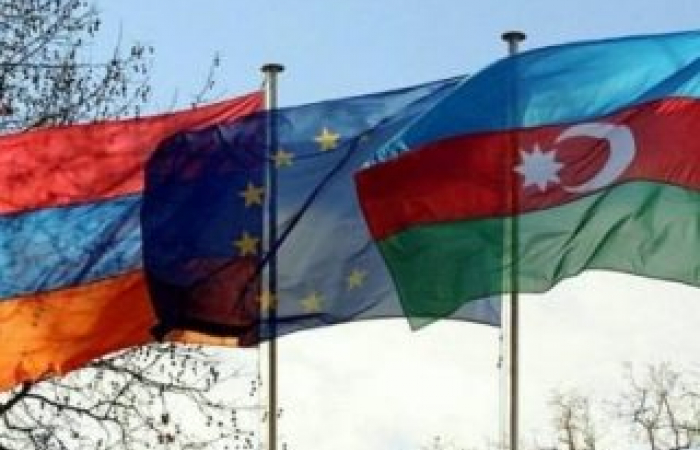
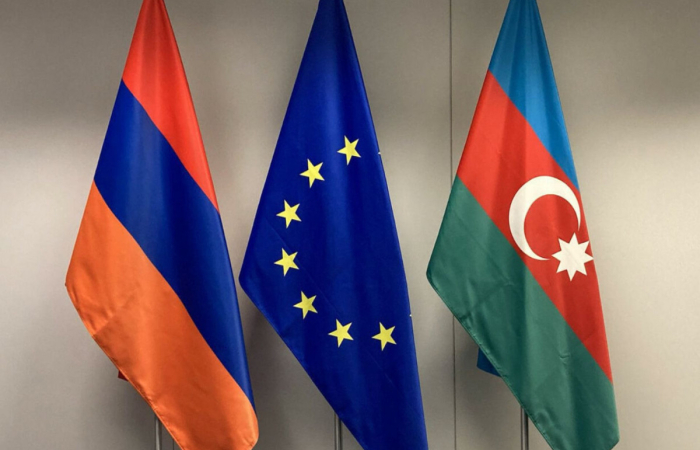
There is no denying that the EU, especially key member states acting in support, helped bring Baku and Yerevan closer to the Washington Declaration of August 8, 2025. But a declaration is not a treaty. Turning principles into a peace deal and eventually to a sustainable peace requires consistent long-term European involvement, writes Yalchin Mammadov in this-op-ed for commonspace.eu Before facilitating trust between Armenia and Azerbaijan, the EU is first expected to address its own credibility gap with Baku. A more balanced approach—such as including Azerbaijan, alongside Armenia, in the European Peace Facility—could be a useful first step. Diplomats can negotiate peace; societies must build peace. In this context, the EU can do what it does the best: long-term societal engagement. By expanding youth and academic exchange programmes, investing in cross-border civil society initiatives, and fostering people-to-people cooperation, Brussels can help shape a new generation equipped to sustain peace beyond political cycles. Such tools are slow and unglamorous, but if ignored, even the strongest treaty risks collapse. And obviously, these aspects require two-way engagement and genuine willingness by both governments to facilitate contact. If Brussels wants to remain influential, it needs to replace outdated one-size-fits-all policies with ambitious, interest-driven and differentiated approaches. Without a clear regional strategy, which appears to be the current situation, the South Caucasus will continue to sit at the margins of Europe’s security architecture—leaving space for other powers to take the lead. (You can read the op-ed in full by clicking the image.)
Filter archive

Publication date
Editor's choice
News
Transnistria ready for negotiations with new Moldovan president

Transnistria ready for negotiations with new Moldovan president

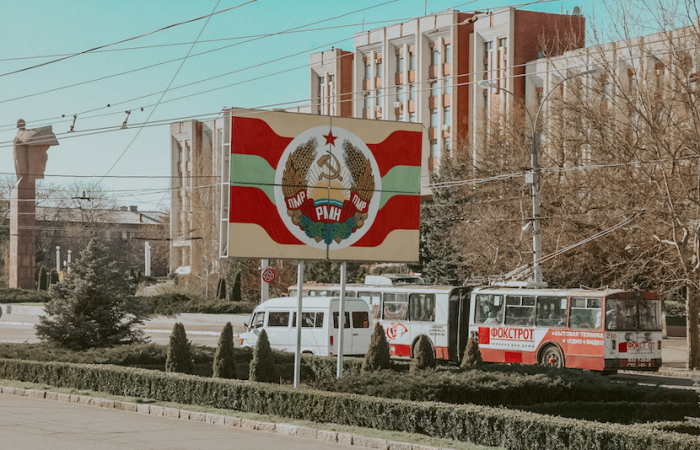
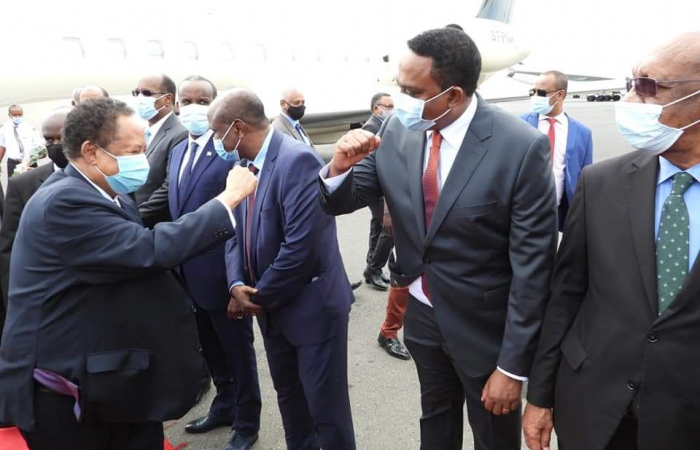
Following last week's swearing-in of the new president of Moldova, Maia Sandu, speculation has increased about the future of talks with the country's break-away region of Transnistria. Sandu is expected to discuss the issue with the Ukrainian leadership when she pays her first official visit overseas as president, visiting Kiev.
Editor's choice
News
Cancelled Summit reflects underlying strains in India-Russia relations

Cancelled Summit reflects underlying strains in India-Russia relations

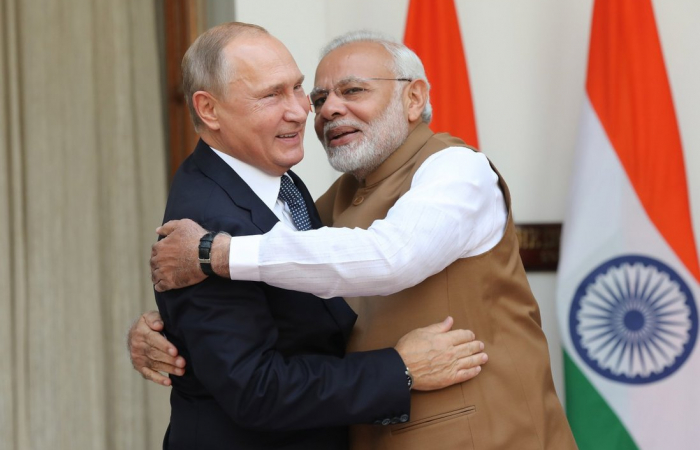
The annual India-Russia summit will not take place this year for the first time in twenty years amid speculation of tensions in the relationship. Whilst Russian and Indian diplomats have been emphasising that it is business as usual, others are pointing at a new geo-political reality that is straining the long historical friendship between the two countries.
Editor's choice
News
Saudi Arabia reflects on its role as "elder sister" within GCC

Saudi Arabia reflects on its role as "elder sister" within GCC

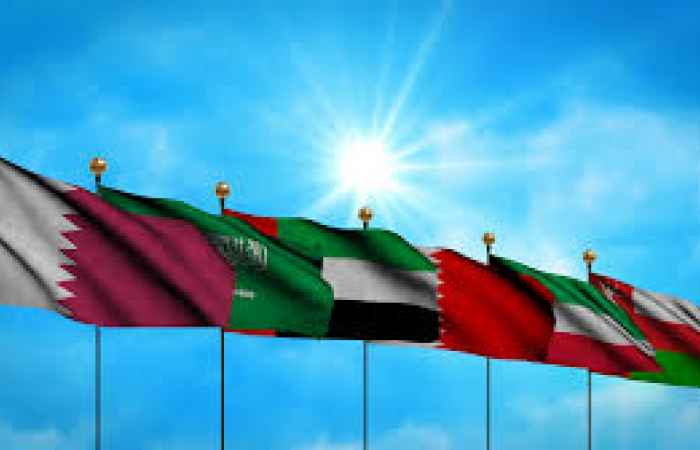
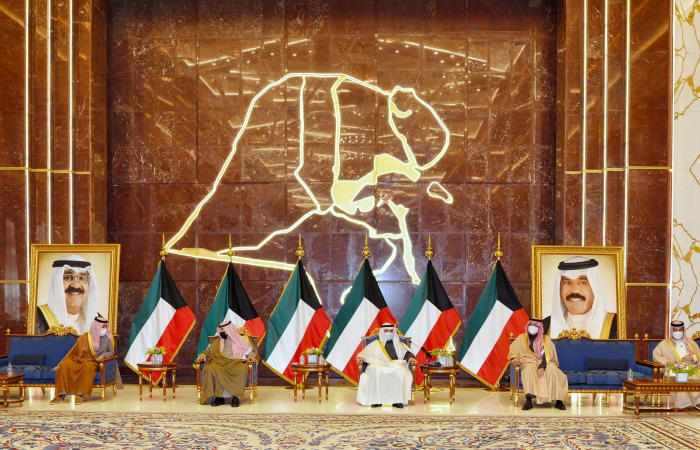
The next summit of the leaders of the six GCC countries is expected to be held in Saudi Arabia in the first week of January 2021. The GCC has been in crisis since a rift emerged between Qatar and three other members - Saudi Arabia, UAE and Bahrain. Thanks to Kuwait mediation it is hoped the rift can be healed ahead of the summit, allowing the GCC to resume its work.
Editor's choice
News
EU says it was not possible to hold a trilateral meeting with Armenia and Azerbaijan but stands ready to  support a durable settlement of the Karabakh conflict

EU says it was not possible to hold a trilateral meeting with Armenia and Azerbaijan but stands ready to support a durable settlement of the Karabakh conflict

High Representative Josep Borrell stated “The EU stands ready to assume a role in supporting and shaping a durable settlement to the Nagorno Karabakh conflict, in close complementarity with the Minsk Group Co-Chairs. We are ready to use our peacebuilding and reconstruction tools to support this.”
Editor's choice
News
GEU Podcast: What's going on with the OSCE? – with Dr Walter Kemp

GEU Podcast: What's going on with the OSCE? – with Dr Walter Kemp

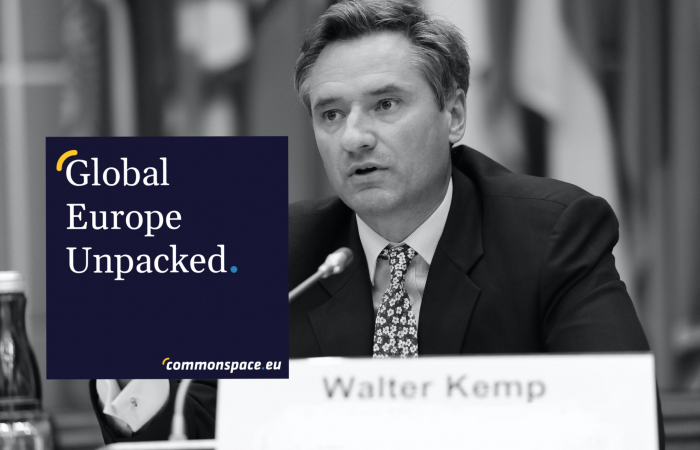
The Organization for Security and Cooperation in Europe (OSCE) was established in the 1990s as a multilateral security organisation for Europe and Eurasia. Following an organisational crisis this year, Will Murray speaks to Dr Walter Kemp about the organisation's history and approach to security, and what can be done to ensure its effectiveness going forward.