Theme

Diplomacy

Editor's choice
Opinion
Opinion: A sustainable peace requires consistent long-term European involvement

Opinion: A sustainable peace requires consistent long-term European involvement

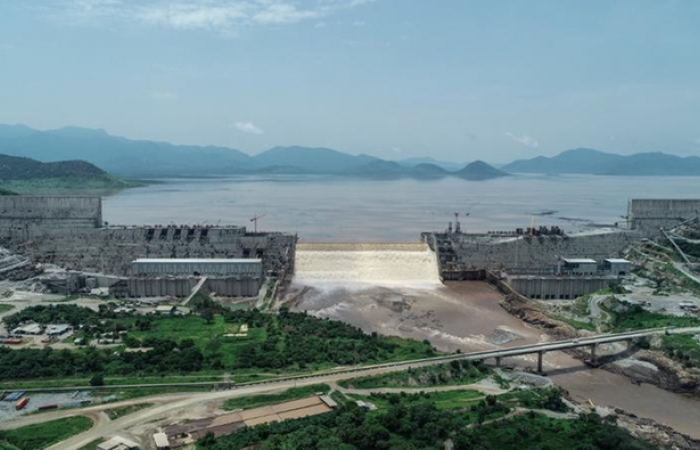
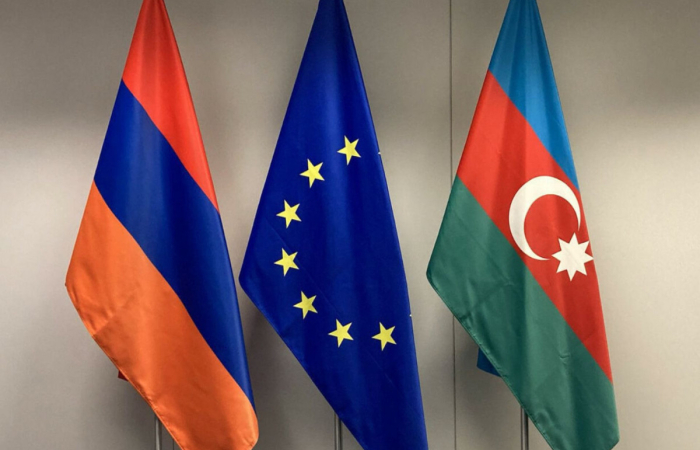
There is no denying that the EU, especially key member states acting in support, helped bring Baku and Yerevan closer to the Washington Declaration of August 8, 2025. But a declaration is not a treaty. Turning principles into a peace deal and eventually to a sustainable peace requires consistent long-term European involvement, writes Yalchin Mammadov in this-op-ed for commonspace.eu Before facilitating trust between Armenia and Azerbaijan, the EU is first expected to address its own credibility gap with Baku. A more balanced approach—such as including Azerbaijan, alongside Armenia, in the European Peace Facility—could be a useful first step. Diplomats can negotiate peace; societies must build peace. In this context, the EU can do what it does the best: long-term societal engagement. By expanding youth and academic exchange programmes, investing in cross-border civil society initiatives, and fostering people-to-people cooperation, Brussels can help shape a new generation equipped to sustain peace beyond political cycles. Such tools are slow and unglamorous, but if ignored, even the strongest treaty risks collapse. And obviously, these aspects require two-way engagement and genuine willingness by both governments to facilitate contact. If Brussels wants to remain influential, it needs to replace outdated one-size-fits-all policies with ambitious, interest-driven and differentiated approaches. Without a clear regional strategy, which appears to be the current situation, the South Caucasus will continue to sit at the margins of Europe’s security architecture—leaving space for other powers to take the lead. (You can read the op-ed in full by clicking the image.)
Filter archive

Publication date
Editor's choice
News
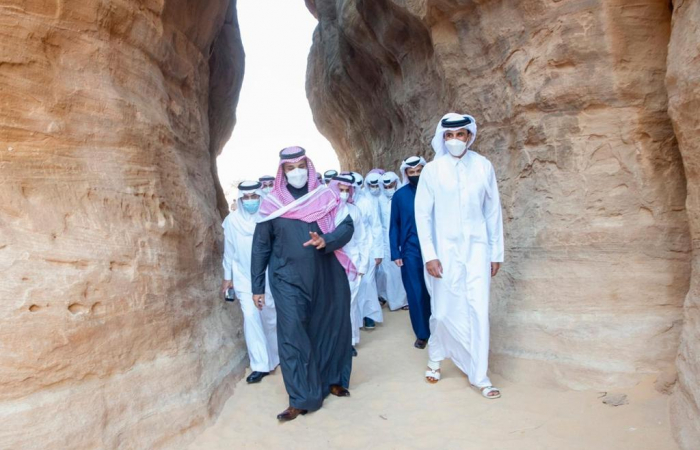
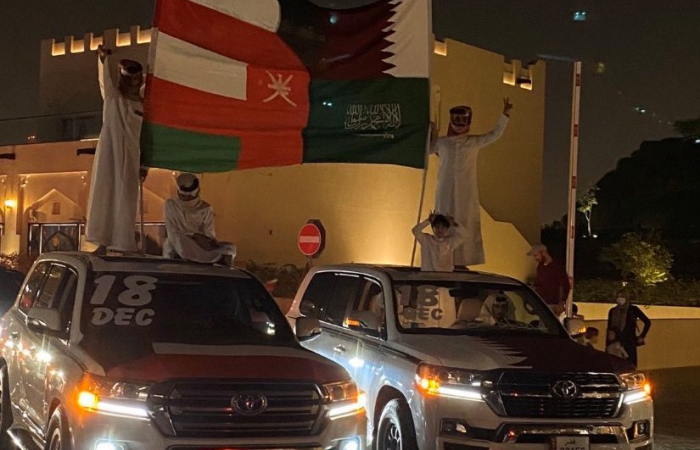
Saudi Arabia and allies restore diplomatic relations with Qatar as summit hails a new dawn in regional relations

Saudi Arabia and allies restore diplomatic relations with Qatar as summit hails a new dawn in regional relations

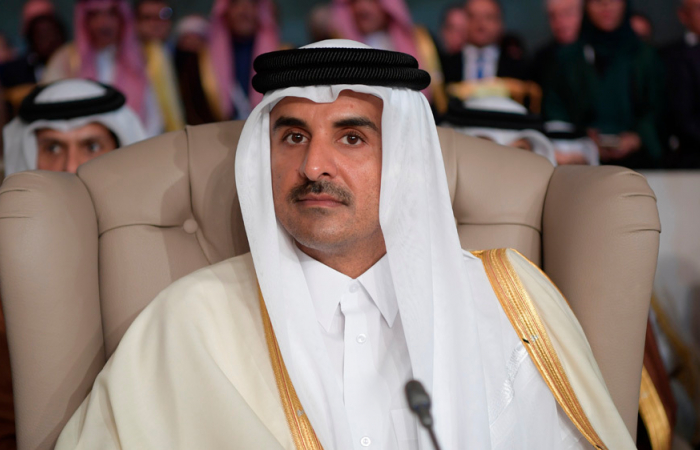
The theme of unity and solidarity dominated the summit, and was the basis of the document known as the Al Ula Declaration, signed by the leaders  at the end of the meeting. The EU has welcomed the results of the Al Ula summit describing them as "significant developments as they will considerably strengthen regional stability and restore GCC unity and cooperation in full."
Editor's choice
Opinion
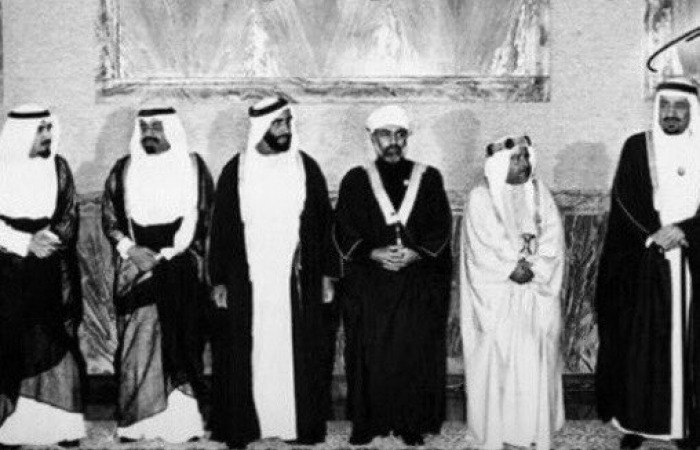
 Commentary: GCC leaders will meet this week to seek a unified approach to tackle many challenges ahead

Commentary: GCC leaders will meet this week to seek a unified approach to tackle many challenges ahead

Leaders from the six nation Gulf Co-operation Council meet in Saudi Arabia this week. After months of discussions the rift between Qatar and other GCC members appears to have been healed, opening the prospect for a unified approach to the challenges ahead.
Editor's choice
News
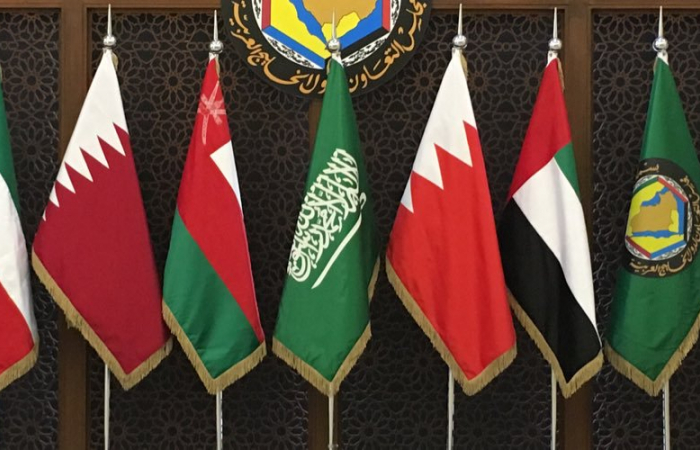
GCC: cooperation key in facing current challenges

GCC: cooperation key in facing current challenges

The forty-first session of the Supreme Council of the Cooperation Council for the Arab States of the Gulf will be held tomorrow in Al-Ula Governorate, in Saudi Arabia.  The summit is expected to provide a real opportunity to overcome a number of challenges facing the region, the most important of which is the unity of the Gulf  states efforts to confront the pandemic and restore economic growth for the countries of the region.
Editor's choice
News
Sweden takes over chairmanship of the OSCE

Sweden takes over chairmanship of the OSCE

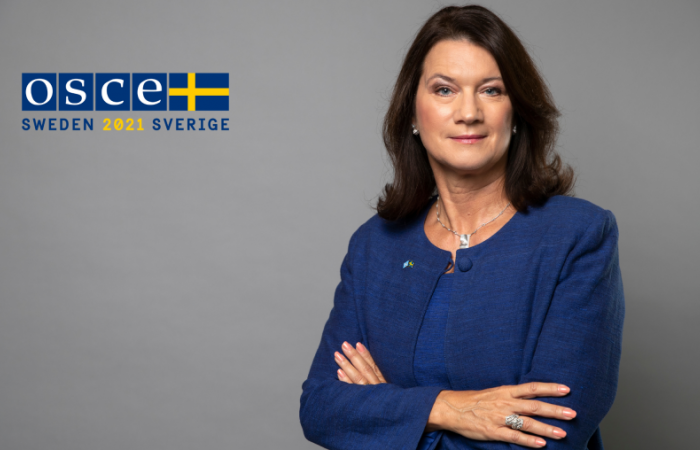
“Our priorities as Chair will be to emphasize the fundamental tasks of the OSCE; defending the European security order, upholding the OSCE concept of comprehensive security and to contribute to resolving the conflicts in our region", said incoming OSCE Chairperson Swedish Foreign Minister Ann Linde.
Editor's choice
News
New chapter in EU-UK relations

New chapter in EU-UK relations

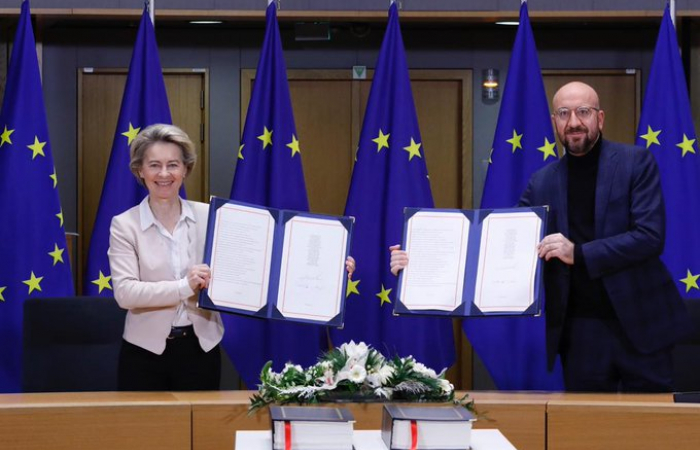
Charles Michel, President of the European Council: "On major issues, the European Union stands ready to work shoulder to shoulder with the United Kingdom. This will be the case on climate change, ahead of the COP 26 in Glasgow, and on the global response to pandemics, in particular with a possible treaty on pandemics. On foreign affairs, we will seek cooperation on specific issues based on shared values and interests."