Editor's choice
This is a members’ functionality. Please
Sign upMonday Commentary
Trending
Monday Commentary: Multilateralism remains the best option, but the rules have changed
8 December 2025
To listen to world leaders speaking these days, one would think that the world has embraced multilateralism, as the guiding principle in international relations. From Brussels to Beijing the concept is lauded, often to distinguish countries or groups of countries from Trumpian America, which has turned multilateralism into a bogey, and often a punching bag.
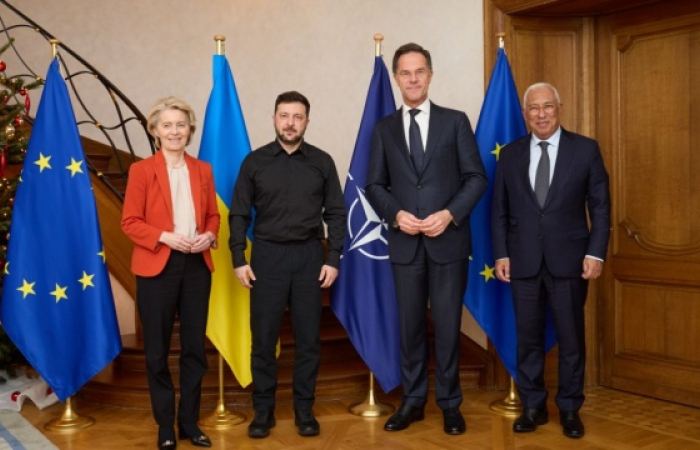
But a closer look indicates that many countries are talking at cross-purposes. At one end you have the European Union, itself a quintessential multilateralist project grouping 27 member states, some of whom had spent the last century fighting each other.
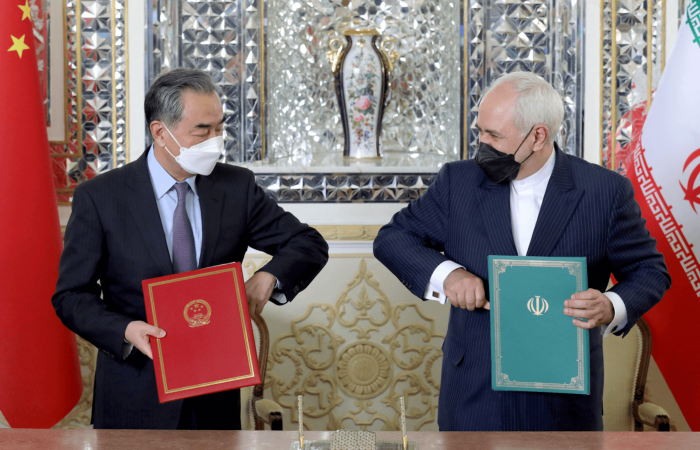
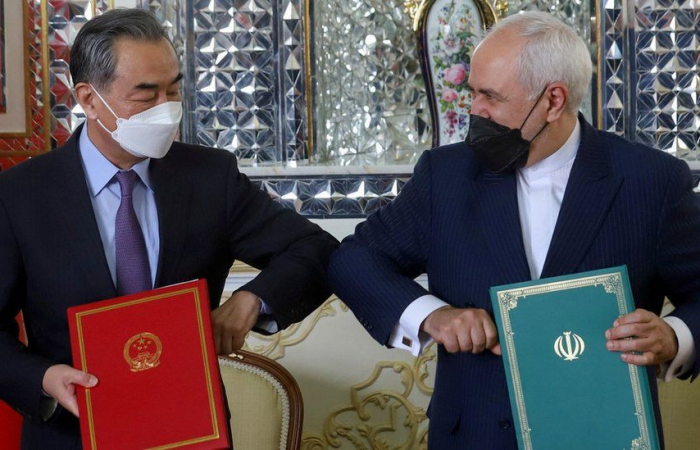
At the other extreme, there is China, a country with great ambitions, and a great discourse that accompanies these ambitions, who however presents itself as the self-proclaimed leader of the global south.
Put simply, multilateralism is when a group of countries agree to pursue a common goal in cooperation, and based on equality.
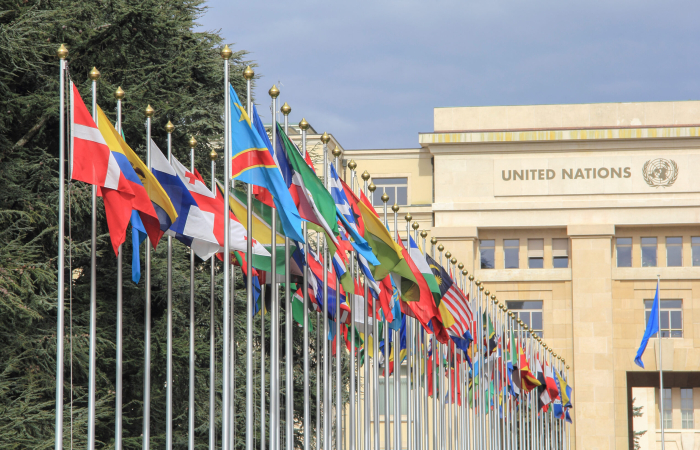
On the European continent, multilateralism was for fifty years the way the continent conducted business, and two organisations became a clear expression of this multilateralist path: the European Union (EU), and the Organisation for Security and Co-operation in Europe (OSCE). They both operate by consensus. Beyond the continent, on a global level, the UN is in crisis. It will take a lot of time, effort, and money, to fix it. Three countries can help, or they can make matters worse: the US, Russia, and China. Trumpian America does not like the UN and has turned its back on multilateralism.
The shameful US national security strategy creates a wedge between the US and Europe and sets a narrow vision of the world. Trump described the document as a "roadmap" to ensure the US remains "the greatest and most successful nation in human history".
Russia is today in no position to counterbalance the US position, even if it wants to. So, its role in the future world order will be one of an opportunistic spoiler.
China is another matter. It has the ambition to be a superpower and global player. It has good connections with the global south, although its claim of leadership is often overstated, and it pays lip service to multilateralism. It needs to be engaged, but with caution.
Attempts at multilateral initiatives in the South, for example BRICS, are increasingly dysfunctional.
Yet, multilateralism remains the best option for addressing the future. Some of the world's problems, such as climate change, simply cannot be tackled by one country, or one country working alone. But most of the institutions are greatly in need of an overhaul.
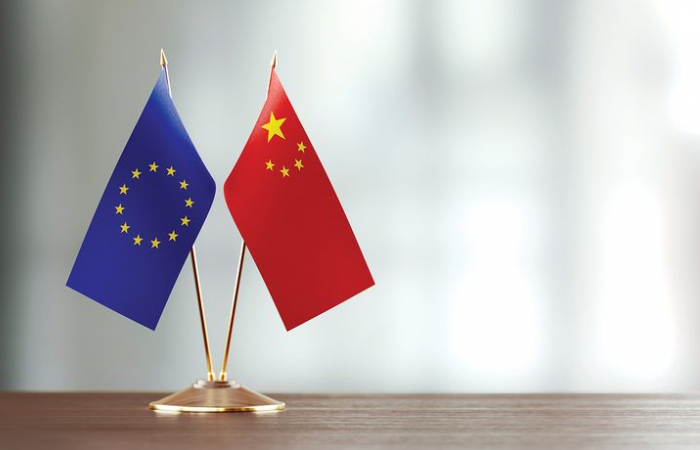
The European Union must take the lead. It must also engage with China on a case-by-case, topic-by-topic basis. This will be a long and laborious process. But the rules of the game, and the assumptions that underpinned them, have changed, or at best are being challenged. It is time for a global rethink.
(Click the image to read the full Monday Commentary).