Ukraine's parliament, the Verkhovna Rada, voted on Thursday (July 16) to appoint Serhiy Koretsky as the country's new prime minister, approving President Volodymyr Zelenskyy's nomination with 289 votes as part of a broader wartime government reshuffle. The appointment comes as Ukraine seeks to strengthen its leadership while facing continued Russian attacks and preparing its energy system for another challenging winter.
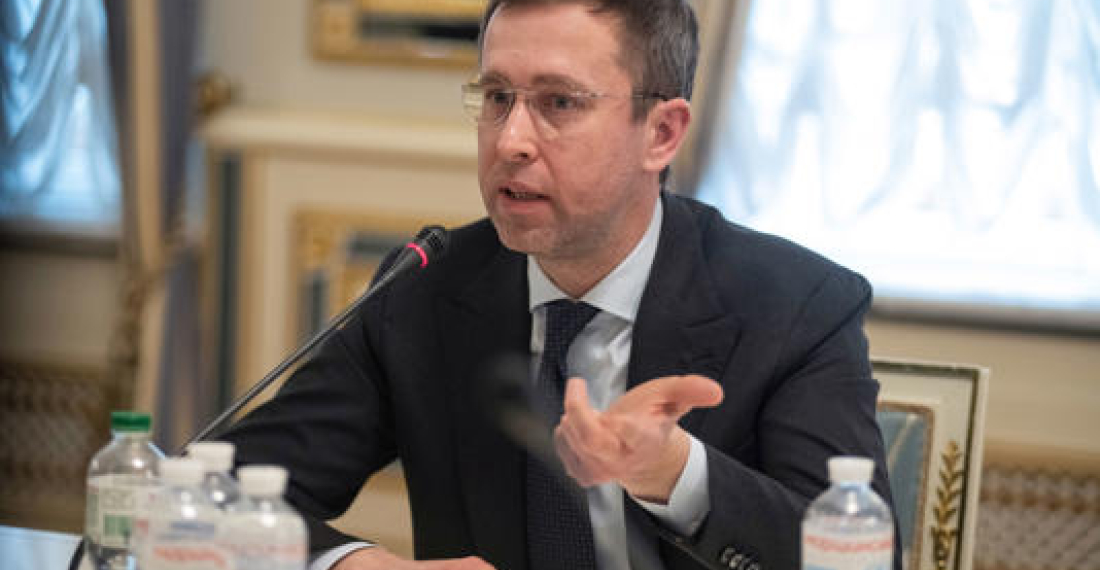
Koretsky, 48, took over the state-owned energy company Naftogaz in May 2025 after previously leading the state oil producer Ukrnafta. Although he has no previous political career, he has earned a reputation as an experienced crisis manager in Ukraine's energy sector, overseeing key infrastructure during repeated Russian strikes. During his address to parliament before the vote, he pledged to "do everything in his power to be useful to the state here and now," outlining priorities such as supporting the armed forces, preparing the country for winter, assisting frontline communities, and strengthening cooperation with international partners, including advancing Ukraine's accession to the European Union.
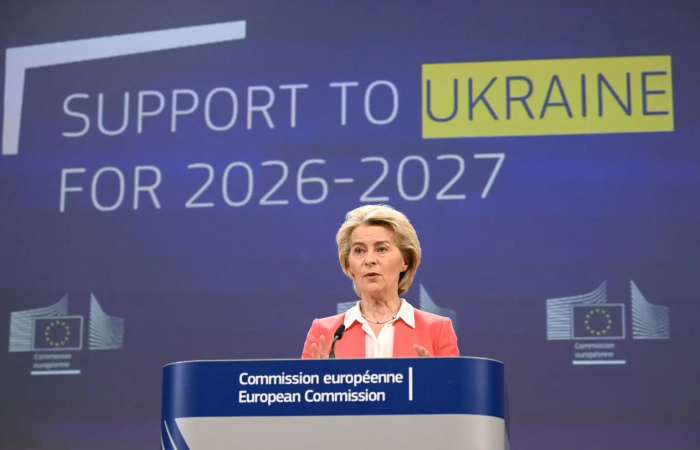
Speaking the previous day alongside European Commission President Ursula von der Leyen in Kyiv, Zelenskyy described Koretsky as "probably the most prepared person" for the position after extensive consultations. The president said the government's renewed focus would be on strengthening energy resilience and intensifying efforts to achieve a ceasefire.
Following the confirmation, von der Leyen congratulated Koretsky in a post on X, saying she looked forward to continuing the European Union's "excellent cooperation" with Ukraine. She added that she was confident he would place Ukraine's European integration "at the heart of the country's transformation effort" and assured him that he could count on the EU's "full support" as his government pursues its ambitious reform agenda.
The appointment follows the resignation of former Prime Minister Yulia Svyrydenko, whose dismissal automatically triggered the resignation of the entire cabinet. While the Parliament has already approved most of the new ministerial appointments, the foreign and defence ministries are still awaiting confirmation. Zelenskyy has nominated Interior Minister Ihor Klymenko to replace Defence Minister Mykhailo Fedorov, whose dismissal after only six months in office has become the most controversial element of the reshuffle. Fedorov, a former digital transformation minister widely credited with accelerating Ukraine's drone capabilities, modernising military procurement and promoting technological innovation, reportedly clashed with Commander-in-Chief Oleksandr Syrskyi over military reforms and mobilisation policy.
According to Yaroslav Zheleznyak, a member of parliament, the new chiefs of the Ministry of Foreign Affairs and the Ministry of Defence are expected to be appointed at a plenary session on 18 August.
In reaction to the protests against Fedorov’s dismissal, Zelenskyy said it was important that Ukrainians could continue to hold peaceful demonstrations and express their views despite the ongoing war.
Source: commonspace.eu with Euronews (Brussels), Atlantic Council (Washington DC), and Kyiv Post (Kyiv).