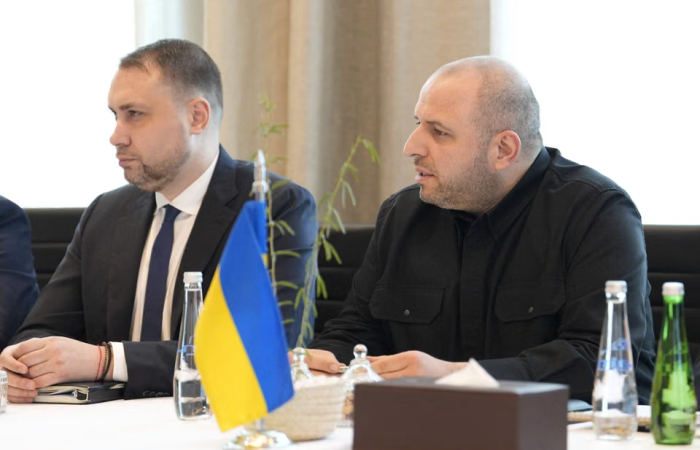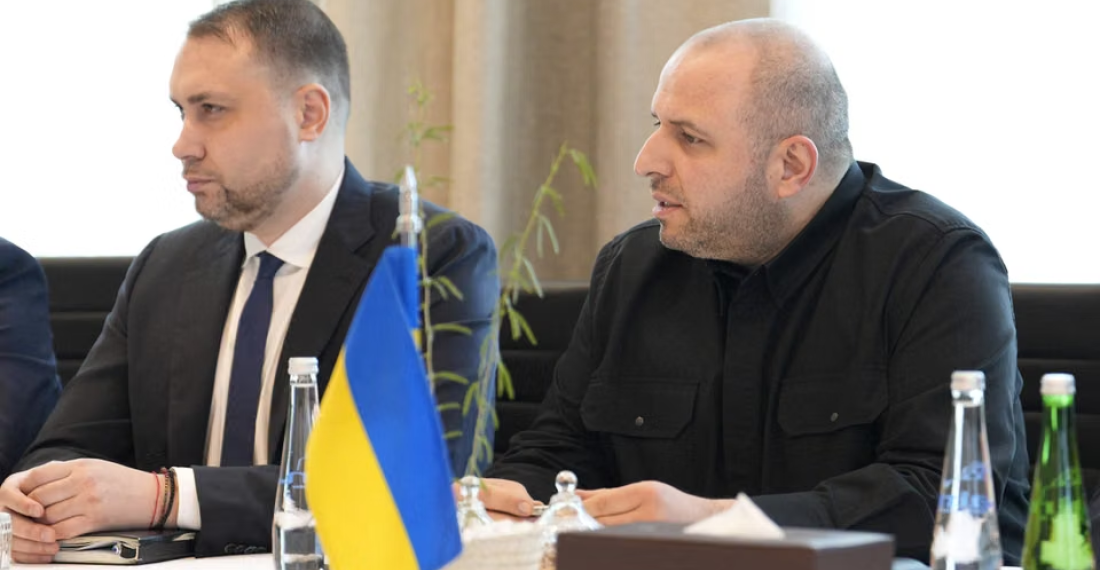
Trilateral negotiations between Russia, Ukraine and the United States resumed in Abu Dhabi on Wednesday, November 11. The second day of meetings follows an initial round of discussions that received positive assessments from Kyiv and Washington but exposed continuing divisions over the terms of a potential peace agreement. The talks, brokered by the United States, address prisoner exchanges, security guarantees and possible de-escalation, while territorial disputes remain the central obstacle to an agreement.
Ukrainian President Volodymyr Zelenskyy described Tuesday's discussions as “constructive and quite substantive”, while US Secretary of State Marco Rubio referred to them as “very productive”. US envoys Jared Kushner and Steve Witkoff reportedly told participants that Washington had narrowed the differences between the two sides. Kushner also raised the possibility of developing a new European security framework. However, the US administration has provided few details about concrete progress.
Meanwhile, Russian Foreign Minister Sergei Lavrov rejected the prospect of a ceasefire, accusing European countries of seeking a temporary truce to facilitate the deployment of foreign troops to Ukraine. He also dismissed the presence of European representatives in Abu Dhabi, saying: “Well, they flew to Abu Dhabi. Let them sit there.” European officials have held separate consultations with Ukrainian and American representatives but remain excluded from the trilateral negotiations, despite Washington signalling that their participation could eventually be considered.
Territorial control seems to be an issue that the parties are unable to resolve. Russia continues to demand the entire Donbas region, including territories it has not captured, while Ukraine refuses to relinquish its land. A senior US official indicated that both sides had demonstrated some flexibility privately, but stressed that territorial arrangements could not be resolved before Ukraine's post-war security guarantees were established.
Simultaneously, military escalation continues. On November 11, Ukrainian Prime Minister Sergii Koretskyi reported Russian strikes against six major electricity substations across four central regions, as well as railway infrastructure. Russia also reported targeting Ukrainian military-related facilities and a cargo vessel near Odesa. Meanwhile, NATO fighter jets were activated following overnight drone alerts in Lithuania, Latvia and Estonia.
European divisions over continued assistance to Kyiv further complicate the diplomatic environment. Germany's Chancellor Friedrich Merz faced opposition from Slovakia, Czechia, Hungary and Bulgaria after proposing to link the EU's next long-term budget to additional financial support for Ukraine. Conversely, Denmark announced a €643 million military assistance package and €20 million for Ukraine's energy sector on Tuesday.
As negotiations continue, the contrasting positions of Moscow, Kyiv and their Western partners highlight the considerable obstacles to reaching a settlement. The discussions have opened diplomatic channels, but fundamental disagreements over territory, security arrangements and Europe's future security architecture remain unresolved.
Source: commonspace.eu with Al Jazeera (Doha), France 24 (Paris). And Euronews (Brussels).