


On Tuesday (14 April), Lebanese and Israeli representatives are scheduled to meet in Washington for US-mediated peace talks.
Since Iran-backed Hezbollah entered the war on 2 March to avenge the death of Ali Khamenei, more than 2,000 people have been killed and more than one million have been displaced in Lebanon, despite international calls for a ceasefire. Israeli forces have also invaded south Lebanon.
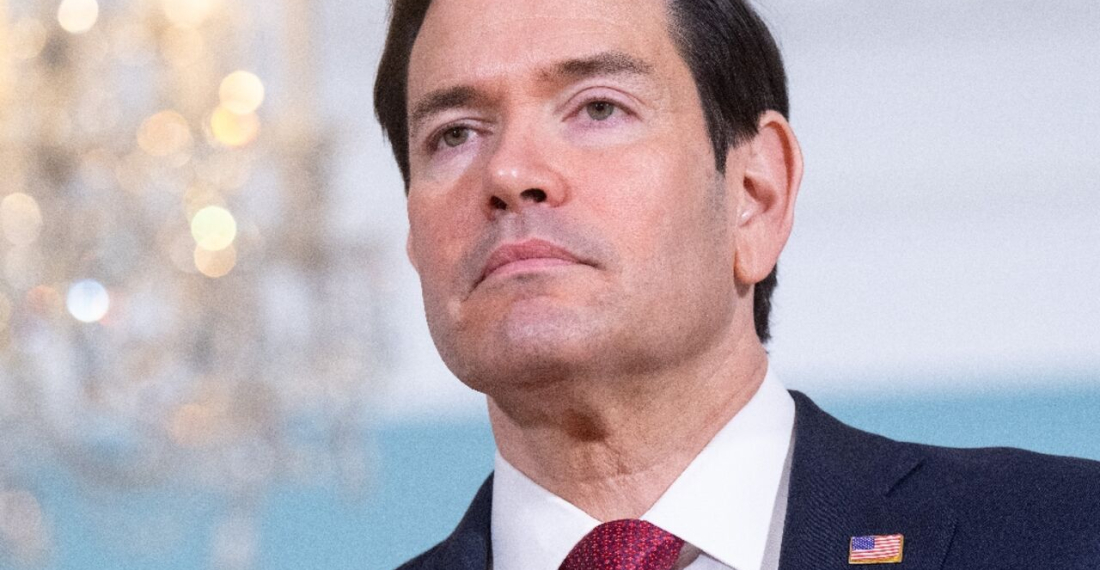
US Secretary of State Marco Rubio will mediate the Washington meeting, which will be attended by the Israeli and Lebanese ambassadors to Washington and the US ambassador to Beirut.
"The Israeli and Lebanese governments are engaging in open, direct, high-level diplomatic talks -- the first such talks since 1993 -- brokered by the United States," an anonymous State Department official said.
"This conversation will scope the ongoing dialogue about how to ensure the long-term security of Israel's northern border and to support the government of Lebanon's determination to reclaim full sovereignty over its territory," the official added.
Israeli Prime Minister Benjamin Netanyahu said Saturday that "we want the dismantling of Hezbollah's weapons, and we want a real peace agreement that will last for generations.”
On the Lebanese side, President Joseph Aoun said Monday he hoped the Washington talks will yield "an agreement... on a ceasefire in Lebanon, with the aim of starting direct negotiations between Lebanon and Israel."
It would take "a lot of imagination and optimism to think" that the issues between Israel and Lebanon can be solved in Washington Tuesday, a former Israeli defence official told journalists on condition of anonymity, adding that "expectations are low."



