


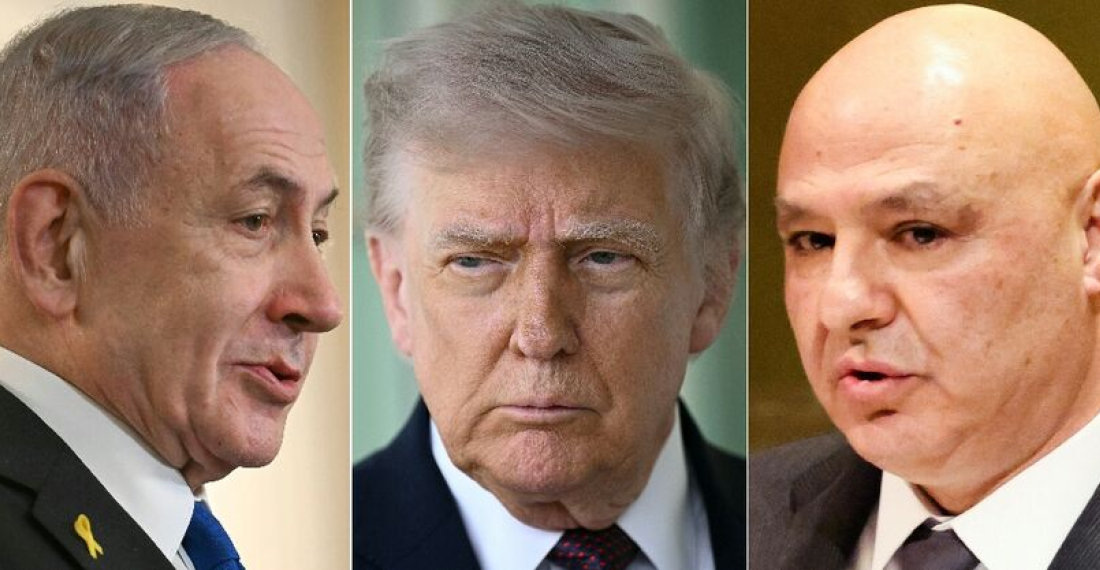
A 10-day ceasefire deal between Lebanon and Israel took effect on Friday (17 April), sending displaced residents towards their homes in southern Lebanon, even as the Lebanese army warned of "a number of violations" in the area.
The truce went into effect at midnight local time. The army told displaced residents of the southern border of Lebanon not to return, citing "several Israeli acts of aggression”.
As the ceasefire came into effect, Israel's military said it had struck over 380 "Hezbollah terror organization targets in southern Lebanon" and was on "high alert" to resume strikes.
Trump said he had spoken to both Israeli Prime Minister Benjamin Netanyahu and Lebanese President Joseph Aoun ahead of the truce, adding the pair had agreed to the truce "in order to achieve PEACE between their Countries".
He later said he expected Netanyahu and Aoun to visit the White House "over the next four or five days”.
Netanyahu said the truce offered an opportunity for a “historic peace agreement”, but maintained that the disarmament of Hezbollah remains a precondition.
Trump said Hezbollah was included in the ceasefire, but according to the US State Department, the truce committed Lebanon itself to dismantle the Iran-backed militant group.
A Hezbollah lawmaker told AFP that it would “cautiously adhere” to the ceasefire if Israel does not violate it. Netanyahu said Israel agreed to the truce, but that it would maintain a 10-kilometre “security zone” along the border.
Source: commonspace.eu with Agence France-Presse



