Theme

Conflict and Peace

Stories related to violent conflicts, diplomatic tensions, and conflict prevention, mediation and resolution.

Editor's choice
News
NATO Chief says war is on Europe's doorstep, and warns against complacency

NATO Chief says war is on Europe's doorstep, and warns against complacency

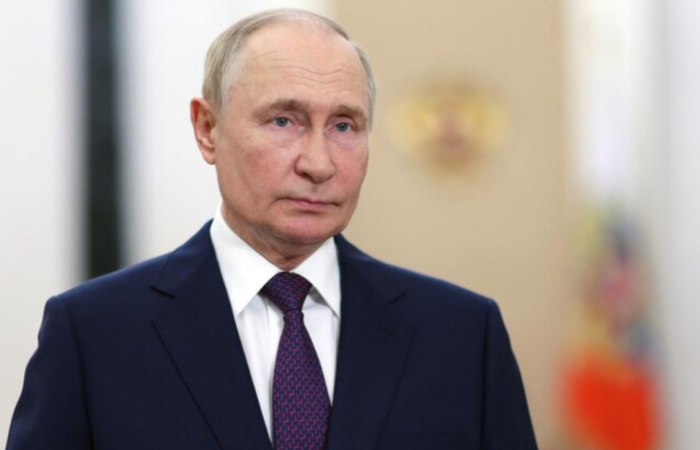
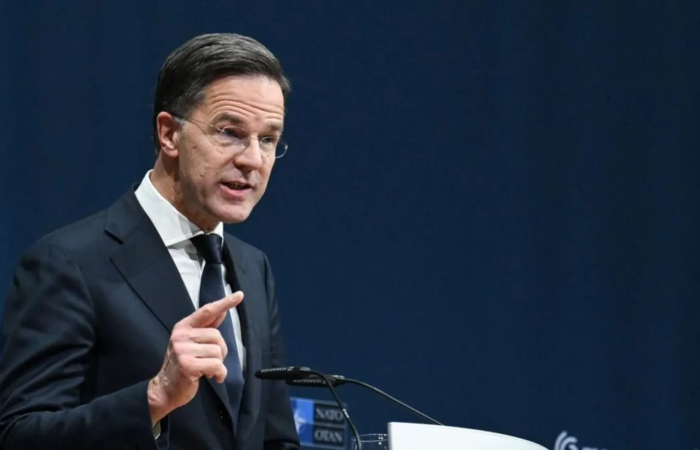
Russia could attack a NATO country within the next five years, the Secretary General of NATO, Mark Rutte, said in a stark new warning. "NATO's own defences can hold for now," Rutte warned in Berlin, but conflict was "next door" to Europe, and he feared "too many are quietly complacent, and too many don't feel the urgency, too many believe that time is on our side. "Russia is already escalating its covert campaign against our societies," Rutte said in a speech in Germany. "We must be prepared for the scale of war our grandparents or great-grandparents endured." Earlier this month, Russia's President Vladimir Putin said his country was not planning to go to war with Europe, but it was ready "right now" if Europe wanted to - or started a war. But similar reassurances were given by Moscow in 2022, just before 200,000 Russian troops crossed the border and invaded Ukraine. Putin has accused European countries of hindering US efforts to bring peace in Ukraine - a reference to the role Ukraine's European allies have recently played in trying to change a US peace plan to end the war, whose initial draft was seen as favouring Russia. But Putin was not sincere, Nato's secretary-general said in the German capital, Berlin. Supporting Ukraine, he added, was a guarantee for European security. "Just imagine if Putin got his way; Ukraine under the boot of Russian occupation, his forces pressing against a longer border with Nato, and the significantly increased risk of an armed attack against us." Russia's economy has been on a war footing for more than three years now - its factories churn out ever more supplies of drones, missiles and artillery shells. According to a recent report by the Kiel Institute for the World Economy, Russia has been producing each month around 150 tanks, 550 infantry fighting vehicles, 120 Lancet drones and more than 50 artillery pieces. The UK, and most of its Western allies, are simply not anywhere near this point. Analysts say it would take years for Western Europe's factories to come close to matching Russia's mass-production of weapons. "Allied defence spending and production must rise rapidly, our armed forces must have what they need to keep us safe," the Nato chief said.
Editor's choice
News
Thai-Cambodia border clashes enter fourth day

Thai-Cambodia border clashes enter fourth day

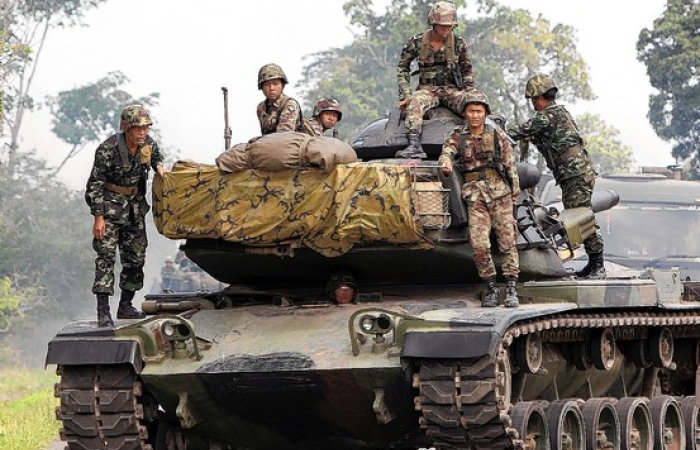
Renewed fighting between Thailand and Cambodia has entered its fourth day, with both sides accusing one another of violating international law, as they await a promised phone call from United States President Donald Trump. Cambodia’s Ministry of Defence accused Thailand’s military of carrying out numerous attacks within the country in the early hours of Thursday morning, including deploying tanks and artillery to strike targets in the country’s Pursat, Banteay Meanchey, and Oddar Meanchey provinces. In one such attack, Cambodia accused Thai soldiers of violating international humanitarian law by firing on civilians in Prey Chan village in Banteay Meanchey province. In another, it accused Thai forces of shelling “into Khnar Temple area”, and said Thai forces had also “fired artillery and support fire into the O’Smach area”. “Cambodia urges that Thailand immediately stop all hostile activities and withdraw its forces from Cambodia’s territorial integrity, and avoid acts of aggression that threaten peace and stability in the region,” the Defence Ministry said. Clashes took place on Wednesday at more than a dozen locations along the contested colonial-era demarcated 817-kilometre (508-mile) Thai-Cambodian border, with some of the most intense fighting being reported since a five-day battle in July, which saw dozens killed on both sides. Cambodia’s Ministry of the Interior said homes, schools, roads, Buddhist pagodas and ancient temples had been damaged by “Thailand’s intensified shelling and F-16 air strikes targeting villages and civilian population centres up to 30km [18.6 miles] inside Cambodian territory”. (click the image to read the full story).

Filter archive

Publication date
Editor's choice
News
US to provide $20 million in security assistance to Armenia

US to provide $20 million in security assistance to Armenia

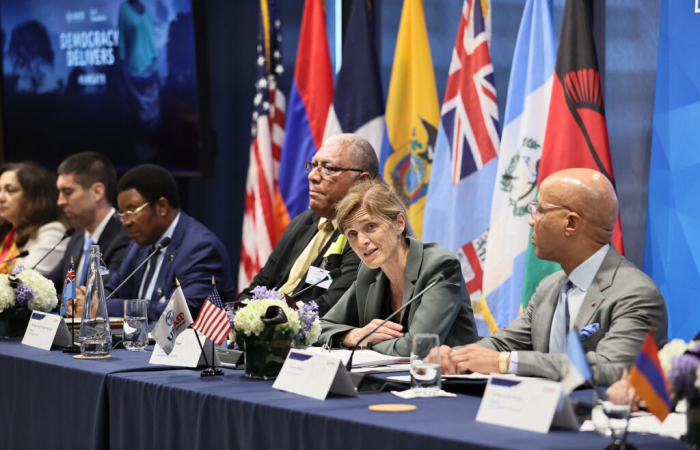
The United States has announced a $20 million aid package to strengthen Armenia's cyber, border and energy security, USAID Administrator Samantha Power announced at a Democracy Delivers Initiative event in New York. The event, co-hosted by US Secretary of State Antony Blinken, was attended by Armenian Prime Minister Nikol Pashinyan.
Editor's choice
News
Hezbollah rocket targets Tel Aviv for first time, Israeli intelligence headquarters targeted

Hezbollah rocket targets Tel Aviv for first time, Israeli intelligence headquarters targeted

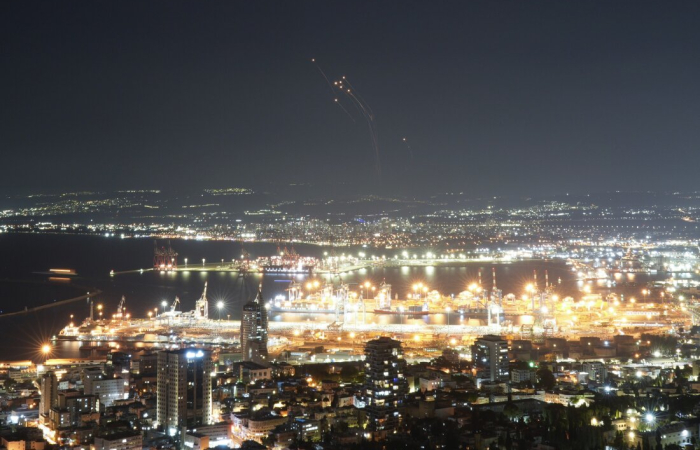
The Lebanese militant group Hezbollah fired a rocket at the Israeli city of Tel Aviv on Wednesday morning (25 September) for the first time since the Gaza war broke out almost a year ago. It is also Hezbollah's deepest strike inside Israel. The militant movement's target was the headquarters of Mossad, Israel's secret service. The missile was intercepted by Israel.
Editor's choice
Opinion
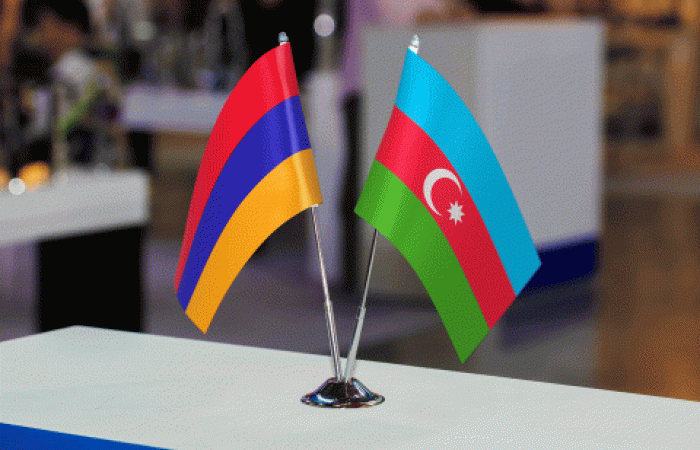
External interventions undermine Armenia-Azerbaijan peace process

External interventions undermine Armenia-Azerbaijan peace process

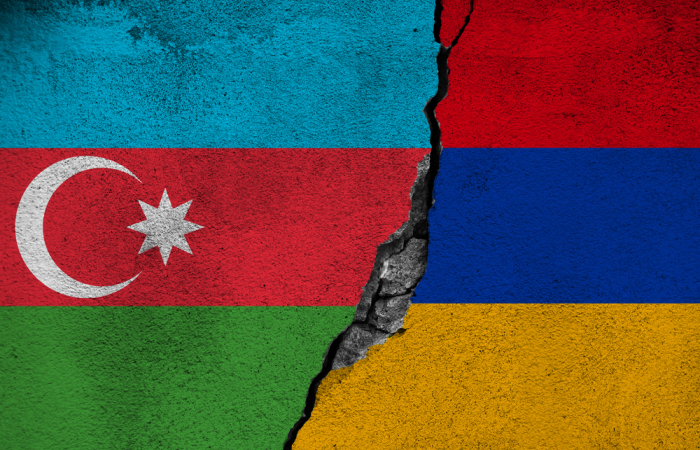
The conflict between Armenia and Azerbaijan, two republics in the South Caucasus, has never been solely about their bilateral relations. Regional and distant powers have long sought to influence the conflict, pursuing their own strategic interests. This dynamic persisted even after the Second Karabakh War (27 September – 10 November 2020), which ended the core dispute between Armenia and Azerbaijan by bringing an end to the occupation of Azerbaijan’s Karabakh region. As the fourth anniversary of the war’s onset – also known as the 44-Day War – approaches, Baku and Yerevan continue to struggle with the peace process. Meanwhile, the most significant post-war initiative, the reopening of regional transportation and communication links, is facing increasing complications. Today, the often destructive involvement of external powers has become a major obstacle to the normalisation of Armenia-Azerbaijan relations and the implementation of regional transport projects.
Editor's choice
News
Russian air strikes kill seven people in Lviv, Ukraine

Russian air strikes kill seven people in Lviv, Ukraine

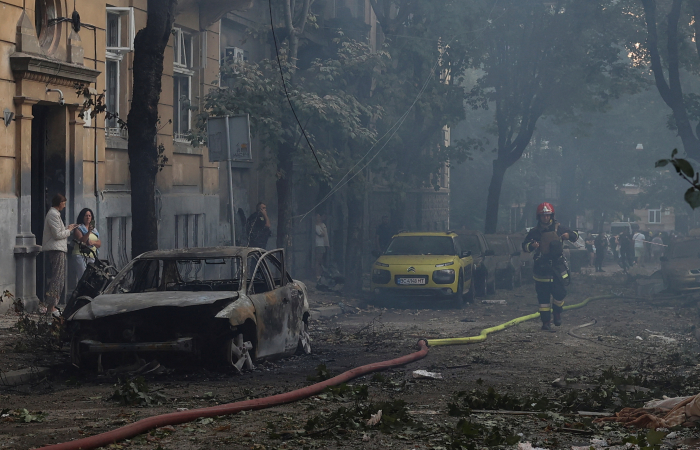
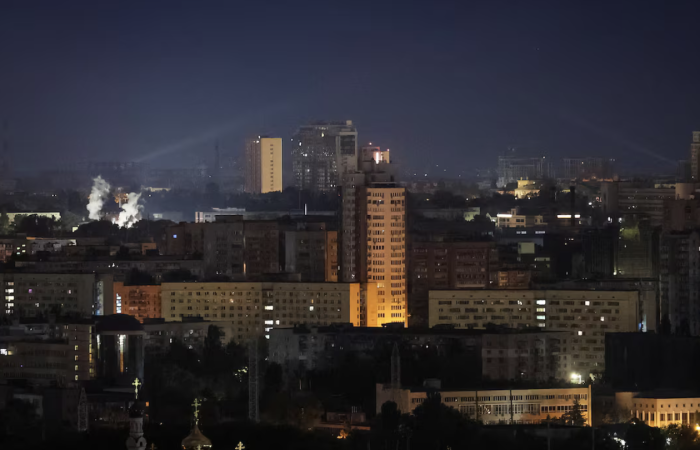
A major Russian air strike on Lviv, a city in western Ukraine near the border with NATO member Poland, killed seven people, wounded more than 30 and caused extensive damage to historic buildings in the city centre, regional officials said on Wednesday (4 September). The attack came a day after Russia's deadliest single attack this year, when two ballistic missiles hit a military institute in the central Ukrainian city of Poltava, killing 50 people and injuring hundreds more. Meanwhile, neighbouring Poland scrambled jets to secure its airspace for the third time in eight days.
Editor's choice
Opinion
Armenia–Azerbaijan normalisation is unlikely without solving humanitarian issues

Armenia–Azerbaijan normalisation is unlikely without solving humanitarian issues

Since the 2020 Nagorno-Karabakh War, negotiations between Armenia and Azerbaijan have gone through a series of ups and downs that often resemble a rollercoaster. Periods of heightened optimism have been followed by abrupt breaks in talks, as seen in late 2022 and 2023. After Armenia and Azerbaijan signed a joint statement in December 2023, early 2024 brought renewed hope to the process. In March-April 2024, Yerevan accepted Azerbaijani demands concerning four villages along the northern part of their shared border. Azerbaijan announced its intention to make the COP29 United Nations Climate Summit in Azerbaijan in November 2024 a “COP of peace,” fostering a growing belief that an agreement might be reached by that date. However, the new or reinforced sine qua non-preconditions by President Aliyev—such as amendments to the Armenian constitution and the dissolution of the Organization for Security and Cooperation in Europe (OSCE) Minsk Group established to seek a peaceful solution to the Nagorno-Karabakh conflict—have significantly dampened expectations that even a framework agreement outlining basic principles could be signed by the end of 2024.
Editor's choice
News
Greek-flagged oil tanker attacked in Red Sea not leaking oil

Greek-flagged oil tanker attacked in Red Sea not leaking oil

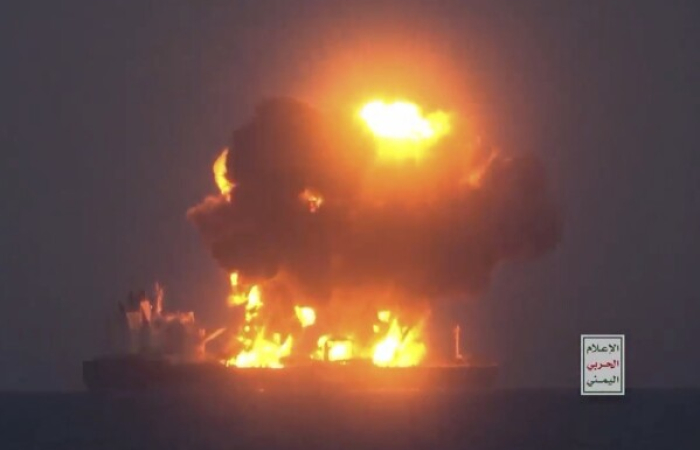
The European naval mission Aspides in the Red Sea says the Greek oil tanker Sounion, which was attacked by Houthi rebels, does not appear to be leaking oil. The tanker is carrying 150,000 tonnes of crude oil. If it leaked into the sea, it would cause an environmental disaster.
Editor's choice
News
Belarus says it has increased military presence near Ukrainian border

Belarus says it has increased military presence near Ukrainian border

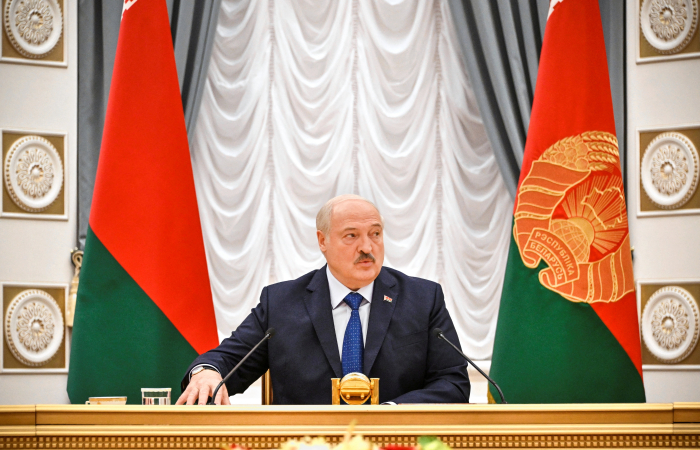
Belarus said on Monday (19 August) that it had sent more troops to its border with Ukraine. A day earlier, President Alexander Lukashenko said nearly a third of the Belarusian army was stationed on the border, although he did not give exact figures. Belarusian General Andrei Lukyanovich said this included anti-aircraft troops.