Editor's choice
This is a members’ functionality. Please
Sign upNews
Trending
Russia and Ukraine Agree to Major Prisoner Exchange as Abu Dhabi Peace Talks Make Limited Progress
12 November 2026
Russia and Ukraine agreed to what US envoy Jared Kushner described as the largest prisoner exchange of the war following two days of US-mediated negotiations in Abu Dhabi on November 10–11. However, the discussions produced limited progress towards a broader peace agreement, with territorial disputes and disagreements over Europe’s security architecture remaining unresolved.
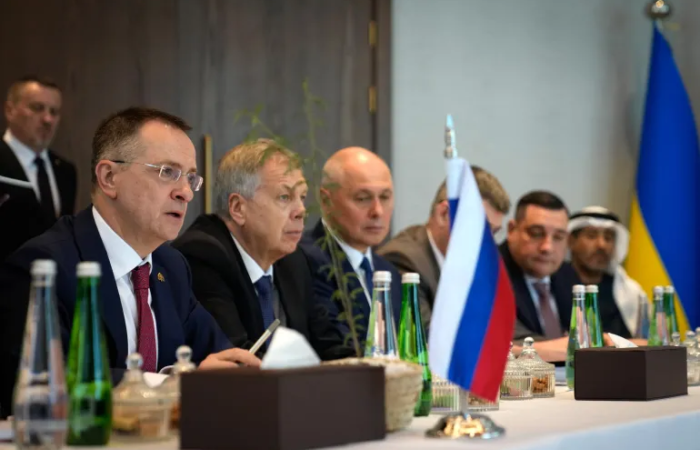
The trilateral talks, led by US President Donald Trump’s envoys Kushner and Steve Witkoff, brought together senior Russian and Ukrainian delegations for the first negotiations of this format since February. The proposed humanitarian exchange could involve 1,000–1,200 prisoners from each side, although the final figures had yet to be confirmed. Kushner said the agreement could help reunite families, build trust and generate momentum towards peace.
Ukrainian negotiator David Arakhamia described the discussions as difficult, citing the Russian delegation’s “very, very strict directives”. Nevertheless, he reported progress on security guarantees for Ukraine, expressing hope that an agreement could be reached before the end of the year. Ukrainian delegation head Rustem Umerov similarly acknowledged that substantial work remained but said opportunities existed to continue negotiations.
Territorial disagreements remained a major obstacle. Moscow continues to demand control over the entirety of the Donbas, including territories held by Kyiv, as well as additional areas in southern Ukraine. Russia’s chief negotiator, Vladimir Medinsky, reiterated Moscow’s position, stating that “every inch of our land will be returned to Russia”. Kyiv, meanwhile, maintains that a ceasefire should precede negotiations over territorial arrangements.
Disagreements also extended to the future of European security. Medinsky called for a “new, modern Yalta”, referring to the 1945 settlement between the Allied powers, and argued that negotiations should address the wider European security order. European governments have expressed concern that Washington and Moscow could discuss arrangements affecting NATO’s presence in eastern Europe without their participation. Representatives from Britain, France, Germany, Italy, NATO and the EU attended meetings alongside the Abu Dhabi negotiations, although they did not participate directly in the trilateral discussions.
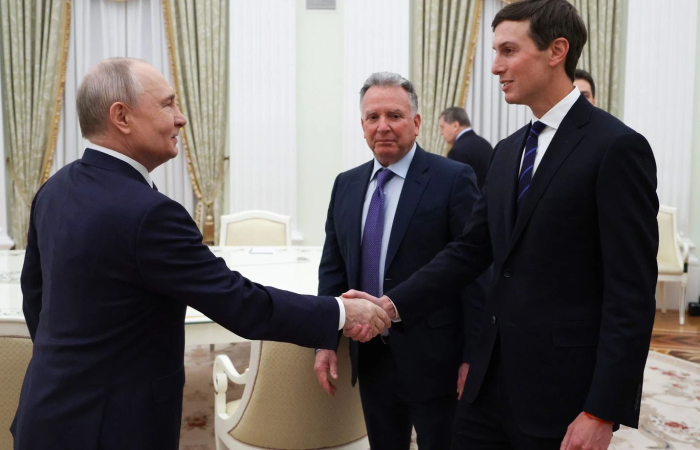
On Thursday (November 12), Kushner and Witkoff arrived in Moscow for discussions with Russian President Vladimir Putin. They are subsequently expected to travel to Dublin to meet Ukrainian President Volodymyr Zelenskyy and European partners. Zelenskyy, who expressed hope for a possible diplomatic opening before 2027, stressed the importance of obtaining concrete proposals from Washington.
Meanwhile, military operations continued alongside diplomatic efforts. Russia launched drone attacks against Kyiv and other Ukrainian regions, while Ukraine struck the Ust-Luga port in Russia’s Leningrad region, a significant hub for Russian energy exports.