Region

Global

Stories in this section cover various issues and stories from all around the world.

Editor's choice
Monday Commentary
Monday Commentary: Europe still needs the OSCE

Monday Commentary: Europe still needs the OSCE

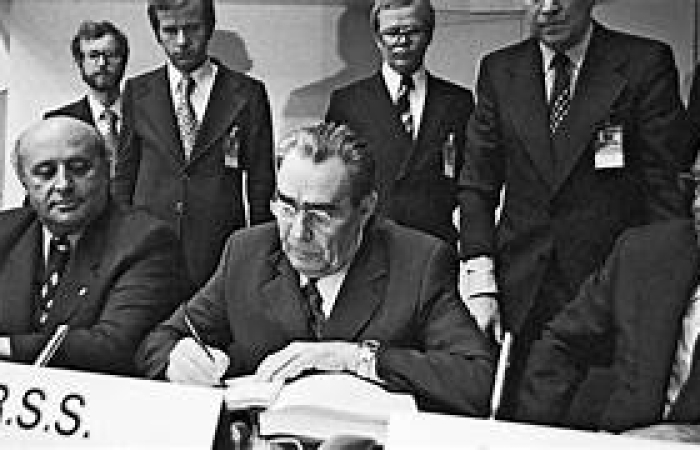
The Ministerial Council of the Organisation for Security and Co-operation in Europe (OSCE) will have its annual meeting in Vienna on 4-5 December. Foreign Ministers from the 57 member states, which also include the United States and Canada, and the Central Asian republics, and 11 partner countries, will congregate to discuss the future of European Security at a time when many believe that war in Europe over the next decade is likely. Ukraine is just a rehearsal for Russia’s ultimate ambitions. British diplomacy used to describe the OSCE as “the organization to manage Russia”. It has not done a good job of that, but this task remains paramount. The Ministerial Council will be the last major business of this year’s chairmanship, Finland, and will launch the new Chairmanship for 2026, Switzerland. The OSCE has been moribund for some time, and Russia’s invasion of Ukraine in February 2022, nearly ended it. But Europe still needs the OSCE, and there is hope that it will take a new lease of life in 2026. Switzerland has held the Chairmanship of the OSCE twice before, successfully. It has the experience, a wide network of embassies, and an able team in Bern, to successfully start what is likely to be a long and laborious journey. The new Chairman-in-office is Swiss Federal Foreign Minister Councillor, Ignazio Cassis. Cassis is also the current Vice President of the Swiss Confederation, and is fluent in Italian, English, German and French. Quite unusual also is the fact that currently the General Secretary of the OSCE is a Turk. Feridun Sinirlioğlu is an experienced Turkish diplomat, who has held the position for a year. Between them, Cassis and Sinirlioğlu will have to craft out the new OSCE, but in the end, it will largely depend on the will of the member states, including Russia. A new, reborn, OSCE, must understand that its core task remains European peace and security. It should resist the temptation of “looking busy” with a lot of secondary things. After peace and security return to Europe, it can consider other tasks. But we are far away from that yet. (Click the image to read the full commentary)
Editor's choice
News
Pope's visit to Türkiye and Lebanon has a strong ecumenical character, and places interreligious dialogue at its centre

Pope's visit to Türkiye and Lebanon has a strong ecumenical character, and places interreligious dialogue at its centre

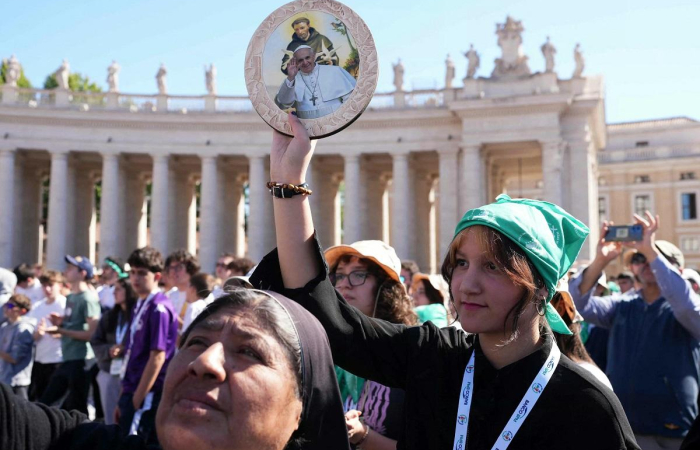
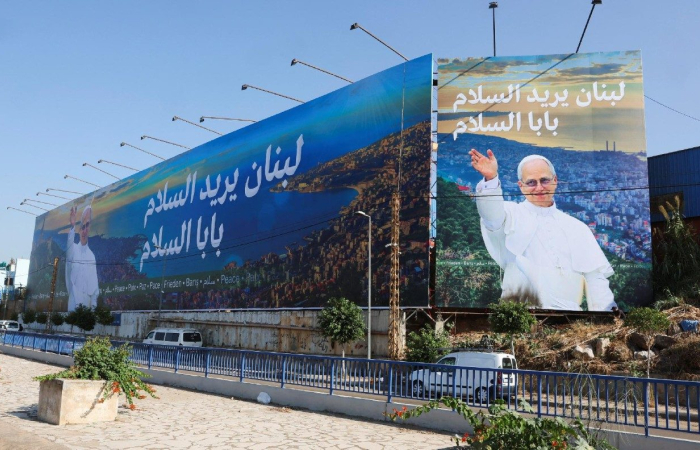
Pope Leo XIV has begun the first overseas trip of his pontificate, a six-day visit to Türkiye and Lebanon, which started yesterday (27 November) and ends on Tuesday (2 December). According to Vatican Radio, the visit "carries a strong ecumenical character and places interreligious dialogue at its centre. It will also be a moment of closeness to Christian communities and local populations across the region".   During nearly a week in the region, Pope Leo XIV will meet civil and religious authorities, visit mosques and ancient churches, pray at Beirut’s port in memory of the victims of the 2020 explosion, and hold private meetings with Presidents Recep Tayyip Erdoğan and Joseph Aoun.   A highlight of the visit will be a visit to Nicaea, where the Pope will mark the anniversary of the Council of Nicaea. Christians of many traditions recognise the Council of Nicaea as a foundation of shared faith. One of the most anticipated moments will be the Pope’s encounter with Lebanese youth in Bkerké, at the Maronite Patriarchate, a meeting expected to carry strong messages of hope in the Jubilee Year. A central event will be the ecumenical celebration in İznik, where the Pope and Ecumenical Patriarch Bartholomew will walk together toward the ruins of the Basilica of St Neophytos. The prayer, held before icons of Christ and the Council, will conclude with the lighting of a candle—a symbolic gesture of unity. The journey will also highlight interreligious engagement.   Memorable moments are expected throughout the trip: a wreath at Atatürk’s mausoleum, prayer inside the Blue Mosque, Mass at Istanbul’s Volkswagen Arena, the planting of a cedar at the presidential palace in Beirut, and prayer at the tomb of St Charbel in Lebanon. The Vatican said that "Pope Leo XIV’s pilgrimage to Türkiye and Lebanon aims to offer a voice of peace, unity, and hope at the heart of the Middle East."

Filter archive

Publication date
Editor's choice
News
Israel approves plans to capture the entire Gaza Strip

Israel approves plans to capture the entire Gaza Strip

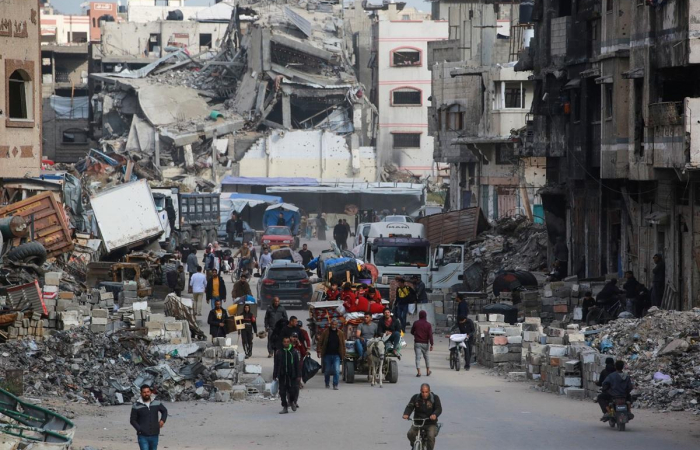
Israel approved plans on Monday to capture the entire Gaza Strip and remain in the territory for an unspecified amount of time, two Israeli officials said, in a move that if implemented would vastly expand Israel’s operations in the Palestinian territory and likely bring fierce international opposition. Israeli Cabinet ministers approved the plan in an early morning vote, hours after the Israeli military chief said the army was calling up tens of thousands of reserve soldiers. 
Editor's choice
Monday Commentary
For Trump the problem is not Ukraine, it is China

For Trump the problem is not Ukraine, it is China

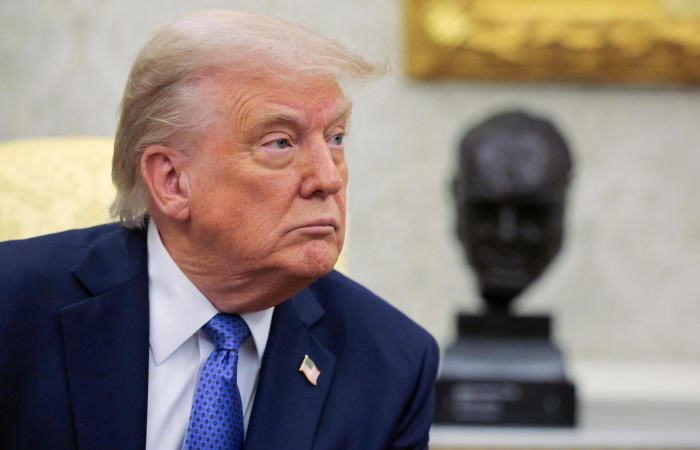
Many of us have watched with incredulity as US President Donald Trump sailed through his first one hundred days in office. Domestically, the period has been characterised by the biggest shake-up of the American Government in history based on an old Trumpian maxim, that Washington was a “swamp”, and one suspects also a wish to settle scores with an establishment that in the past had not hesitated in challenging the Trumpian reading of America and the world. On the international level, Trump focused in his first hundred days on Ukraine and tariffs. Certainly, there were plenty of other statements to fill the world headlines: Greenland, Panama Canal, Canada becoming the US 51st state, renaming the Gulf of Mexico, to name a few.
Editor's choice
News
US and Ukraine sign deal giving US access to country’s valuable mineral wealth

US and Ukraine sign deal giving US access to country’s valuable mineral wealth

The United States and Ukraine have signed a minerals deal after a two-month delay, in what President Donald Trump's administration called a new form of US commitment to Kyiv after the end of military aid. Ukraine said it secured key interests after protracted negotiations, including full sovereignty over its own rare earths, which are vital for new technologies and largely untapped. Trump had initially demanded rights to Ukraine's mineral wealth as compensation for US weapons sent under former president Joe Biden after Russia invaded just over three years ago.
Editor's choice
News
US threatens to give up mediation efforts unless Russia and Ukraine put forward "concrete proposals”

US threatens to give up mediation efforts unless Russia and Ukraine put forward "concrete proposals”

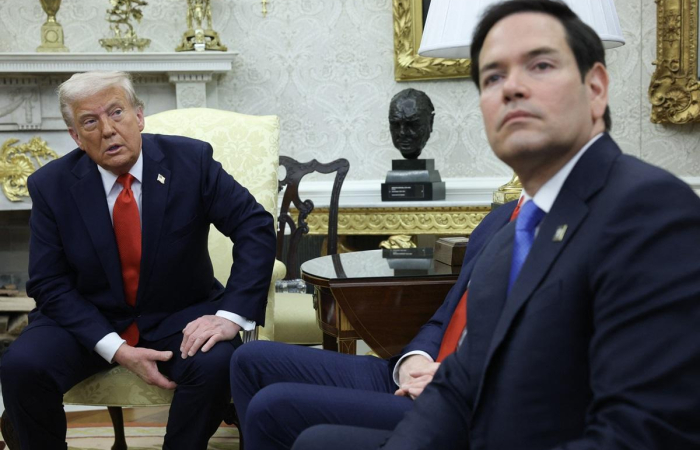
Secretary of State Marco Rubio warned on Tuesday that the United States would give up on mediation unless Russia and Ukraine put forward "concrete proposals," as US patience wanes on an early priority for Donald Trump. The US president had vowed to end the war in his first 24 hours back in the White House but, as Trump celebrates 100 days in office, Rubio has suggested the administration could soon turn attention to other issues.
Editor's choice
News
Mark Carney’s Liberal Party wins Election in Canada: World Leaders React

Mark Carney’s Liberal Party wins Election in Canada: World Leaders React

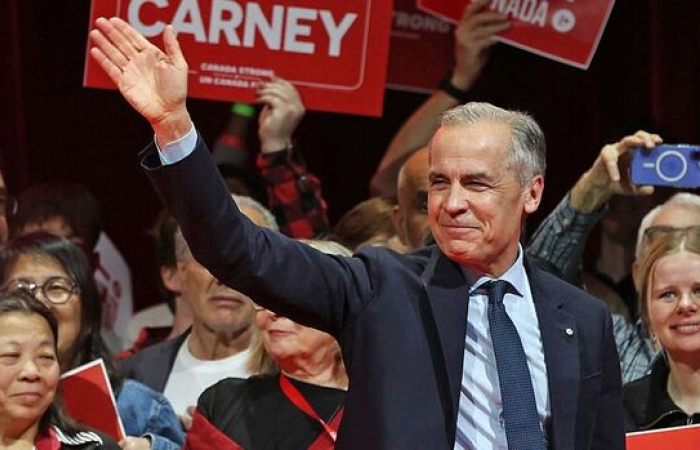
Prime Minister Mark Carney won Canada's election held on Monday, leading his Liberal Party to a new term in power after convincing voters his experience managing crises had prepared him to confront US President Donald Trump. The public broadcaster CBC and other outlets projected the Liberals would form Canada's next government, but it was not yet clear if they would hold a majority in parliament. 
Editor's choice
News
World spotlight on the conclave after Pope Francis is laid to rest

World spotlight on the conclave after Pope Francis is laid to rest

With Pope Francis laid to rest, all eyes turn now to the conclave, the secretive meeting of cardinals set to convene within days to elect a new head of the Catholic Church. Mourners were permitted to visit his tomb for the first time Sunday, a day after an estimated 400,000 people, including world leaders, turned out for the Argentine's funeral at the Vatican and burial in Rome.  The crowds were a testament to the popularity of Francis, an energetic reformer who championed the poorest and most vulnerable.
Editor's choice
News
Trump says Zelensky remarks on Crimea are inflammatory and can prolong the 'killing field'

Trump says Zelensky remarks on Crimea are inflammatory and can prolong the 'killing field'

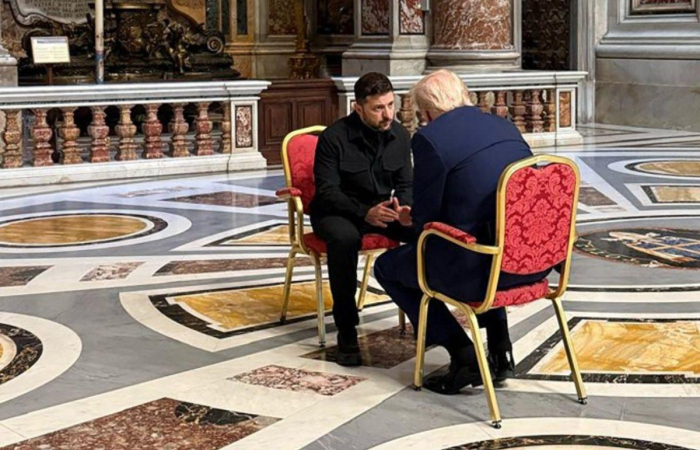
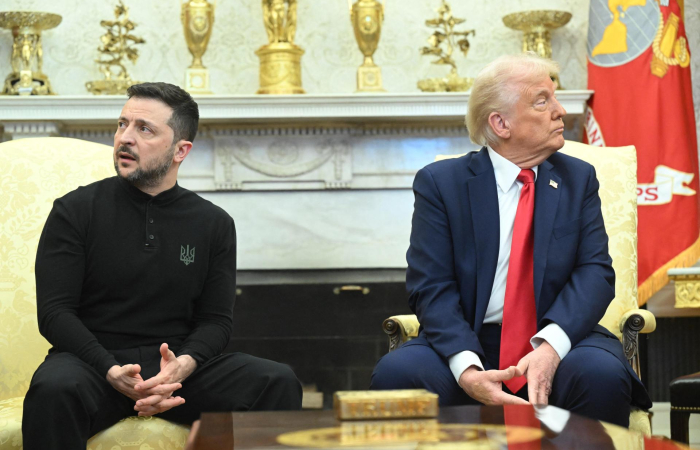
US President Donald Trump said a deal to halt the Ukraine war was "very close" but hit out at Ukrainian leader Volodymyr Zelensky over his refusal to formally cede Crimea to Russia. Trump's comments came as Vice President JD Vance warned that the United States would "walk away" unless Russia and Ukraine agree a peace deal, and as envoys from Washington, Kyiv and European nations gathered for downgraded talks in Britain.
Editor's choice
News
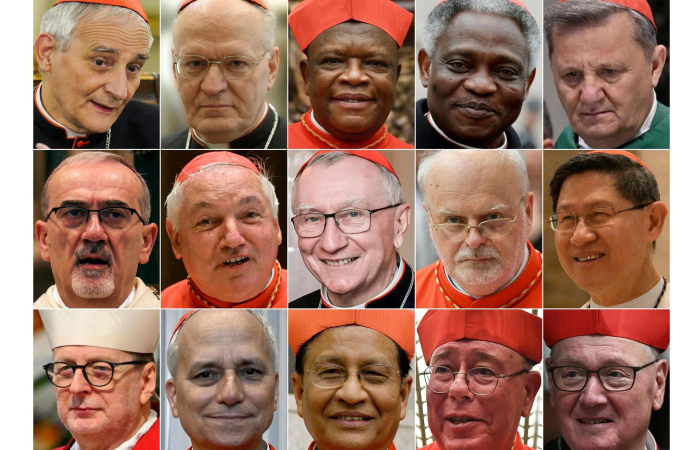
Potential successors to Pope Francis

Potential successors to Pope Francis

Heads of state are expected for the funeral of Pope Francis on Saturday in St. Peter’s Square while his body will be moved to St. Peter’s Basilica on Wednesday to lie in state for the Catholic faithful to pay their respects to the Argentine Pontiff remembered for his humble style, concern for the poor and insistent prayers for peace. The death of Pope Francis on 21 April aged 88 triggered a period of mourning in the Catholic Church, but also kick-started the race for his successor. Whether diplomats, theologians, mediators or Vatican insiders, here are 15 cardinals who are among the potential favourites to become the next pope, known as the "papabili", divided by region.