Region

EU plus

Stories in this section cover the EU-27 countries plus the UK, Norway, Switzerland, Iceland, Liechtenstein, Monaco, Andorra and the Balkan Countries (Albania, Serbia, Montenegro, Bosnia-Herzegovina, Kosovo, North Macedonia).

Editor's choice
Opinion
Opinion: The European Union must recognise that the C5 have now become the C6

Opinion: The European Union must recognise that the C5 have now become the C6

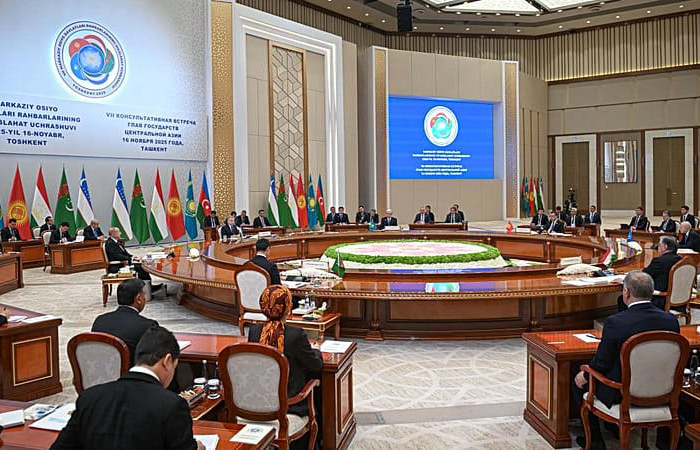
In recent years, Eurasia has undergone a structural transformation in how regions connect, trade, and cooperate. The combination of geopolitical shocks, disrupted supply chains, and the search for secure east–west routes has elevated the importance of the Trans-Caspian space. The states of Central Asia, once constrained by geography, have taken unprecedented steps to strengthen regional coordination, modernize infrastructure, and integrate more closely with Europe. Meanwhile, Azerbaijan has rapidly emerged as an indispensable connector linking Central Asia with the South Caucasus, Türkiye, and European markets. This new reality was formally acknowledged in November 2025 when Azerbaijan was unanimously welcomed as a full participant in the Consultative Meeting of Central Asian Heads of State in Tashkent. What had long been a C5 grouping transformed into a C6, marking a historic moment: the Caspian was no longer a frontier separating two regions but the center of a unified geopolitical and geo-economic space. President Ilham Aliyev described this alignment as the emergence of “a single geopolitical and geo-economic region,” while President Shavkat Mirziyoyev called Azerbaijan’s inclusion “historic” and proposed transforming the consultative platform into a structured regional institution capable of shaping security, economic, environmental, and digital policy. The Caspian is no longer a boundary; it is the heart of an integrated region. The transformation of the EU and U.S. C5+1 formats into C6+1 is the logical next step to ensure that both sides of the Caspian advance together – coherently, strategically, and with shared purpose. (click the image to read the full op-ed).
Filter archive

Publication date
Editor's choice
News
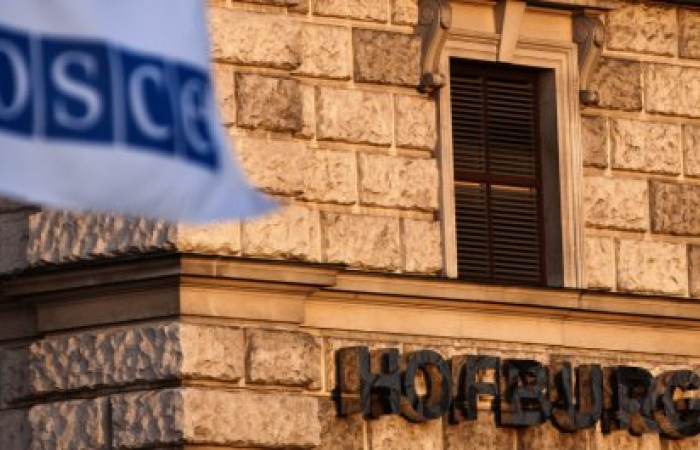
Italy takes over the chairmanship of OSCE for 2018

Italy takes over the chairmanship of OSCE for 2018

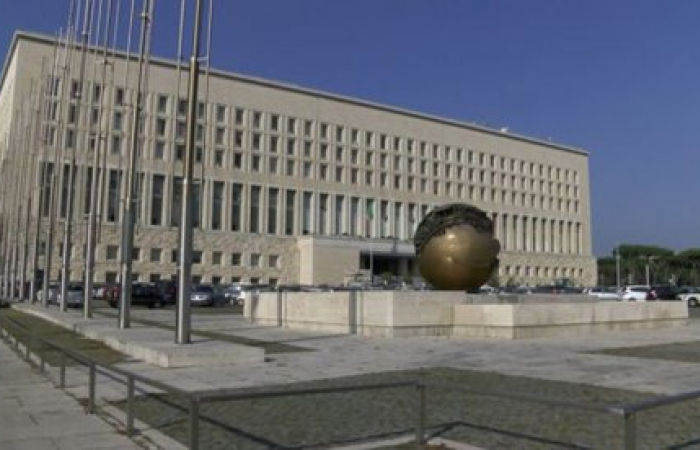
In the usual international musical chairs at the end of the year a number of countries have assumed responsability for different international organisations. Italy assumed the chairmanship of the Organisation for Security and Co-operation in Europe (OSCE) for 2018.
Editor's choice
News
Pope highlights plight of refugees during Christmas mass

Pope highlights plight of refugees during Christmas mass

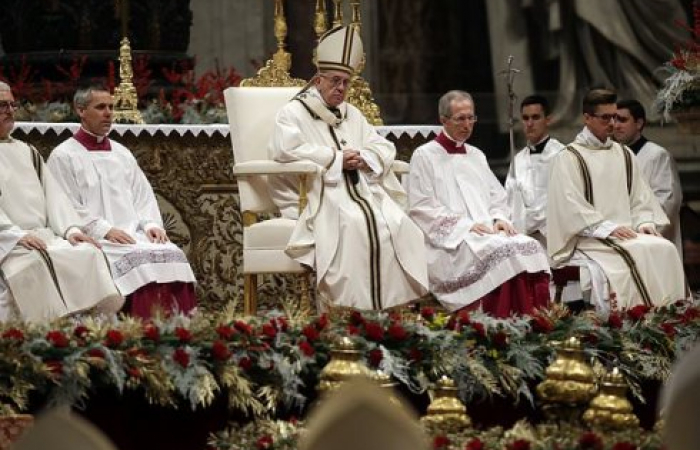
In the traditional Chritmas mass on Sunday night in Rome's St. Peter's Basilica, Pope Francis focused on the world refugees and displaced, saying that their footsteps followed those of the holy family during the night of the nativity
Editor's choice
News
European Court rules on the case of Armenian refugee

European Court rules on the case of Armenian refugee

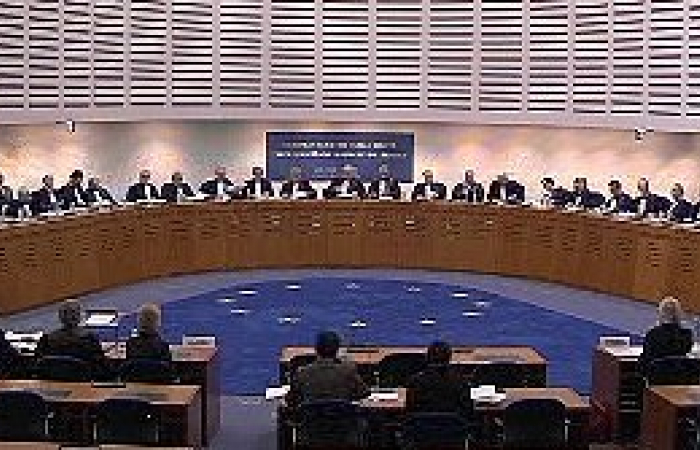
It held, unanimously, that the Azerbaijani Government had to pay the applicant 5,000 euros (EUR) in respect of pecuniary and non-pecuniary damage. The Court said that it was the responsability of the Armenian and Azerbaijani governments to find a solution on a political level to the Nagorno-Karabakh conflict.
Editor's choice
News
European Court rules on case of Azerbaijani IDPs

European Court rules on case of Azerbaijani IDPs

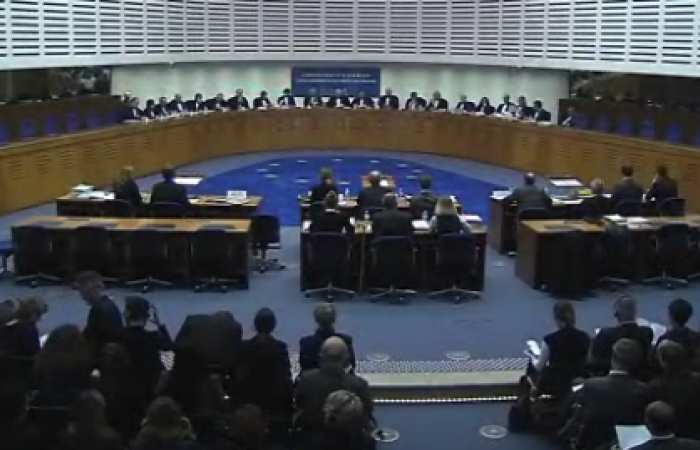
It held, unanimously, that the Armenian Government had to pay 5,000 euros in respect of pecuniary and non-pecuniary damage to each of the applicants. The Court said that it was the responsability of the governments of Armenia and Azerbaijan to find a solution on a political level to the Nagorno-Karabakh conflict.
Editor's choice
Opinion
Opinion: The Russian hug is eternal

Opinion: The Russian hug is eternal

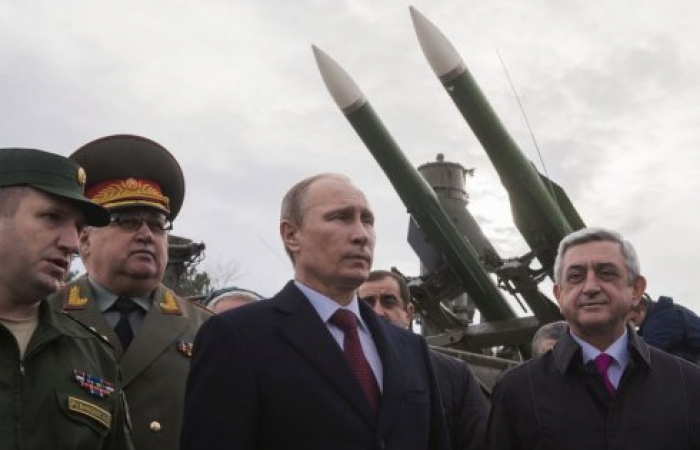
“Russian understanding of geopolitics believes in the decisive role of hard power and military might as a key component of both domestic and foreign policy. Russian-led integration projects, aim to include as many post-soviet states as possible, and once in never let them go out”, argues Benyamin Poghosyan in this op-ed.