Editor's choice
This is a members’ functionality. Please
Sign upGULF CRISIS
Trending
Shanghai Co-operation Organisation holds its annual summit in Bishkek
2 September 2026
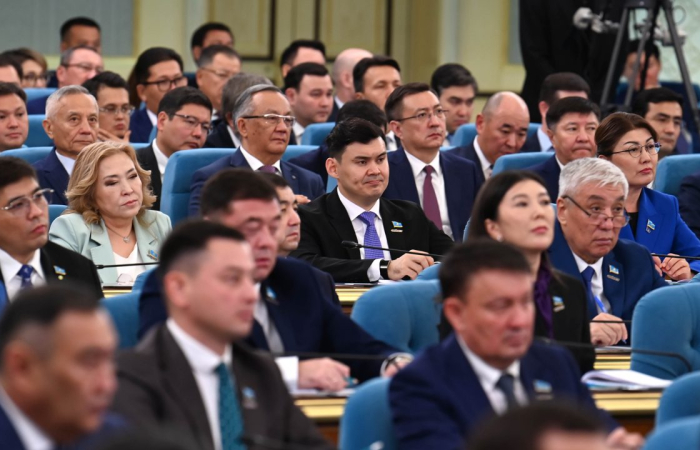
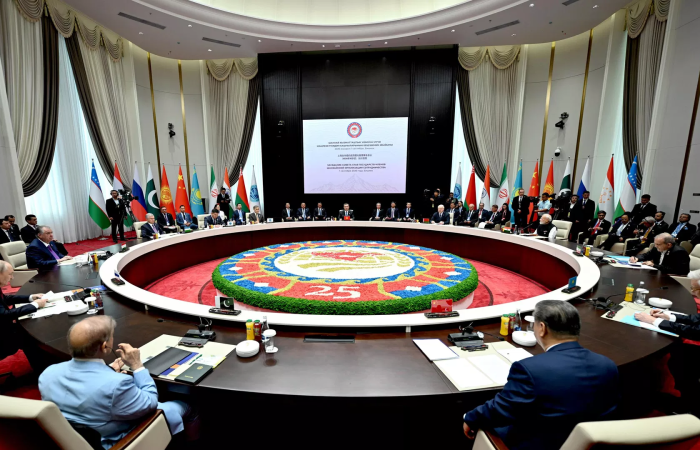
On 1 September 2026, the 26th meeting of the Council of Heads of State (CHS) of the Shanghai Cooperation Organisation (SCO) was held at the Yrys-Ordo Congress Hall (Bishkek) under the chairmanship of the President of the Kyrgyz Republic, Sadyr Japarov.
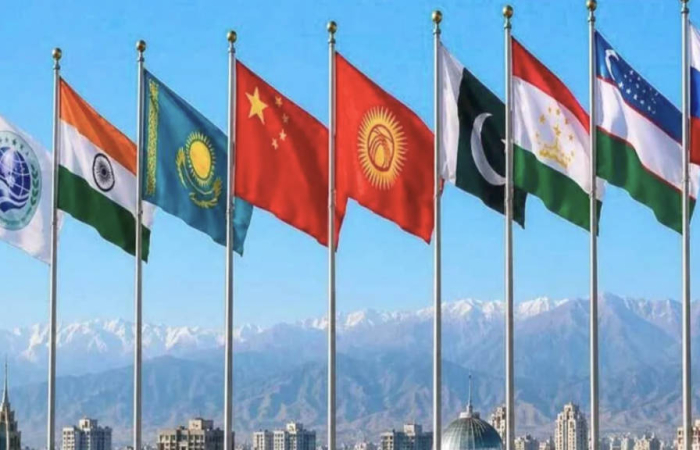
The meeting was attended by President of the Republic of Belarus Aleksandr Lukashenko, Prime Minister of the Republic of India Narendra Modi, President of the Islamic Republic of Iran Masoud Pezeshkian, President of the Republic of Kazakhstan Kassym-Jomart Tokayev, Prime Minister of the Islamic Republic of Pakistan Shehbaz Sharif, President of the Russian Federation Vladimir Putin, President of the Republic of Tajikistan Emomali Rahmon, President of the Republic of Uzbekistan Shavkat Mirziyoyev, as well as SCO Secretary General Nurlan Yermekbayev and Director of the Executive Committee of the SCO Regional Anti-Terrorist Structure Ularbek Sharsheev.
The summit focused on issues of multilateral cooperation across the full range of areas: politics, security, trade, investment, energy, industry, ecology, tourism, new technologies, as well as matters of improving the Organisation's activities and the international agenda. During the discussions, the leaders put forward a number of initiatives and proposals for the further development of cooperation within the SCO.
In his address, SCO Secretary General Nurlan Yermekbayev noted the active and effective chairmanship of the Kyrgyz Republic in the Organisation, emphasising its substantive and practical orientation.
The Secretary General also touched upon issues of enhancing the efficiency of the Organisation's activities and the effectiveness of its sectoral mechanisms. He noted that even in today's challenging conditions, the Organisation manages to develop common positions, maintain its peace-loving, non-bloc character, and mutual trust.
Nurlan Yermekbayev separately focused on the intensification of the SCO's interaction with international and regional organisations. Among the practical results, he highlighted the approval of the SCO–CSTO–CIS Roadmap and the holding of the first trilateral event in this format, the SCO obtaining observer status at the CIS, as well as the development of cooperation with the Eurasian Economic Commission, the UN Environment Programme, and the League of Arab States, and the signing of a Memorandum with the Central Asian Regional Information and Coordination Centre. Contacts have also been established with a number of other international structures.
The Secretary General emphasized that the Organisation's effectiveness largely depends on the performance of its sectoral mechanisms – meetings of heads of ministries and agencies.
Following the CHS meeting, 28 documents were approved, including the Bishkek Declaration, the Protocol on Amendments and Additions to the SCO Charter, the Statement of the Council of Heads of State of the SCO Member States on Assistance to States Affected by Emergencies, as well as a number of other statements on key areas of the Organisation's activities. Decisions were made to sign a Memorandum of Understanding between the SCO Secretariat and the African Union Commission, and to approve the provisions on the Universal Centre for Countering Challenges and Threats to the Security of SCO Member States and on the Executive Committee of the SCO Anti-Drug Centre.
The 26th CHS meeting of the SCO was the culmination of the Kyrgyz chairmanship in the Organisation in 2025–2026, held under the motto: "25 Years of the SCO: Together for Sustainable Peace, Development and Prosperity." The chairmanship for 2026–2027 was passed to the Islamic Republic of Pakistan, whose leader defined the theme of the chairmanship as "Turning Vision into Action: Connectivity, Innovation and Shared Prosperity”.
"SCO Plus" meeting was held under the theme: “The UN as a Key Element of a Just World Order: The Contribution of the SCO Plus States to the Formation of a Multipolar World. The event was attended by the leaders of the member states, the observer state – Mongolia, dialogue partners – Azerbaijan, Armenia, Egypt, Laos, Turkey, and guests of the presiding side – Vietnam, Togo, as well as heads of the executive bodies of the EAEU, CSTO, UN, CICA, and CIS.