Editor's choice
This is a members’ functionality. Please
Sign upNews
Trending
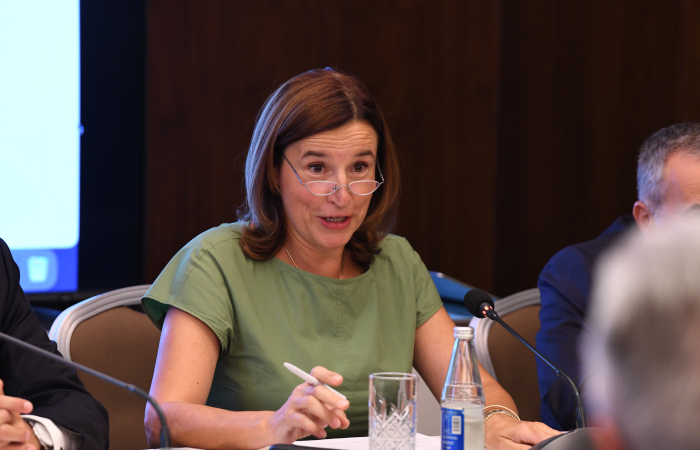
Marijana Kujundzic: "Our message is clear and consistent: no one should live in fear of the ground they walk on"
6 September 2026
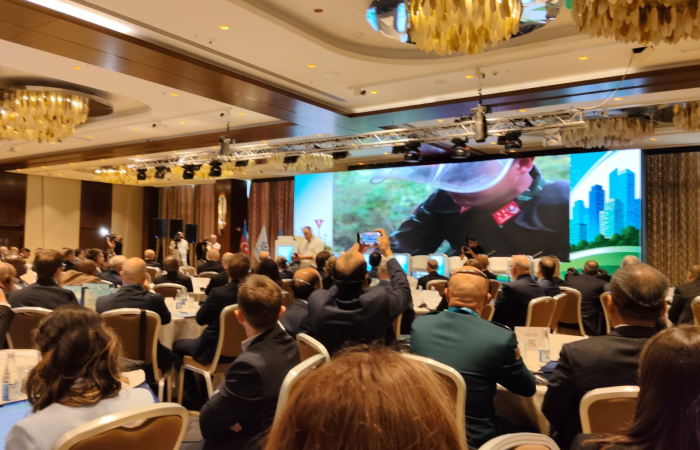
The 4th International Mine Action Conference, was held in Baku, Azerbaijan, on 2-3 September 2026. It was organised by the Azerbaijani national agency for humanitarian demining, ANAMA, and the United Nations.
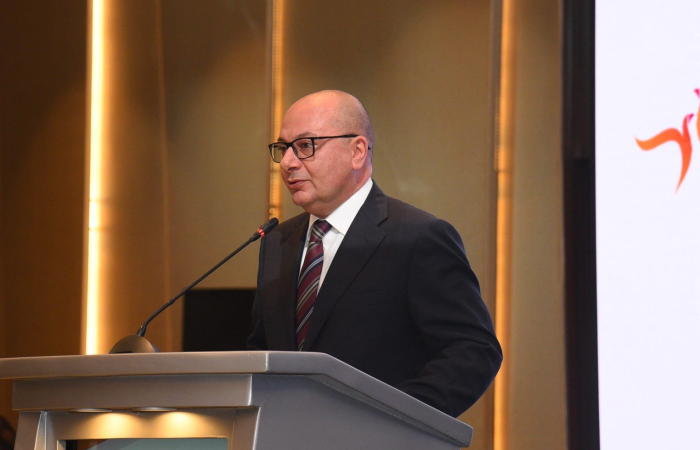
The Head of the European Union Delegation in Baku, Ambassador Marijana Kujundzic addressed the conference on 3 September, and reaffirmed the determination of the European Union to work globally for the eradication of landmine contamination.
She said,
"mine action is about far more than clearing contaminated land. It is about creating the conditions for people to return, for homes and public infrastructure to be rebuilt, and for communities to recover a sense of normality, stability and hope"
The title — “Humanitarian Demining for Urban Recovery: Setting Standards of Excellence for Safe Settlements” — captures both the urgency of the task and the level of ambition required to meet it.
It reminds us of a fundamental truth: urban recovery cannot begin where land is unsafe, where infrastructure is contaminated, and where communities cannot return with confidence. Humanitarian demining is therefore not only a security imperative, but also a precondition for recovery, reconstruction and human dignity.
I know from my own country’s experience that mine action is about far more than clearing contaminated land. It is about creating the conditions for people to return, for homes and public infrastructure to be rebuilt, and for communities to recover a sense of normality, stability and hope.
Croatia’s experience has shown that mine action and reconstruction must go hand in hand. Recovery is most effective when it is guided by long-term planning, strong institutions and, above all, the needs of affected communities.
In Azerbaijan, this reality is especially visible. The EU recognises and praises Azerbaijan’s major efforts on the ground, especially the work led by ANAMA and all operational actors involved in surveying, clearing, educating, and assisting affected communities. We are proud to stand with Azerbaijan in this effort.
This is why the conference theme is so timely. If we speak of urban recovery, we must also speak of standards. If we speak of safe settlements, we must also speak of excellence.
A settlement is not safe simply because explosive hazards have been removed.
A settlement is safe when:
families can return without fear;
children can walk to school securely;
public services can function again;
reconstruction can proceed according to clear standards;
and communities can rebuild their lives with confidence in the future. (read her remarks to the conference in full by clicking the picture).