COP 31 - Update 2
The 31st United Nations Climate Change Conference (COP31) opened on Monday, November 9, in Antalya, Turkey, bringing together representatives from nearly 200 countries to accelerate efforts to tackle global warming. Running until November 20, the summit needs to address rising temperatures, increasingly frequent extreme weather events amidst a growing pressure on governments to enforce concrete measures.
Around 68,500 participants are registered to attend, while approximately 25,000 people are involved in organising the two-week event. The conference is jointly led by Turkey and Australia under an unprecedented arrangement made by the two candidates running for hosting the event: Turkish Environment Minister Murat Kurum has assumed the presidency, while Australian Climate Change and Energy Minister Chris Bowen is overseeing the negotiations.
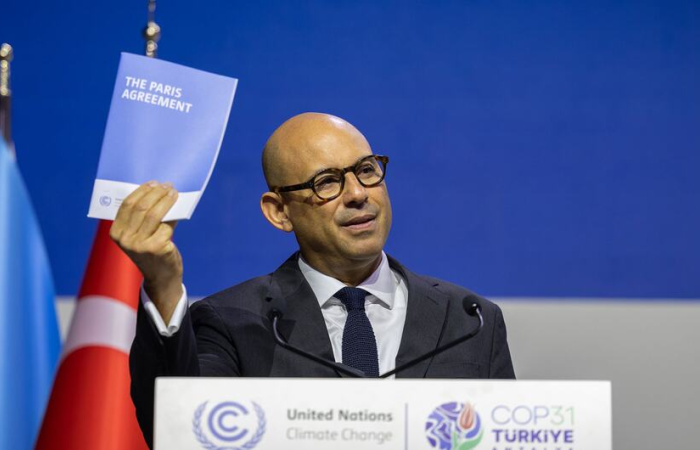
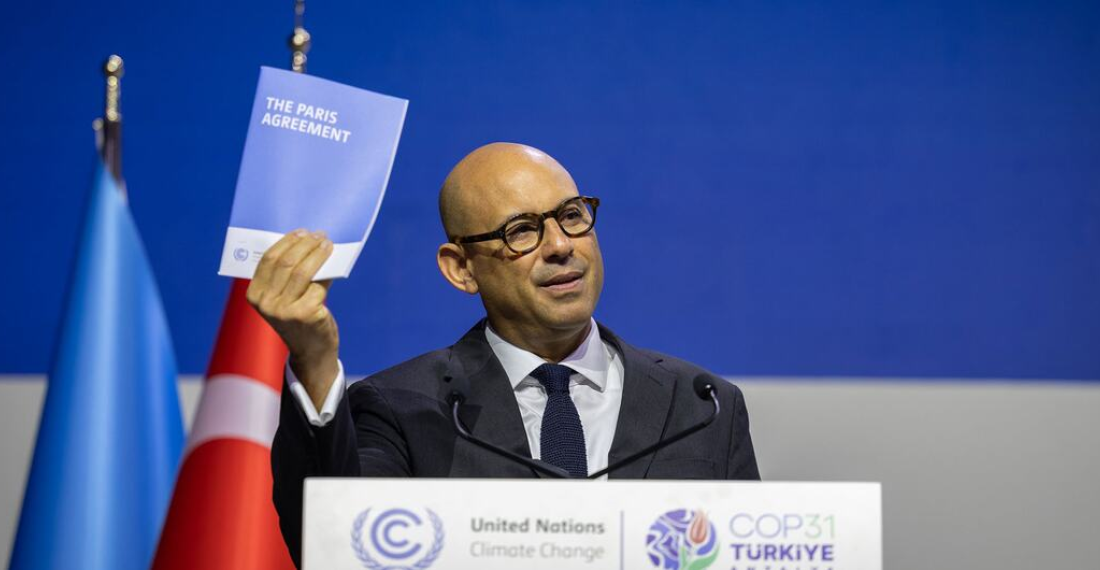
Already, at the opening plenary, the urgency of finding tangible solutions has been evoked. UN Climate Change Executive Secretary Simon Stiell warned that international progress remained insufficient and uneven. He urged governments to move beyond setting targets and accelerate the implementation of practical solutions. He also highlighted the economic consequences of continued dependence on fossil fuels, arguing that countries must speed up the transitional process towards electrification or face further energy price pressures. The disruption to global energy markets following the war in Iran and the effective closure of the Strait of Hormuz have only reinforced the necessity of reinforcing renewable energy investment.
A central challenge of the summit will be reconciling disagreements over climate finance. Developing countries are demanding faster and more accessible funding to adapt to rising temperatures, recover from climate-related disasters and transition towards lower-carbon economies. They are also calling on developed nations to clarify how they intend to deliver the financial support needed to address climate change, following years of unmet expectations. Negotiations are also expected to address methane emissions, climate-resilient infrastructure and the implementation of the 2015 Paris Agreement's objectives.
The summit's agenda places particular emphasis on the human consequences of climate change, including its effects on public health, food security and agriculture. Discussions are therefore addressing measures such as integrating weather forecasts into healthcare planning and supporting agricultural communities facing droughts, floods and increasingly unpredictable weather patterns.
Nevertheless, scientists have warned that global warming is likely to exceed the 1.5°C threshold established by the Paris Agreement. Similarly, Kurum acknowledged that this milestone is expected to be surpassed but insisted that countries should not reduce their ambitions. He has reiterated that COP31 is seeking to turn previous commitments into meaningful action instead of continuing to produce nothing but new declarations.
Source: Report compiled for commonspace.eu by Anna Szedlacsek with AP News (New York), France 24 (Paris), and UN News (New York).