The foreign ministers of NATO’s 32 member countries are gathering in the Swedish city of Helsingborg this week. The two-day meeting begins on Thursday (21 May), and comes at a time of significant tension in the Alliance owing to continued and intensifying United States pressure, the war in Ukraine, and the crisis in the Gulf.
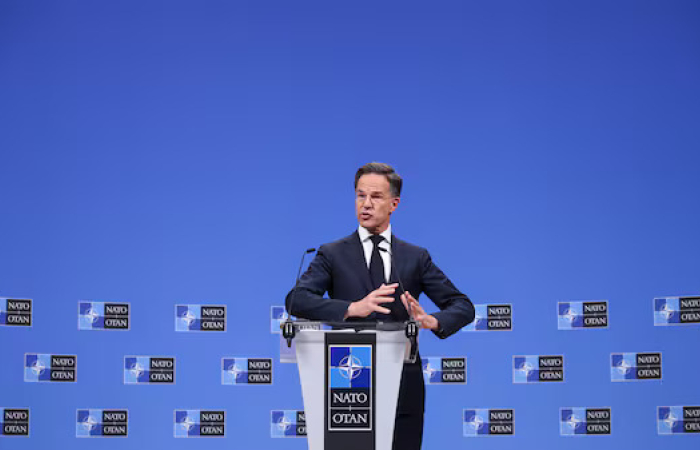
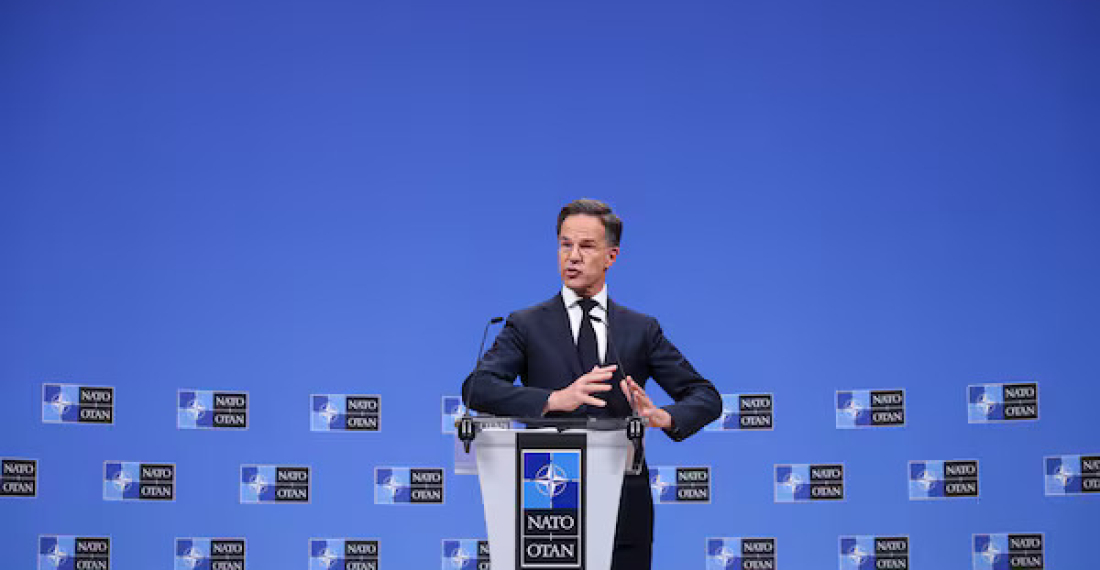
NATO says the meeting will help finalise preparations for the Ankara Summit in July, with Ukraine support and defence investment high on the agenda. Ahead of the meeting, NATO Secretary General Mark Rutte said allies were moving towards higher defence spending commitments, including 3.5% of GDP on core defence spending and 5% overall. He said the priority was now to turn spending into capabilities, including air and missile defence, long-range strike systems, drones, ammunition and larger stockpiles, while Europe and Canada take on more responsibility for NATO’s conventional defence.
“Europe and Canada are stepping up. They are investing more, and taking on more responsibility for conventional defence. And, as anticipated, the United States is also adapting.
We see this not only as the US adjusts its force posture in Europe. But in the new distribution of leadership roles for example in NATO’s Command Structure – where Europe will lead all three Joint Force Commands, while the US will lead the three component commands.”
Marco Rubio, the US Secretary of State “will discuss the need for increased defence investment and greater burden-sharing in the alliance", State Department spokesman Tommy Pigott said.
Since the outbreak of the US-Israel war with Iran in late February, passage through the Strait of Hormuz has been severely restricted, disrupting global energy flows and raising pressure on Western governments to consider how the waterway might be reopened safely. Britain and France have indicated willingness to support efforts to secure maritime traffic, but European allies remain reluctant to involve themselves in Iran.
European allies have argued that they were not involved in planning the war with Iran, and that Washington cannot expect automatic support for unplanned military action. Earlier this year, President Donald Trump also strained relations inside NATO with renewed calls for the United States to seize Greenland, a semi-autonomous territory of NATO member Denmark.
Mr Rubio is due to meet foreign ministers from the Arctic Seven (Denmark, Sweden, Norway, Finland Iceland, the US and Canada) to discuss shared economic and security interests, and likely, Greenland.
Source: commonspace.eu with The National News and NATO