by the members of the
Armenian-Azerbaijani expert strategic platform
Armenia-Azerbaijan Peace
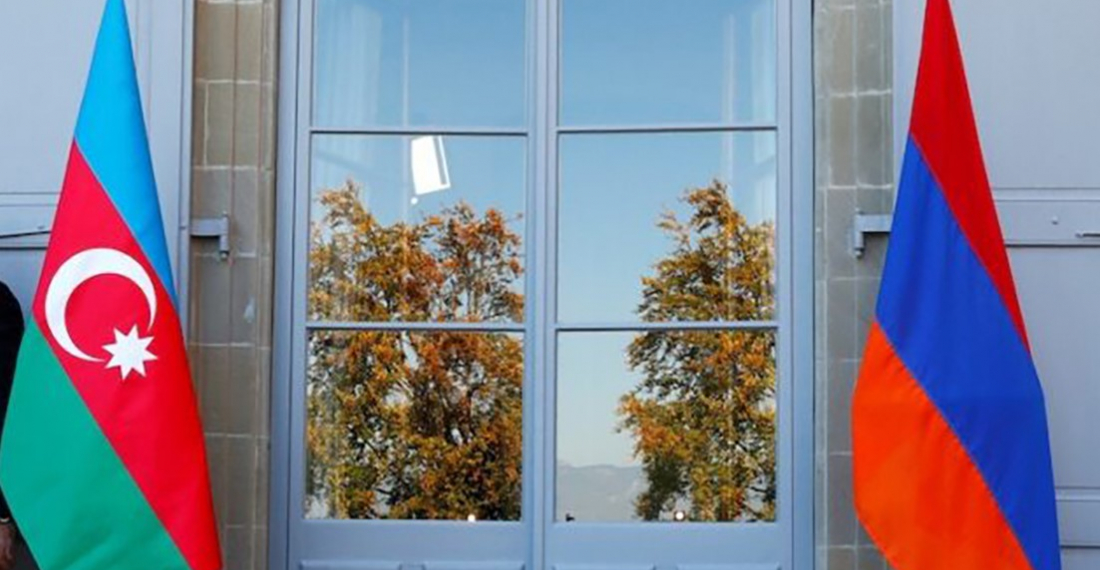
The members of the Armenian-Azerbaijani expert strategic platform welcome the meeting in Washington DC between Armenian prime minister, Nikol Pashinyan, and Azerbaijani president Ilham Aliyev, with the facilitation of US President Donald Trump, and the initialing of a peace agreement between the two sides, and the signing of a joint declaration by the two countries.
As was said a number of times during the meeting in Washington DC, this was a historic development, with consequences not only for Armenia and Azerbaijan, but for the South Caucasus region, and beyond.
The members of the Platform thank the president, government and people of the United States for hosting and facilitating the meeting, and all the others who over the last three years have contributed towards the dialogue between Armenia and Azerbaijan in their difficult journey towards peace. The members of the platform noted particularly the work of the European Union since 2021, and its support for track II activities in support of Armenia-Azerbaijan peace.
Many steps are now necessary to bring what was discussed and decided in Washington DC to reality. The meeting in Washington DC may in one sense have been the end of a long and difficult journey, but it is in another sense the start of another journey that Armenia and Azerbaijan, and Armenians and Azerbaijanis, must make so that peace between them is comprehensive and irreversible.
The Armenian-Azerbaijani expert strategic Platform is an ad hoc initiative of LINKS Europe, and is currently supported by the European Union’s EU4Peace III programme.
All the members of the platform were involved in the writing of the report “30 measures between now and 2030”, which outlines thirty confidence building measures that can be implemented between Armenia and Azerbaijan, and in the wider region. This report was shared with stakeholders in April 2022, and is not only still relevant, but has following the meeting in Washington DC, become even more important.
We, members of Armenian-Azerbaijani expert strategic platform, stand ready to support the governments of Armenia and Azerbaijan as they pursue the path to peace, and will also continue our work to contribute to peace in the South Caucasus.
Signed:
Mehman Aliyev (Azerbaijan)
Ahmad Alili (Azerbaijan)
Stepan Grigoryan (Armenia)
Johnny Melikyan (Armenia)
Benyamin Poghosyan (Armenia)
Ramazan Samadov (Azerbaijan)
Dennis Sammut, Director LINKS Europe and Platform Chair
9 August 2025