Theme

Diplomacy

Editor's choice
Opinion
Opinion: With a foot in every camp, Armenia seeks to create a niche for itself through a diversified foreign policy

Opinion: With a foot in every camp, Armenia seeks to create a niche for itself through a diversified foreign policy

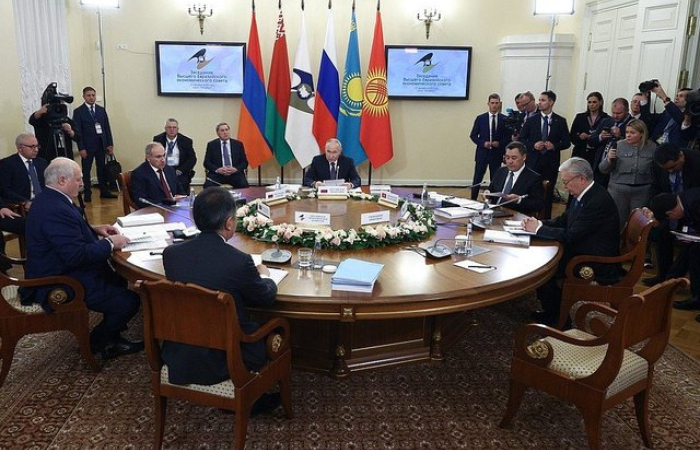
The days when Armenia was considered an outpost of Russia are long gone. Prime Minister Nikol Pashinyan has sought new relations with both the European Union and the United States. Relations with Brussels have peaked to new heights, with even talk of EU membership. And no lobbying by the powerful Armenian diaspora in the US could achieve that historical moment on 8 August in the White House, when Pashinyan and Azerbaijani president Aliyev, not only set the stage for peace between their two countries, but also opened the way for a new relationship with the United States. But Pashinyan has been able to do all this whilst at the same time keeping the relations with Russia warm. Armenia remains an active member of the Russia-led Eurasian Economic Union (EAEU). In December, Pashinyan participated in Eurasian Economic Union (EAEU) meetings in Moscow and St. Petersburg. Johnny Melikyan, Senior Research Fellow at the Orbeli Centre in Yerevan summed up the visit this way: The recent December 2025 visits of Armenian Prime Minister Nikol Pashinyan to Russia highlighted a practical and interest-based stage in Armenian–Russian relations. Rather than symbolism, the agenda was dominated by concrete issues of economic cooperation, connectivity, trade, and participation in Eurasian integration formats. You can read Johnny Melikyan's comment in full by clicking on the image
Filter archive

Publication date
Editor's choice
News
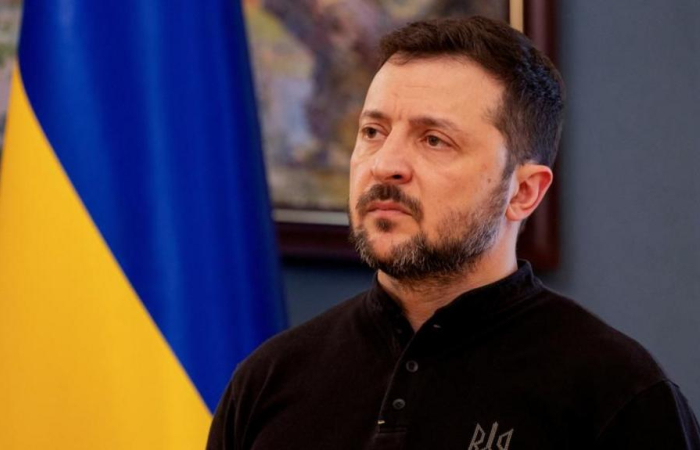
Volodymyr Zelensky is only partially welcome at the NATO summit in The Hague.

Volodymyr Zelensky is only partially welcome at the NATO summit in The Hague.

The Ukrainian president Volodymyr Zelensky will only be welcome at the dinner for heads of state and government leaders at the Huis ten Bosch Palace during the summit. This is evident from the summit programme, announced on Monday (16 June). In previous years, the Ukrainian head of state was given a much more prominent place in the programme. The United States, under the leadership of president Donald Trump, objected to Zelensky's invitation to this year's summit.
Editor's choice
News
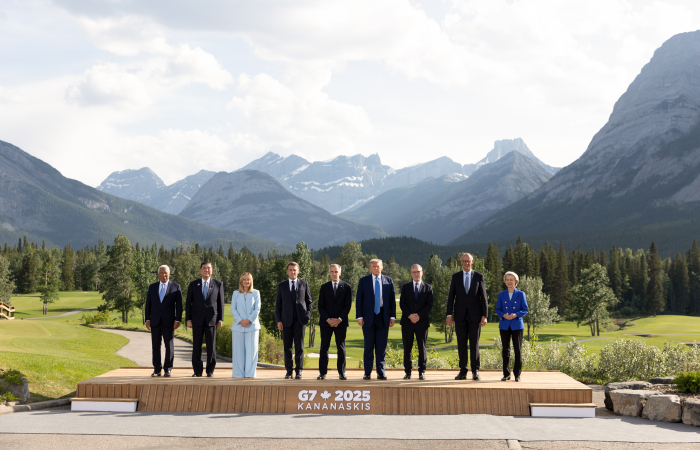
Leaders urge 'de-escalation' as G7 Summit in Canada is overshadowed by Middle East conflict

Leaders urge 'de-escalation' as G7 Summit in Canada is overshadowed by Middle East conflict

The G7 summit, a gathering of major world leaders meeting at Kananaskis, in the Canadian Rockies, has concluded with a joint leaders statement urging a "de-escalation of hostilities in the Middle East, including a ceasefire in Gaza". It stopped short of calling for a ceasefire between Israel and Iran. The leaders' statement, published as US President Trump left Canada, said Israel had a right to defend itself, and that Iran was a source of terror that should not have a nuclear weapon. According to the BBC, its call for a resolution of the crisis that led to a broader de-escalation of hostilities in the Middle East amounted to a diplomatic compromise that preserved G7 unity but watered down the statement's impact.