


Algiers has rejected an American request to increase gas supplies to Europe by reopening the Maghreb-Europe gas pipeline, which passes through Morocco.
The 13.5 billion cubic-meter Maghreb-Europe pipeline linking Algeria to Spain via Morocco was suspended in November 2021, when Algeria decided not to renew its contract with Morocco due to major disagreements over the sensitive Western Sahara issue.
Europe and the United States are seeking alternatives to Russian gas, and Algeria, the world's fifth-largest gas producer according to Worldometers, is expected to step in and help satisft European gas needs. Algeria appears wary to being involved in the Russian-Ukrainian crisis and treats this issue with caution.
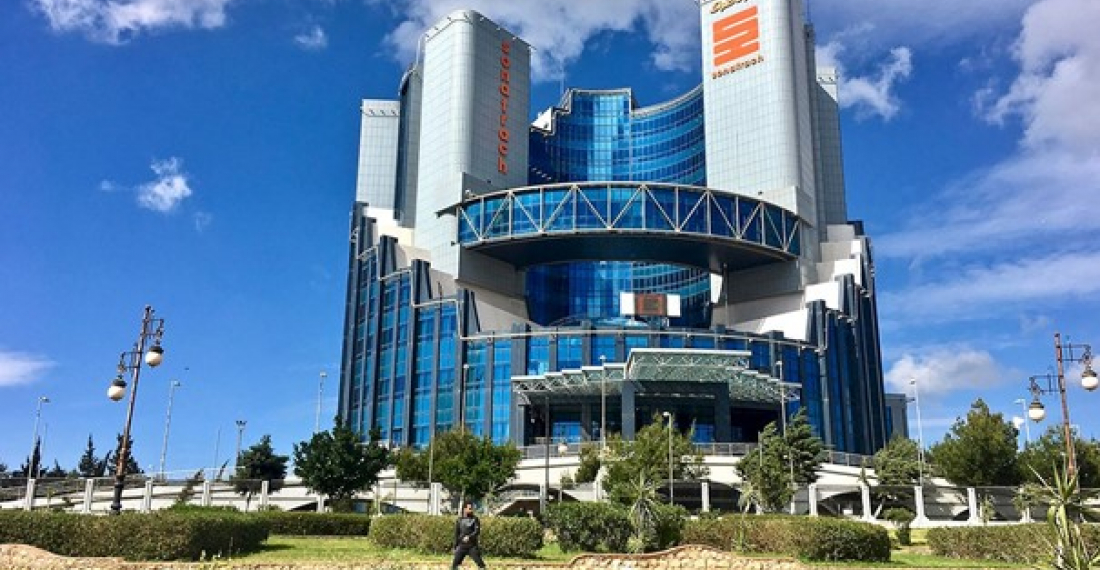
When the CEO of the state-owned oil Algerian company Sonatrach announced at the end of February in the newspaper Liberté that Algeria was able to increase the delivery of its gas to Europe in case of difficulties', Sonatrach was quick to lodge a complaint against the 'distorted and manipulated' statements of the newspaper.
If Algeria, which currently supplies the European Union with 11% of its gas needs, is opposed to reopening the Maghreb-Europe gas pipeline which passes through Morocco, it could however increase its supplies to Italy by 10 billion m3 per year via the Transmed pipeline, according to former Energy Minister Abdelmadjid Attar. In that case the diplomatic tensions between Morocco and Algeria would no longer be an obstacle, given that the Transmed gas pipeline links Algeria to Italy via Tunisia.
There is an urgent need to find reliable and sustainable alternatives to Russian gas imports into Europe, as the share of Russian gas has been substantial in recent years, typically fulfilling 30-40 per cent of demand across the continent.
This announcement is therefore distressing for many European countries, such as Latvia and the Czech Republic, all of whose gas is imported from Russia, and for Germany, where 55% of the natural gas used is produced in Russia.
The reopening of the Maghreb-Europe gas pipeline, as well as the start of offshore exploration - a promise made by the central government in 2015 - seem to be sine qua non conditions to meet the European gas demands.
If Algeria goes down this road, the North African country it could provoke a response from Moscow. Russia is the main supplier of arms to Algiers, accounting for 70% of the North African country's arms imports in 2020, according to Statista. By trading more with the Europeans, the Algerians fear that they will not be able to continue improving their military arsenal, a development which the Moroccans will however welcome.



