LINKS (Dialogue, Analysis and Research) on Thursday (13 December) published a report on the potential use of confidence-building measures in support of the peaceful resolution of the Nagorno-Karabakh conflict. The report is the result of 18 months of work by a working group made up of Armenian and Azerbaijani experts, working under the chairmanship of LINKS in the framework of the European Union's EPNK initiative. In the course of preparing the report the working group held wide range consultations and discussions with stakeholders across the Nagorno-Karabakh conflict divide, as well as with the international community.
In an executive summary, the conclusions of the report are summarised:
Introducing confidence-building measures (CBMs) in a situation of conflict or potential conflict is often considered a prerequisite to any resolution of the conflict itself. CBMs help to restore trust – a slow and incremental process that requires patience, and at least a minimum level of engagement by the relevant parties. Whilst CBMs are often designed primarily to stop the slide to conflict, or to help stop an ongoing one, their ultimate aim must always be to restore peace. CBMs are not a substitute for peace or for a proper peace process.
There have been many attempts to introduce CBMs in the context of the Nagorno-Karabakh conflict and conflict settlement process, but by and large, they have failed. This is often because they were premature, or they needed to be preceded by something else before they could be realistically implemented. This has allowed the sides of the conflict to dismiss various proposed CBMs as not possible, nor even desirable. For this reason, it is essential when discussing and designing CBMs in the Karabakh context to ensure that proper consideration is given to timing and sequencing. This includes the development of a phased approach that if not part of the peace process, accompanies it; also with the flexibility to nudge ahead if the opportunity arises. CBMs are a dynamic tool – to be used incrementally as engagement between the sides increases. It is now time to be ambitious and imaginative. But both in design and in the implementation of CBMs, no one should forget there is as yet a huge amount of work to be done for the concept to be even accepted – by governments and populations alike – and that the burden of history in the region is heavy. Thus, whilst we strongly support the implementation of CBMs in the Karabakh context, we also strongly urge prudence and caution. In some situations, though not all, a regional approach in the process of building confidence is desirable and can give good results. Overall, a delicate balance between a regional approach and a bilateral approach will work best.
• CBMs are an essential part of the process to peacefully resolve the Nagorno-Karabakh conflict. The sides to the conflict need to unambiguously embrace the concept and contribute to their design and implementation. They need to allow a safe space for different stakeholders to engage with CBMs, without prejudice, to the outcome of any negotiated solution. CBMs need to accompany the peace process, nudging ahead whenever possible, tagging along as much as necessary. It is not possible to be over ambitious in aspiring to what can be realistically achieved, but neither should there be a complete absence of vision and ambition.
• Just and lasting peace in Nagorno-Karabakh, and between the Armenians and Azerbaijanis generally, requires fresh thinking on how things can be in the future. Whilst this may be, and often is, dismissed as day dreaming, the ability to think creatively about a future Caucasus region is an important ingredient for getting out of the current impasse. Informed discussions on the economic benefits of peace need to become part of the broader discussion on conflict resolution, as well as way to incentivise engagement in confidence-building activities.
• There is a compelling argument for broadening the peace process going forward to involve other international actors. There is now a need for organisations with experience of CBMs, such as the EU and the UN, as well as the OSCE, to be given the space and the encouragement to bring their expertise into play. The Minsk Group co-Chairs need to urgently take steps to demystify the process that they lead.
• The role of international and local civil society – including the media, think tanks and NGOs – in the resolution of the Nagorno-Karabakh conflict has often been ignored or misunderstood, sometimes maligned, and regularly underestimated by both sides of the conflict and the international community. Galvanising the energy and expertise of global and local civil society has eluded the sides in the conflict, and the international mediators. It is time that this is remedied.
• Issues of land mines and unexploded ordinance, and cultural and historical heritage impacted by the conflict are difficult to discuss and to engage with, but are hugely important for the people directly impacted by the conflict. Discussion of these issues should no longer be avoided. The Working Group proposes a number of concrete measures that can be implemented in both spheres at various moments in the conflict resolution process.

You can read the report in full here
source: commonspace.eu
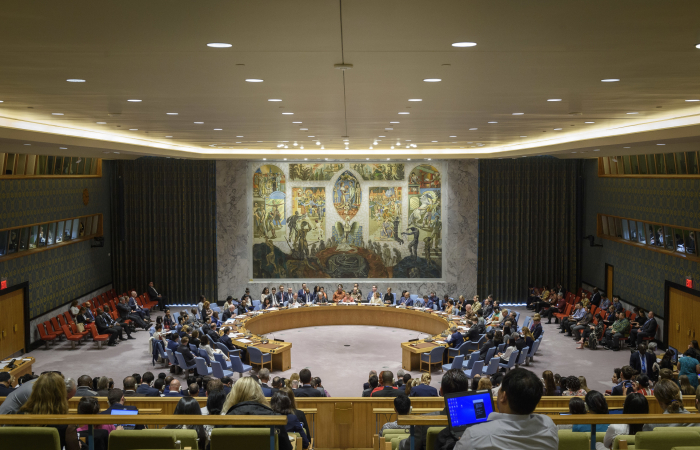
photo: The working group held meetings with stakeholders in Yerevan and Baku in October and November 2017 respectively.