


A series of long-term agreements signed by Georgia and Azerbaijan has intensified debate over whether Tbilisi is prioritising its role as a regional transit hub at the expense of its energy security.
The deals were announced following a meeting in Baku on 18 May between Georgian Prime Minister Irakli Kobakhidze and Azerbaijani President Ilham Aliyev. They include a 20-year framework governing electricity supply and transit, as well as a 20-year extension of a gas purchase arrangement originally signed in 2003. Georgian officials said the gas deal would help guarantee the country’s social gas supply.
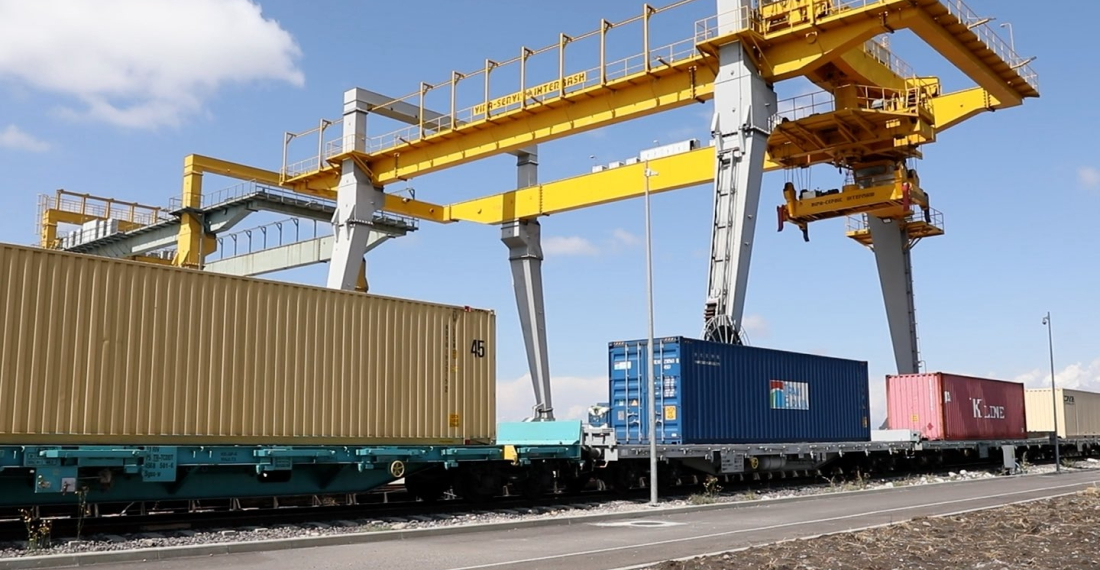
The two sides also agreed to restore daily passenger rail services between Tbilisi and Baku after a six-year suspension, and confirmed plans to make a new section of the Baku-Tbilisi-Kars railway fully operational. The railway is a key transport corridor connecting the South Caucasus with international markets.
While the Georgian government has highlighted the economic and geopolitical benefits of the agreements, as well as the need to maintain Tbilisi’s strategic importance as Armenia and Azerbaijan move toward normalising relations and new transport corridors, critics have raised concerns over the lack of transparency. The full texts of the deals have not been made public, prompting questions about their long-term implications.
Concerns also persist over Georgia’s changing energy profile. Russian gas supplies to Georgia rose significantly in 2025, while critics say Azerbaijan’s share in Georgia’s gas imports has been declining. They argue that the new agreements could limit Georgia’s future access to Azerbaijani gas and increase its reliance on Russian supplies.
Among them is economist and former National Bank president Roman Gotsiridze, who warned in a Facebook post on 20 May that the arrangement could reduce Georgia’s ability to secure additional gas from Azerbaijan in the future. He argued that rising domestic demand could eventually leave Russia as the only practical source of additional imports.
Government officials reject such concerns and instead frame the agreements as part of a broader strategy to strengthen Georgia’s role as a bridge between Europe and Asia. Following the signing, Kobakhidze emphasised the importance of connecting the Caspian and Black Sea regions and expanding regional transport links, underscoring transit and connectivity as key priorities for the government.
Source: commonspace.eu with Eurasianet



