Editor's choice
This is a members’ functionality. Please
Sign upMonday Commentary
Trending
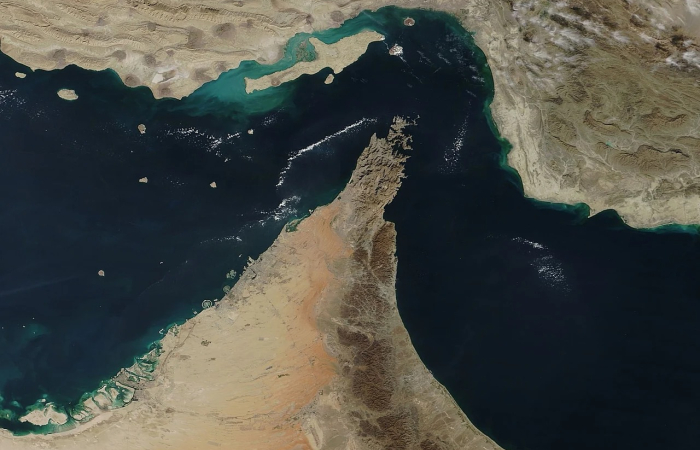
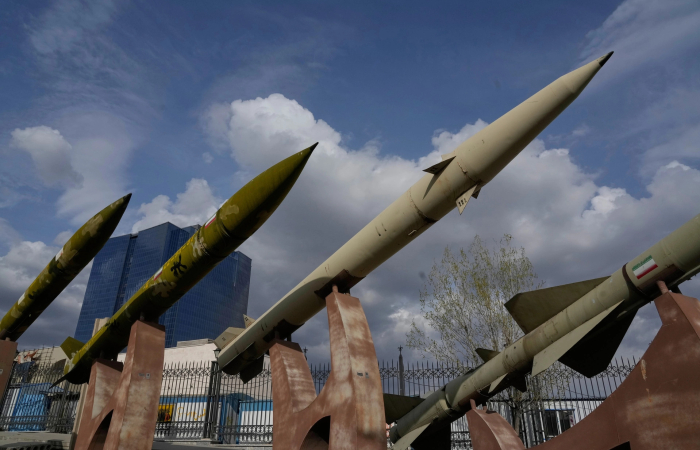
Monday Commentary: As war in the Middle East rages on, it is necessary to keep sight of the big picture, and seek bold and ambitious solutions
23 March 2026
The war in the Middle East goes on. Most countries, governments and people think it was unnecessary and unjustified. The person who started it, and who has the power to stop it quickly, Donald Trump, has as much as admitted he had not thought the whole thing through properly.
This war has already deformed the Middle East in ways we are just starting to understand. Its negative impact on the world, even if it stops tomorrow are going to be deep and long lasting.
Some will despair. But governments, international organisations, and more broadly civil society, do not have this luxury. It is time to rethink, regroup, and develop a future strategy. For that it is necessary to look at the big picture. This is far from easy while the senseless war continues but it is necessary, and all those who can, in their different ways, need to contribute.
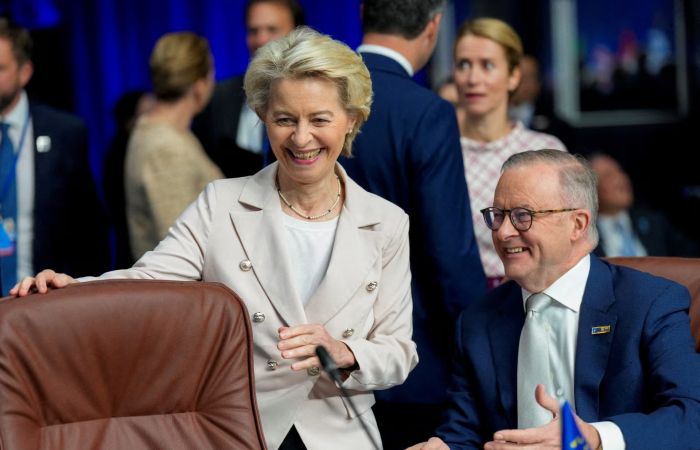
On 19 March the EU had a summit of the leaders of the 27 member states in Brussels. It was a serious, somber affair, overshadowed by the war in the Middle East, and the political and economic fallout from it. Big decisions were taken. The European leaders also met with the UN Secretary General, Antonio Gutteres. Both the EU and the UN are large organisations, that often look dysfunctional. But for the future if the world, post the Trump war in the Middle East, both are vital The commitment of both to multilateralism at this precise moment, when the concept appears broken, is welcome. The world must recognize that the present crisis, is the biggest challenge since WWII. The solutions must be equal to the challenge. They must also be bold and ambitious. The EU working with the UN is one of the few, maybe only, actor that can make a difference. But this will require political will and determination. The Brussels EU meeting on 19 March gave a hint of that. But we are not there yet.
---- Monday Commentary will take a two-week Easter break, and will next be published on 13 April 2026. In the meantime however, commonspace.eu will continue to be updated daily. (Click the picture above to read the full Monday Commentary).