Library


Filter archive

Publication date
Editor's choice
Opinion
The long road back: Péter Magyar and Hungary’s European future

The long road back: Péter Magyar and Hungary’s European future

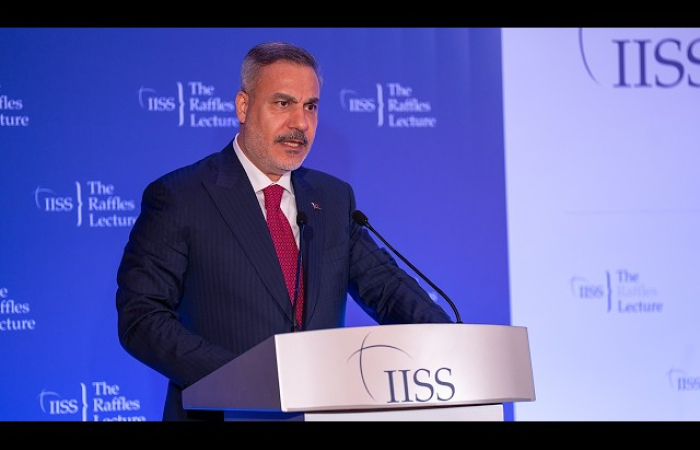
The rise of Péter Magyar has transformed Hungarian politics from a stagnant contest into a genuine struggle over the country’s geopolitical future. Once associated with the orbit of Viktor Orbán’s ruling system, Magyar now presents himself as the figure who can bring Hungary back into the European mainstream. His message is direct: Hungary must strengthen its position within the European Union and secure its place in the West, “where it has always belonged.” Yet, no matter how compelling this western pivot sounds, Magyar would inherit a state whose institutions and energy system remain deeply entangled with Russia. For years, Orbán silently intensified relationships with Moscow. Hungary has benefited from cheap gas and oil contracts, with Russian crude making up 93% of Hungary’s oil imports in 2025, representing a 32% increase from 2021. Another key project is the Paks II nuclear power plant, agreed upon in 2014 by Viktor Orbán and Vladimir Putin, with the Russian Rosatom acting as the main contractor. Lastly, the leaked conversation between Putin and Orbán, as well as Péter Szijjártó’s, Hungary’s Minister of Foreign Affairs, calls to Sergey Lavrov, his Russian counterpart during breaks in EU Council meetings, have resulted in Fidesz being viewed by many Hungarians (and others) as catering to Russian interests. (Read the full article by clicking on the image above.)
Editor's choice
Commentary
A serious election, in which voters have clear options

A serious election, in which voters have clear options

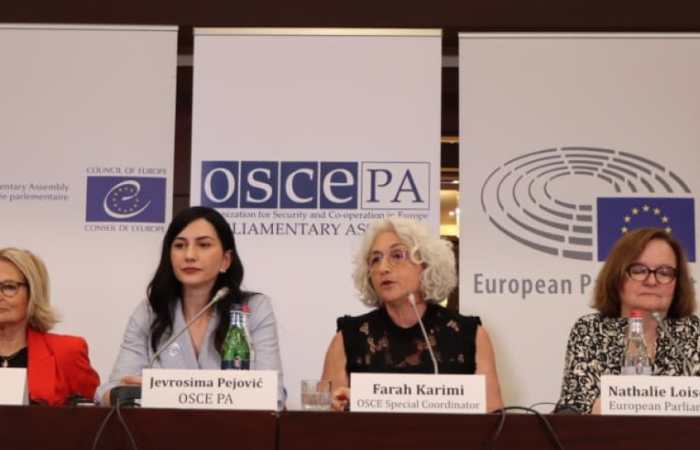
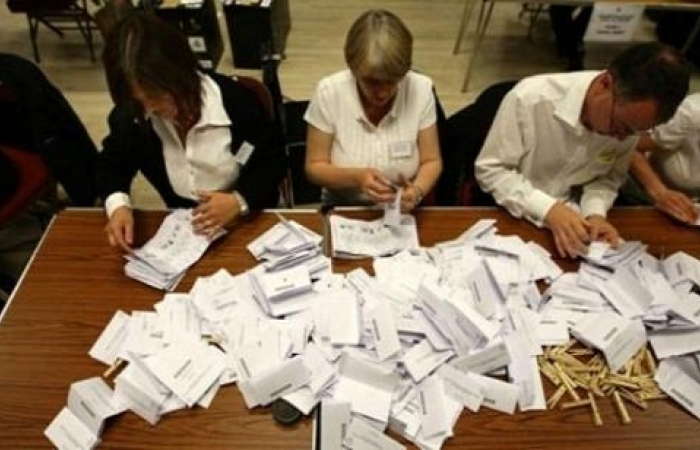
This article is part of the "Armenia Season", featuring on commonspace.eu from 1 May -15 June 2026. It was first published on Armenia Elections Monitor - a LINKS Europe initiative - on 8 May 2026. The registration process for parties and blocs participating in the elections has been completed. A total of 19 political forces—two blocs and 17 parties—will participate in the election race, which begins on May 8 and concludes on June 5. The electoral threshold is set at 4% for parties and 8% for blocs. Although the official campaign starts on May 8 according to electoral law, many parties de facto launched their campaigns long ago, at least since January of this year. The primary political struggle is unfolding between Nikol Pashinyan on one side and three pro-Russian forces—those of Karapetyan, Kocharyan, and Tsarukyan—on the other. Effectively, a bipolar model has emerged in Armenian domestic politics. (Read the full article by clicking on the image above.)
Editor's choice
Interview
Thursday Interview: Mehman Aliyev

Thursday Interview: Mehman Aliyev

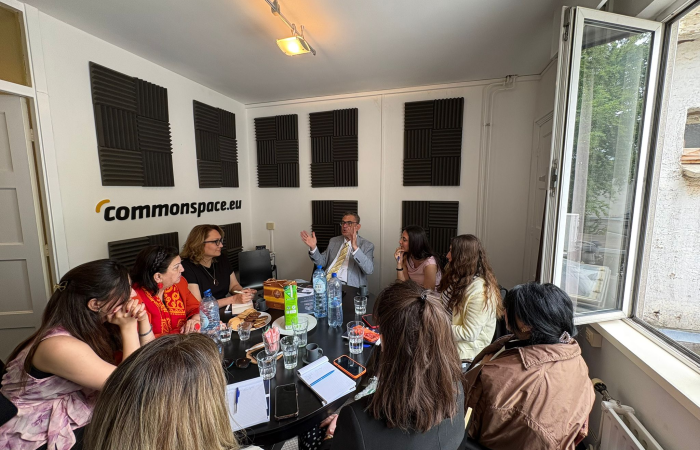
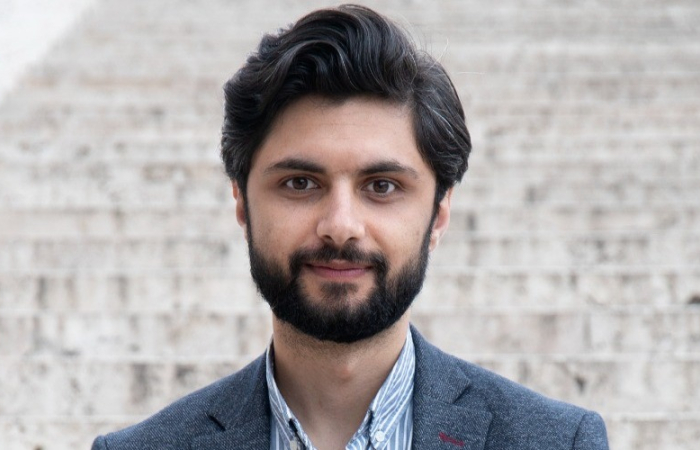
This week, commonspace.eu speaks with Mehman Aliyev, a co-founder of the Turan İnformasiya Agentliyi (Turan Information Agency), Azerbaijan’s first independent news agency, established in 1990 after the Soviet crackdown in Baku known as Black January. Turan has long been one of Azerbaijan’s few independent media voices, reporting on political, economic and social developments in the country. Aliyev himself was detained in 2017 on charges that international watchdogs linked to pressure on Turan’s work; his detention prompted concern from the EU, Council of Europe, Human Rights Watch and press freedom organisations. He is also member of the Armenia-Azerbaijan Expert Strategic Platform, a LINKS Europe initiative to support dialogue in the South Caucasus. Aliyev reflects on the origins of Turan, the difference between independent and opposition media, and the pressures created by Azerbaijan’s media law. He also discusses the importance of Western pressure in protecting journalists, and looks at the prospects for a durable Armenia-Azerbaijan peace following the initialling of the Washington peace agreement in August 2025. (Read the full interview by clicking on the image above.)
Editor's choice
News
Armenia and EU agree on strategic co-operation, but the 7 June elections will define the future

Armenia and EU agree on strategic co-operation, but the 7 June elections will define the future

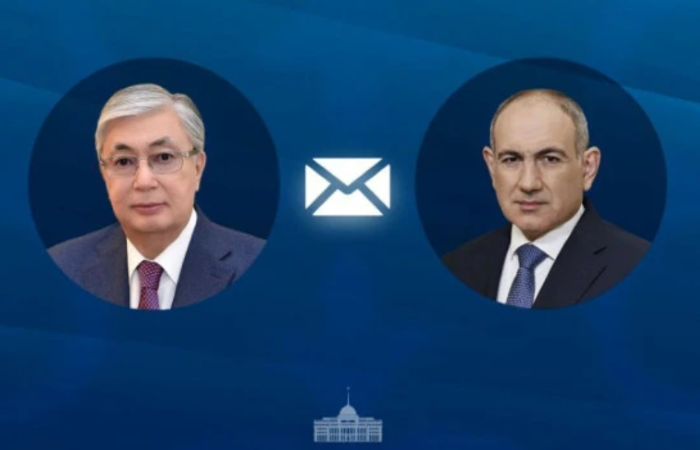
This article is part of the Armenia Season on commonspace.eu between 1 May and 15 June 2026. The first Armenia-EU summit was held in Yerevan on 5 May 2026. Alex Verge, was commonspace.eu special correspondent at the summit in Yerevan, and he filed this report: In a landmark diplomatic moment, Armenian Prime Minister Nikol Pashinyan hosted the first-ever bilateral summit between Armenia and the European Union at the presidential residence in Yerevan on 5 May. While it did not deliver any major announcements, the summit reflected the ongoing deepening of the bilateral  relation and a show of support from Europe for Pashinyan, who is seeking re-election in parliamentary elections in June. EU Commission President Ursual von der Leyen and European Council President Antonio Costa were representing Europe at the summit. Both gave significant credit to Pashinyan personally for his role in bringing Armenia closer to the EU, underlining shared values and commitments to democracy, rule of law, peace and stability.  The current prime minister has indeed overseen a significant rapprochement. In 2025, the Armenian parliament adopted a law that officially mandated the government to pursue EU integration. Accession remains a very distant prospect however. Pashinyan himself commented at the summit that Armenia faced a long road before it could align itself to EU standards, including regarding judiciary independence, and that there was no guarantee that the EU wanted to expand further. He added that a deeper bilateral relationship was highly valuable in and of itself. Alongside the European Political Community gathering that took place the day before, the EU summit will have contributed to the international credibility of Pashinyan and may therefore serve his re-election prospects well. Domestically, it remains to be seen whether Pashinyan will receive similar support from the Armenian electorate come the June parliamentary elections. Outside the presidential palace, a crowd was gathered to call for the release of Armenian prisoners of war held by Azerbaijan - one of the number of issues where large parts of Armenian society have been critical of their current government. Much more than this weekend’s summits, it will be the elections in June that will shape the trajectory of Armenia’s foreign policy. This article is part of the Armenia Season on commonspace.eu between 1 May and 15 June 2026. The first Armenia-EU summit was held in Yerevan on 5 May 2026. Alex Verge, was commonspace.eu special correspondent at the summit in Yerevan, and he filed this report. Press the image to read the full report.