In a statement released today (8 June) by the OSCE ODHIR, it argued that the “7 June 2026 [Armenian] parliamentary elections offered voters a genuine choice among political alternatives in a well-run process, although direct pressure from abroad, in the form of escalating trade restrictions and security threats, were observed during the campaign, aimed at unduly influencing voters in favour of the opposition”.
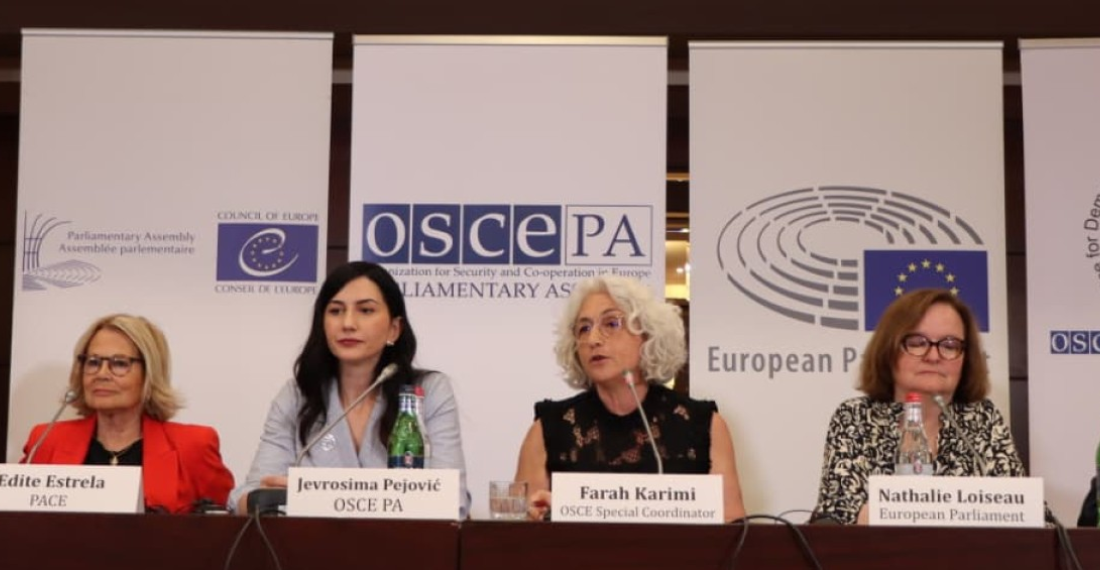
In the OSCE ODHIR Press conference that took place today (8 June) was stated that the joint electoral observation mission was composed of 457 observers from 42 countries who were deployed on election day. Out of the observers, 322 OSCE ODIHR observers and experts, 93 observers from the OSCE Parliamentary Assembly, 27 from the Council of Europe Parliamentary Assembly, and 15 from the European Parliament. All the panelists spoke frankly about the statement and stated that the findings were based on the assessments made by the observers.
It is important to state clearly that observer missions cannot make judgments on behalf of the citizens. Only the citizens of Armenia can, in the end, state whether the elections were free and fair. The election observer mission can only provide an unbiased assessment of the election process and advise on ways forward. These are recommendations and are not legally binding in any way.
The statement found that “The campaign was highly confrontational, with divisive rhetoric, and was marked by allegations of vote-buying and other electoral violations that led to numerous criminal proceedings against opposition candidates and activists, resulting in many opposition supporters refraining from actively engaging in the campaign. This, along with pressure on public sector employees to attend ruling party events, and recently introduced social and economic measures, raised concerns about the equality of opportunity to campaign".
Farah Karimi, Special Co-ordinator and leader of the short-term OSCE observer mission, said that: “The concentration of arrests and criminal prosecutions against opposition figures contributed to perceptions of selective justice, while a polarized media landscape, inflammatory rhetoric, misinformation, and persistent foreign pressure and interference challenged Armenia’s democratic resilience and the integrity of public debate. This underscores the importance of continued efforts to strengthen democratic institutions, safeguard fundamental freedoms, and foster public trust in democratic processes. ”
Damien Cottier, Head of the delegation of the Parliamentary Assembly of the Council of Europe, argued that “The Armenian elections took place in a particularly tense geopolitical context, with direct foreign interference. In particular, pressure and threats from Russian authorities reached an unprecedented and worrying level.”
Janez Lenarčič, head of the election observation mission from the OSCE Office for Democratic Institutions and Human Rights, stated that “Armenia’s voters were given – and took – the opportunity to make a genuine choice in a professionally managed election process and a vibrant and pluralistic, if often highly polarized campaign. “Unfortunately, they had to make that choice against the backdrop of unprecedented foreign interference and pressure, in the form of punitive trade measures and day-by-day threats of further negative consequences contingent on which choice they made”.
During the question session, the panel clarified the difference between foreign pressure and foreign interference. Under foreign pressure, the panel highlighted a series of trade restrictions imposed by the Russian Federation before and during the election campaign period. These trade restrictions were accompanied by threats from officials from the Russian Federation, including Putin’s statement regarding a possible “Ukraine scenario”. The panel also stated that it noted foreign interference when it came to the high-level visits and endorsements from both the US and the EU leaders.
All the panelists argued that the electoral administration managed technical preparations professionally and efficiently and enjoyed stakeholders’ trust. According to the statement, “the election day proceedings were assessed overwhelmingly positively in the vast majority of polling stations observed”.
Source: Commonspace.eu with OSCE ODHIR