Theme

Domestic Politics

Stories related to the internal politics of states and various domestic issues. 

Editor's choice
News
Germany accuses Russia of cyberattacks and disinformation campaign

Germany accuses Russia of cyberattacks and disinformation campaign

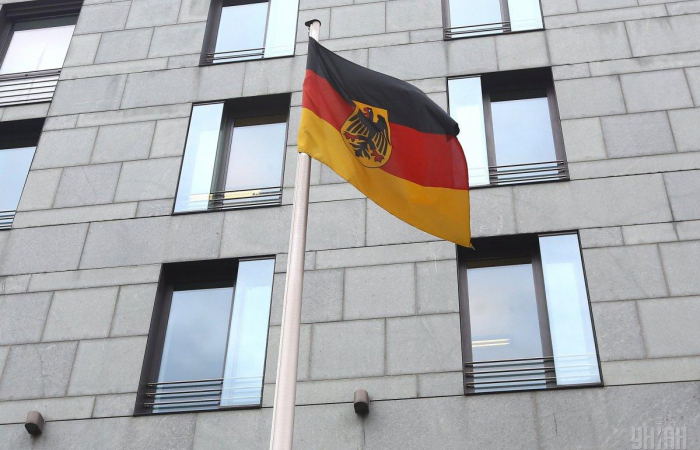
The German government holds Russia responsible for a cyberattack on German air traffic control, and for targeted disinformation campaigns before the last federal election. According to the German Foreign Office in Berlin, the incidents could be clearly attributed to the Russian military intelligence service, the GRU. In response, the Russian ambassador to Berlin was summoned to the Foreign Ministry. "We have been observing a massive increase in threatening hybrid activities by Russia for some time now," a spokesperson for the Foreign Ministry stated. These range from disinformation campaigns and espionage to cyberattacks and sabotage attempts. The aim is to divide society, sow distrust, and undermine confidence in democratic institutions. The spokesperson added that with these actions, Russia is "very concretely threatening our security, not only through its war of aggression against Ukraine, but also here in Germany."  The Foreign Ministry spokesperson explained that the cyberattack on air traffic control in August 2024 was clearly attributed to the hacker collective "APT28," known as "Fancy Bear," and to the responsibility of the Russian military intelligence service, the GRU. Furthermore, it could now be "conclusively stated" that Russia had attempted "to influence and destabilize both the last Federal election and the ongoing internal affairs of the Federal Republic of Germany." There was "absolutely irrefutable evidence" for this". The so-called "Storm 1516" campaign, which has been running since 2024, is allegedly backed by "reliable information" that the Moscow-based think tank "Center for Geopolitical Expertise" is behind it. The Center is also said to be supported by Russian military intelligence. Its primary aim is to influence democratic elections in the West. (Click the image to read more).
Filter archive

Publication date
Editor's choice
News
Kazakh parliamentary election polls project victory for ruling party despite big losses

Kazakh parliamentary election polls project victory for ruling party despite big losses

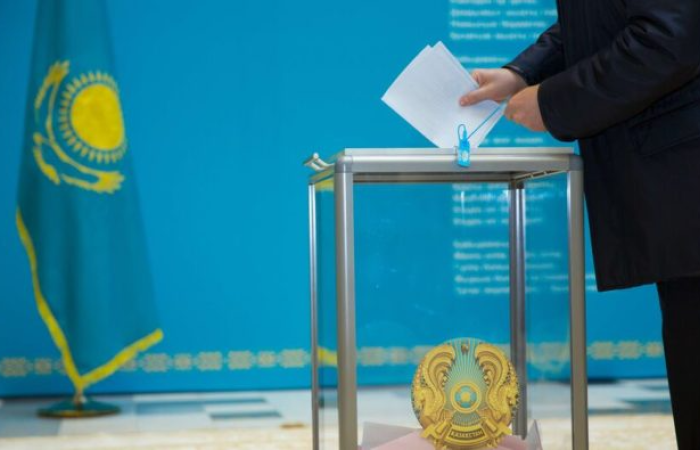
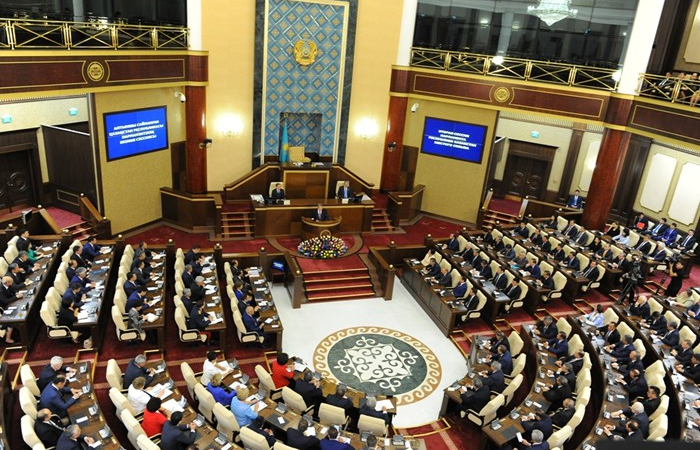
A poll released by the Strategy Center for Social and Political Studies in Kazakhstan has projected victory for the ruling Amanat party despite heavy losses in the upcoming 19 March parliamentary election. In the poll that surveyed 1,600 people between 17 and 27 February, 43.6% said they would vote for the ruling Amanat party, the former party of the current president Kassym-Jomart Tokayev. This is however considerably lower than what the party received in the 2021 elections, when it received 71.09% of the vote, according to the Central Electoral Commission. Madi Omarov, political scientist and project coordinator at the Strategy Center, said that the "significant decrease in the support for the party is most likely due to several factors, including President Tokayev’s resignation as party leader, rebranding, and the decline in popularity after the events of January 2022." Meanwhile, 11.3% said they would vote for the Aq Jol party, 9.9% said they would vote for the Auyl party, 6.3% said they would vote for the People's Party, and 6.2% would vote for the Respublika party.
Editor's choice
Commentary
Commentary: Georgia is in a hole, and its politicians must stop digging

Commentary: Georgia is in a hole, and its politicians must stop digging

"The Georgian people have over a long period of time expressed their desire to be part of the European family," writes the commonspace.eu editorial team. "Georgia is situated in a difficult neighbourhood, with predators, such as Vladimir Putin’s Russia, as neighbours. Europe and the broader west need to support Georgia in this difficult moment. But first, Georgian politicians need to step back and defuse the current crisis...in a move that surprised even its own supporters, Georgian Dream came up with the idea of a law on foreign funding for NGOs and media and others, popularly known as the “foreign agents” law. Regardless of the small print of the law, on which lawyers can happily argue for many years, politically this was a reckless act by the Georgian Dream government with two consequences that could have easily been predicted. First, it united a broad spectrum of political and civil society forces behind one objective – that of opposing the GD government and preventing the law from being enacted. Second, it galvanised international public opinion against the tactics of the Georgian Dream government."
Editor's choice
News
Georgian government withdraws proposed foreign agent law after second night of violent protests

Georgian government withdraws proposed foreign agent law after second night of violent protests

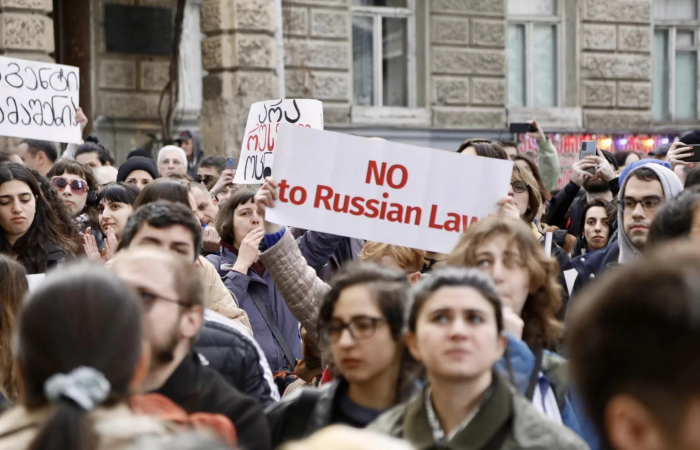
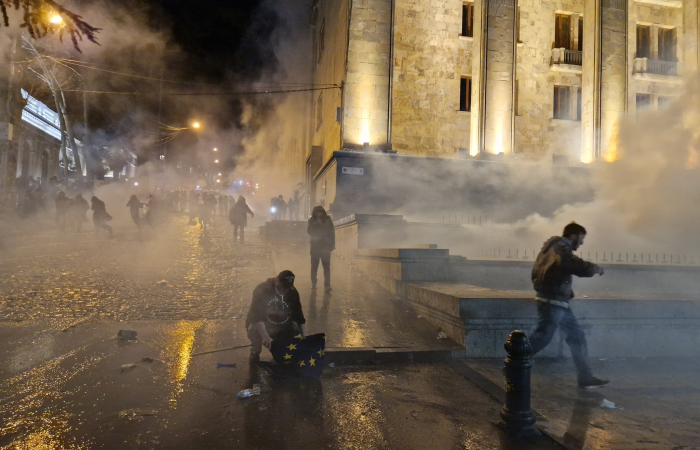
The Georgian government has announced that they have withdrawn the controversial proposed law on "foreign agents" that sparked two nights of violent protests in the capital, Tbilisi. In an announcement released on Thursday morning (9 March), the ruling Georgian Dream party, the People's Power movement that introduced the law, and the parliamentary majority said: “We, as an authority responsible to every member of society, have decided to unconditionally withdraw the bill we supported without any reservations.” The announcement comes after a second night of violent protests on Tbilisi's central Rustaveli Avenue outside the parliament building, that saw riot police deploy huge quantities of tear gas, water cannon, protesters blocking access to parliament, building barricades, smashing windows, and destroying and burning cars. Dozens of protesters were also arrested. The proposed law was particularly controversial because of its similarity to a law passed in Russia in 2012 that has been used to clamp down on civil society and stifle opposition, and Tbilisi in particular is known for its vibrant civil society.
Editor's choice
News
Turmoil in Tbilisi as thousands protest against foreign agent law

Turmoil in Tbilisi as thousands protest against foreign agent law

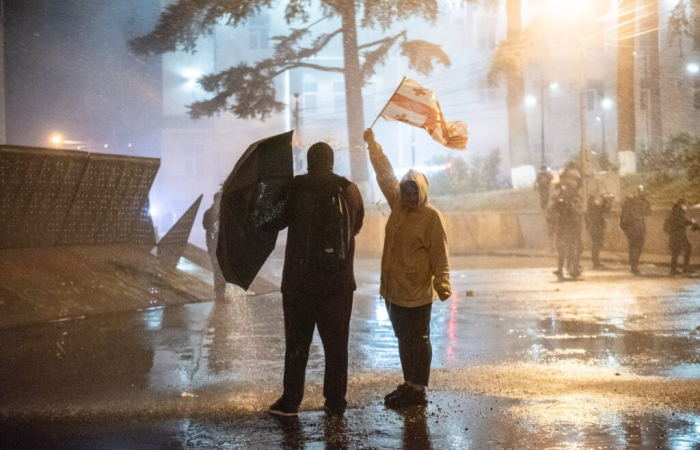
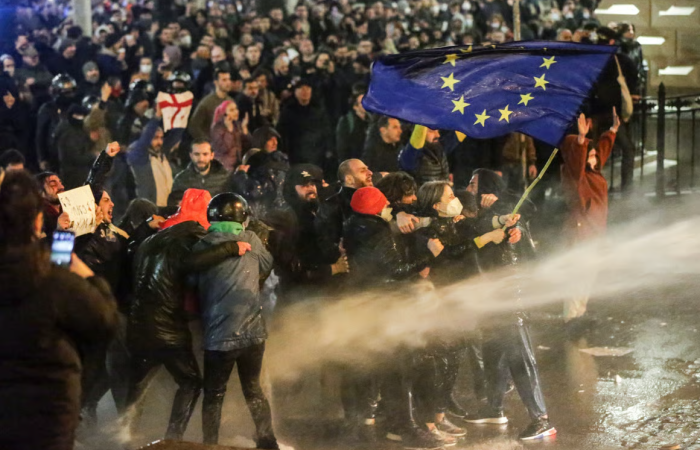
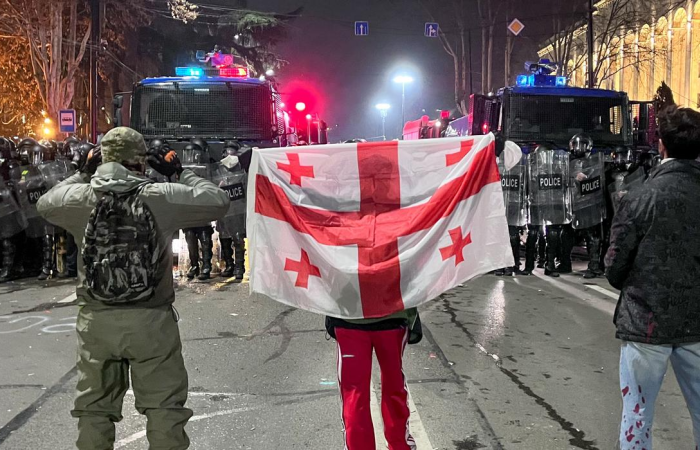
Tbilisi's central Rustaveli Avenue was in turmoil last night (7-8 March) as thousands came out to protest against a proposed foreign agent law that had been backed in parliament earlier on 7 March. It was the second day of large protests in the Georgian capital over the proposed law, with a large group having gathered at the back of the parliament building on Monday (6 March) as the law was debated in parliamentary committee meetings, which themselves led to scuffles between parliamentarians. Yesterday's protests in Tbilisi grew in size as the sun set, and riot police were deployed to control the protesters whereupon scuffles between them began. Protesters waved EU and Georgian flags, the EU and Ukrainian national anthems were also heard, and protesters chanted anti-government slogans. Riot police employed increasing force to disperse the protesters, including using water cannon and large amounts of tear gas. Some protesters were seen falling on the ground and coughing, and journalists on the ground also reported choking and being unable to breathe because of the quantity of tear gas used against the protesters. The government says several policemen were hurt and police gear was damaged.
Editor's choice
News
Turkish opposition nominate Kemal Kilicdaroglu to challenge Erdogan

Turkish opposition nominate Kemal Kilicdaroglu to challenge Erdogan

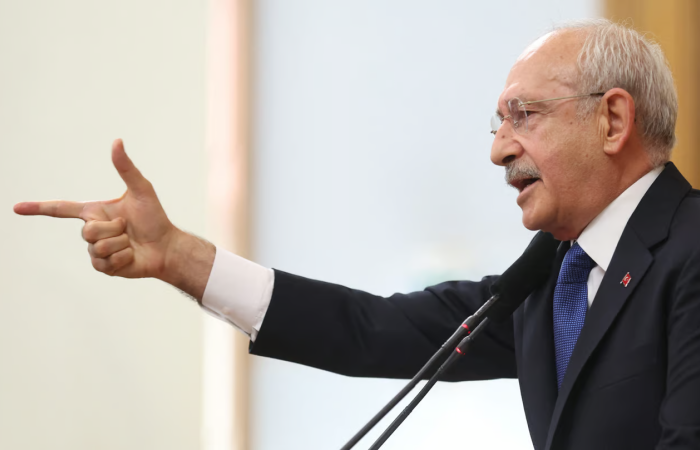
After weeks of fierce negotiations between an alliance of six opposition parties from across the political spectrum, the so-called "Table of Six" officially nominated Kemal Kilicdaroglu on Monday (6 March) as their candidate to challenge incumbent Recep Tayyip Erdogan in May's presidential elections. Kilicdaroglu, who has led the center-left Republican People's Party for over a decade, is an understated 74-year-old former bureaucrat from the country's social security authority. There has been some criticism that he lacks the flair and charisma needed to topple Erdogan's populism after 20 years of rule. In speech in Ankara announcing his nomination, Kilicdaroglu said that the opposition coalition would "run the country in consultation and agreement with one another". The group has pledged to reverse many of the changes that Erdogan has brought about since becoming prime minister in 2003, including returning the country to a parliamentary system.