Theme

Conflict and Peace

Stories related to violent conflicts, diplomatic tensions, and conflict prevention, mediation and resolution.

Editor's choice
Analysis
Mehman Aliyev on what "peace" can look like for Ukraine

Mehman Aliyev on what "peace" can look like for Ukraine

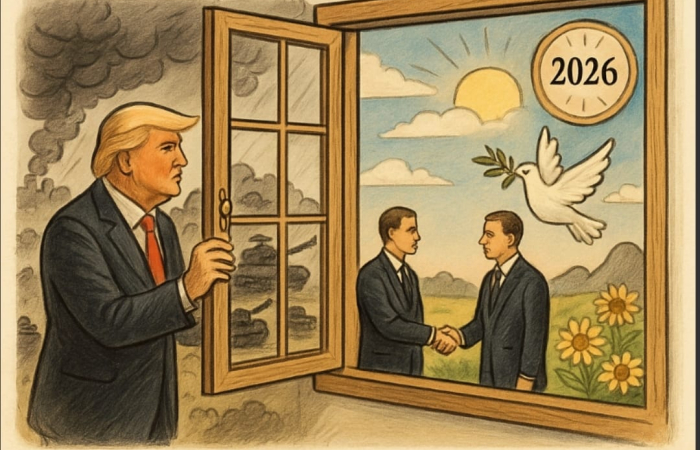
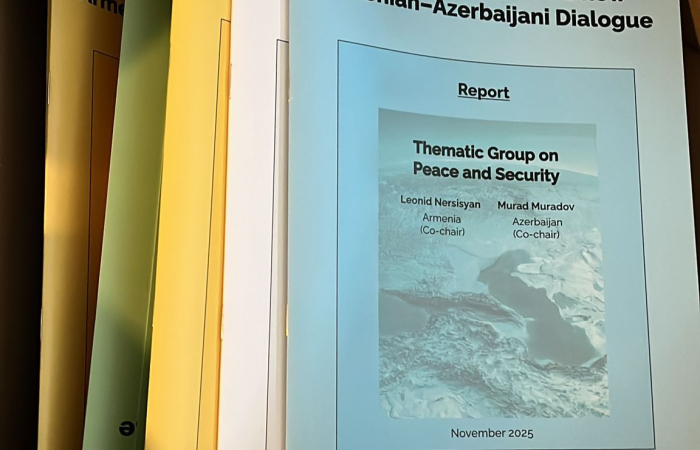
In this analysis,  veteran Azerbaijani journalist and political commentator, Mehman Aliyev, draws lessons from the 1994 Armenia-Azerbaijan ceasefire, to assess what can be possible impact of ceasefire in Ukraine. According to diplomats, a negotiating format or a partial ceasefire based on a modified version of the twenty-eight points is entirely plausible in 2026. A frozen line of contact, monitored by international mechanisms while talks drag on, is more likely than a fully implemented peace treaty by early that same year. “This document opens a window,” said political commentator Farid Gakhramanov. “Whether it means the end of the war or the beginning of a new frozen conflict will depend on the decisions of Moscow, Kyiv, Washington, and Brussels — not on the document itself.” (You can read the full analysis by clicking the image)
Filter archive

Publication date
Editor's choice
News
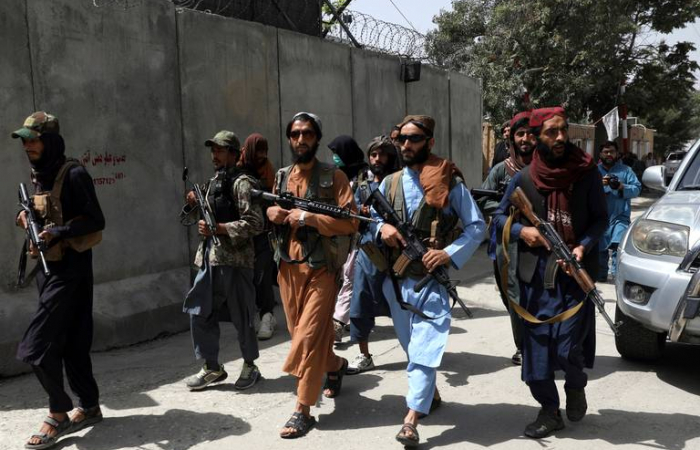
Afghanistan's “pandora's box” opens and out comes ISIS-K

Afghanistan's “pandora's box” opens and out comes ISIS-K

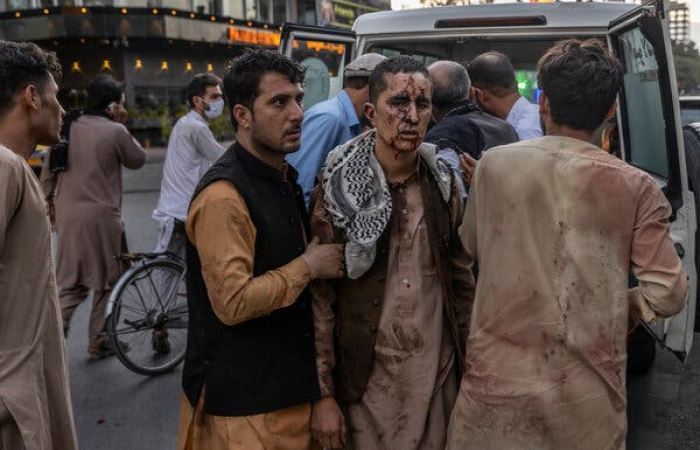
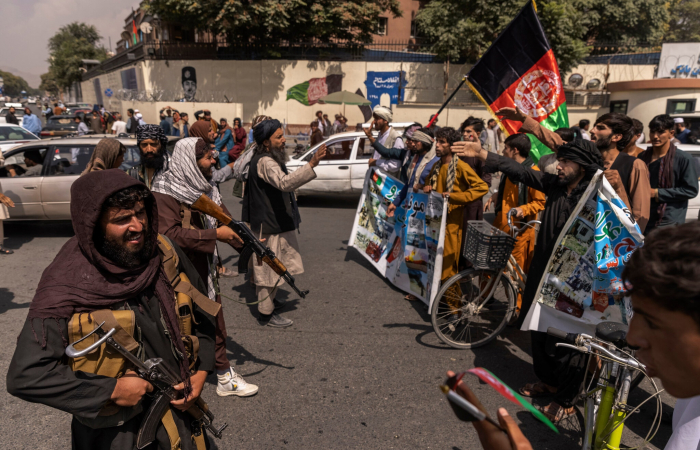
Very few people had heard of them before, but following the heinous attacks in the last twenty four hours against civilians crowding at the gates of Kabul airport in a desperate attempt to leave the country, everyone is talking about ISIS-K. More than ninety people died in the attacks, and many more were injured.
Editor's choice
News
Slow progress in Yemen despite "rare international consensus"

Slow progress in Yemen despite "rare international consensus"

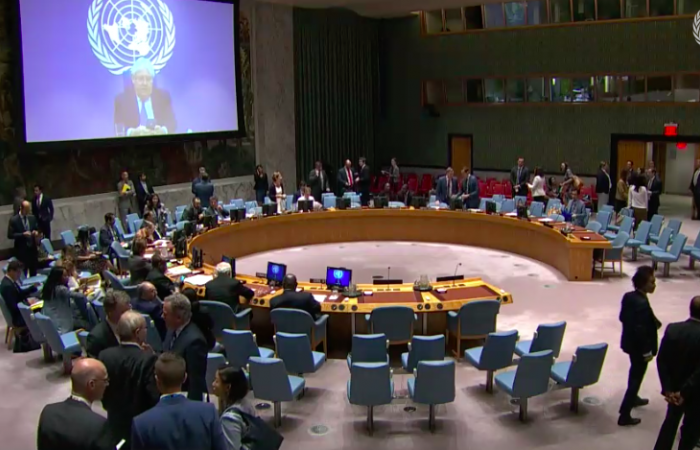
UN Under-Secretary-General for Humanitarian Affairs Martin Griffiths warned on Monday (23 August) at a Security Council session that 5 million Yemenis are on the brink of famine. The US ambassador to the UN, Linda Thomas-Greenfield, called the Houthis to accept a ceasefire without pre-conditions. 
Editor's choice
Opinion
Opinion: China may end up being the biggest beneficiary of the Taliban power-grab in Afghanistan

Opinion: China may end up being the biggest beneficiary of the Taliban power-grab in Afghanistan

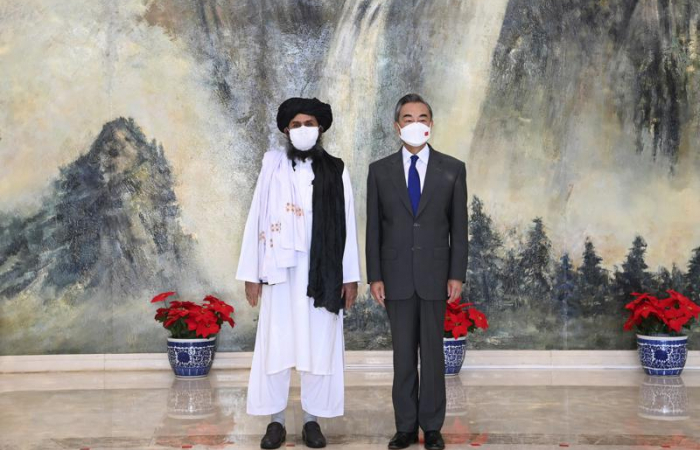
Beijing can turn the situation in Afghanistan to its own advantage, argues Benyamin Poghosyan in this op-ed. Afghanistan has significant minerals, including rare earth metals, which China will be glad to import. Beijing  could also include Afghanistan in the “Belt and Road initiative” and use it as another land route towards Iran and the Central Asian republics via Pakistan, and through Iran via Turkey or via Armenia-Georgia-Black Sea route to Europe.
Editor's choice
Commentary
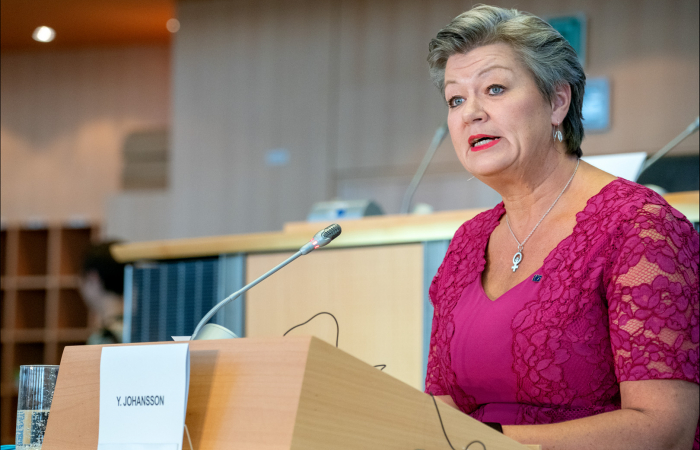
Commentary:  State-building cannot be imposed from outside; the EU and others must learn lessons from Afghanistan

Commentary: State-building cannot be imposed from outside; the EU and others must learn lessons from Afghanistan

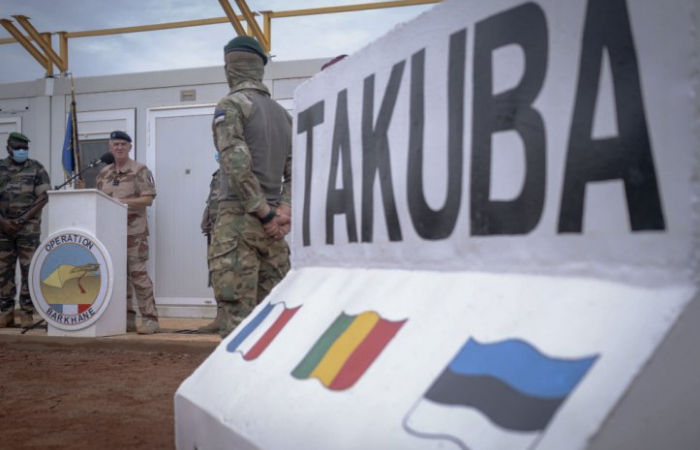
A state cannot be built from outside, with a foreign army standing on top of it to supervise the process, argues Dennis Sammut in this commentary. As the EU expands its global ambitions, it must be aware of the risks of "mission creep" and make sure the mistakes in Afghanistan are not repeated.
Editor's choice
News
Taliban say victory over the Americans was a divine blessing

Taliban say victory over the Americans was a divine blessing

In a statement marking Afghan independence day, the Taliban said that "Fortunately, today we are celebrating the anniversary of independence from Britain. We at the same time as a result of our jihadi resistance forced another arrogant power of the world, the United States, to fail and retreat from our holy territory of Afghanistan".