Region

Ukraine and Eastern Europe

Stories under this heading cover Ukraine and Eastern Europe. 

Editor's choice
News
NATO Chief says war is on Europe's doorstep, and warns against complacency

NATO Chief says war is on Europe's doorstep, and warns against complacency

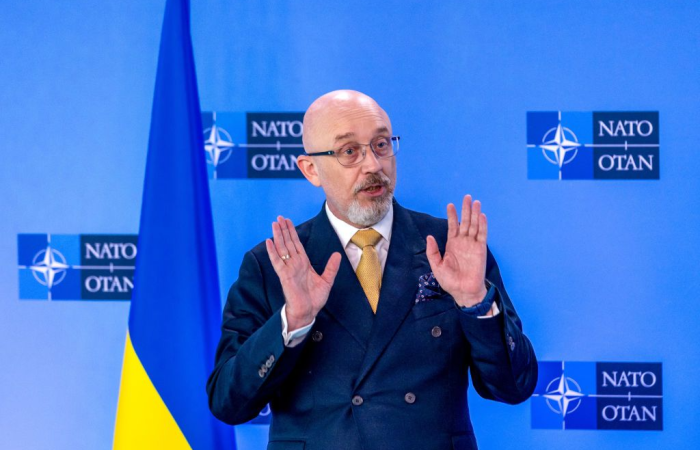
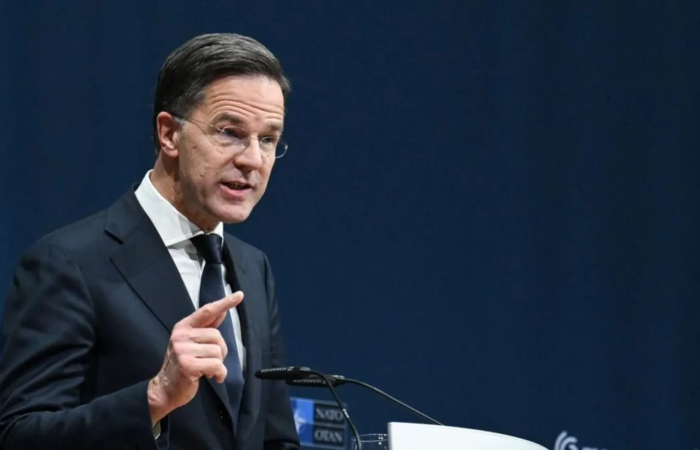
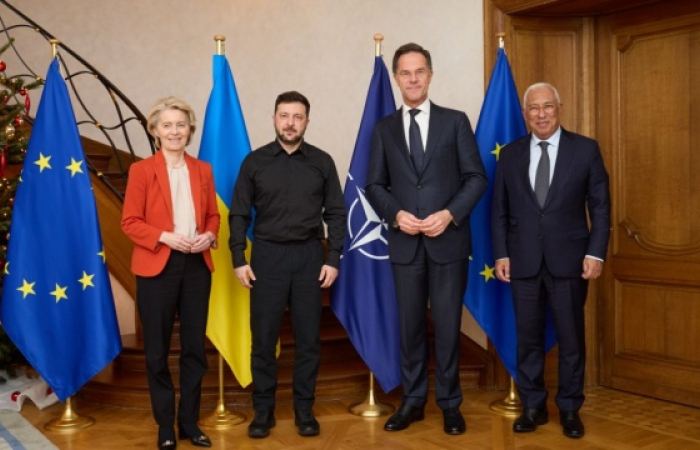
Russia could attack a NATO country within the next five years, the Secretary General of NATO, Mark Rutte, said in a stark new warning. "NATO's own defences can hold for now," Rutte warned in Berlin, but conflict was "next door" to Europe, and he feared "too many are quietly complacent, and too many don't feel the urgency, too many believe that time is on our side. "Russia is already escalating its covert campaign against our societies," Rutte said in a speech in Germany. "We must be prepared for the scale of war our grandparents or great-grandparents endured." Earlier this month, Russia's President Vladimir Putin said his country was not planning to go to war with Europe, but it was ready "right now" if Europe wanted to - or started a war. But similar reassurances were given by Moscow in 2022, just before 200,000 Russian troops crossed the border and invaded Ukraine. Putin has accused European countries of hindering US efforts to bring peace in Ukraine - a reference to the role Ukraine's European allies have recently played in trying to change a US peace plan to end the war, whose initial draft was seen as favouring Russia. But Putin was not sincere, Nato's secretary-general said in the German capital, Berlin. Supporting Ukraine, he added, was a guarantee for European security. "Just imagine if Putin got his way; Ukraine under the boot of Russian occupation, his forces pressing against a longer border with Nato, and the significantly increased risk of an armed attack against us." Russia's economy has been on a war footing for more than three years now - its factories churn out ever more supplies of drones, missiles and artillery shells. According to a recent report by the Kiel Institute for the World Economy, Russia has been producing each month around 150 tanks, 550 infantry fighting vehicles, 120 Lancet drones and more than 50 artillery pieces. The UK, and most of its Western allies, are simply not anywhere near this point. Analysts say it would take years for Western Europe's factories to come close to matching Russia's mass-production of weapons. "Allied defence spending and production must rise rapidly, our armed forces must have what they need to keep us safe," the Nato chief said.
Filter archive

Publication date
Editor's choice
News
Ukrainian alarm over Zaporizhzhia nuclear power plant grows, Zelensky warns of provocation

Ukrainian alarm over Zaporizhzhia nuclear power plant grows, Zelensky warns of provocation

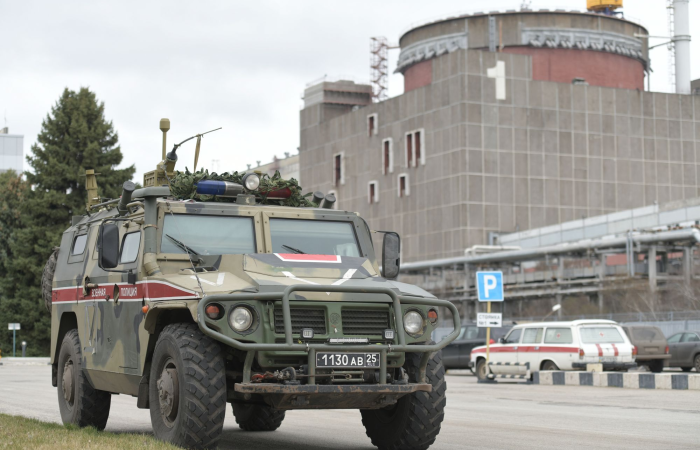
Alarm is growing in Ukraine over the fate of the Zaporizhzhia Nuclear Power Plant (NPP), which has been under Russian control since the opening weeks of Russia's full-scale invasion of Ukraine in February last year. In his nightly address on Tuesday (4 July), Ukrainian President Volodymyr Zelensky warned that Russia is "preparing a provocation" at the Zaporizhzhia NPP. Citing Ukrainian intelligence, President Zelensky said that Russia has placed explosives on the roof of two power units, raising concerns that Russia could deliberately damage the power plant under their control to hinder Ukraine's ongoing counteroffensive. The General Staff of Ukraine's Armed Forces also reported that Russia is preparing a strike "in the near future", adding that "their detonation should not damage power units but may create a picture of shelling by Ukraine's military". Zelensky also said that "now the whole world must realise that common security depends entirely on global attention to the occupiers' actions at the station". Earlier on 20 June, citing intelligence, President Zelensky also warned that Russia was considering attacking the NPP through radiation leakage.
Editor's choice
News
Ukraine continues counteroffensive with small but steady gains, US to send $500m in military aid

Ukraine continues counteroffensive with small but steady gains, US to send $500m in military aid

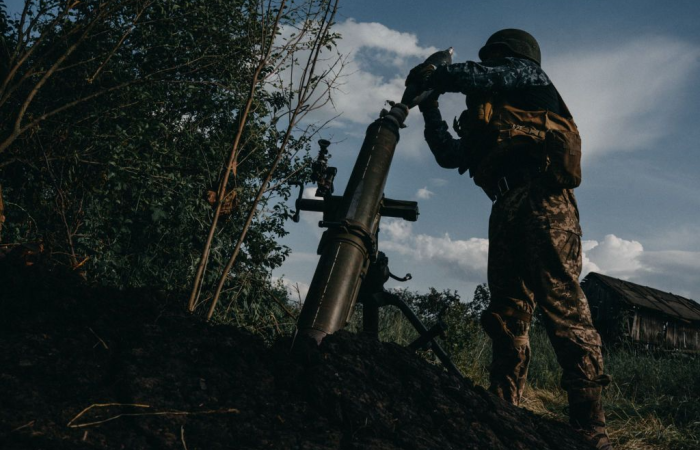
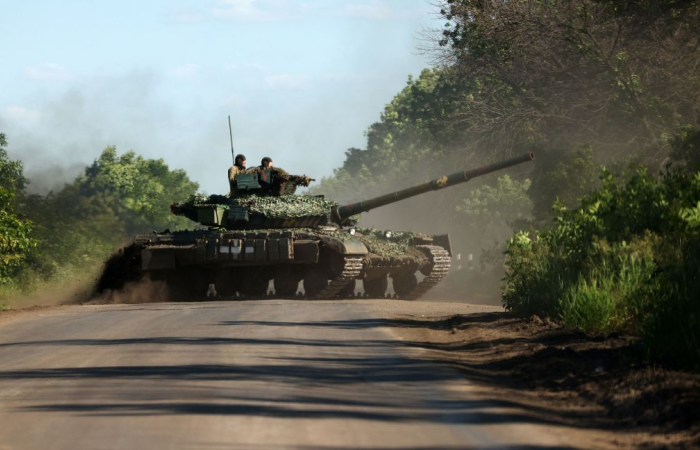
Ukraine's counteroffensive against occupied Russian positions in the east and south of the country have continued in recent days, with Ukraine making small but steady gains in all directions, according to Ukrainian authorities. On Monday (26 June), Deputy Defense Minister Hanna Maliar confirmed that Ukrainian forces had liberated one of two settlements in Donetsk Oblast called Rivnopil, with the liberated one being located close to the border with the neighbouring Zaporizhzhia Oblast. The Kyiv Independent writes that Rivnopil is the ninth settlement liberated by Ukrainian forces, in what has been a slow but steady counteroffensive that began in the early days of June. The other settlements recaptured by Ukraine include Lobkove, Levadne, Piatykhatky, and Novodarivka in Zaporizhzhia Oblast and Donetsk Oblast's villages of Neskuchne, Storozheve, Makarivka, and Blahodatne. Elsewhere, on the Bakhmut axis in the eastern Donetsk Oblast, both the U.K. Ministry of Defense and Maliar reported Ukrainian advances.
Editor's choice
News
Kyiv under Russian attack as African leaders arrive on peace mission

Kyiv under Russian attack as African leaders arrive on peace mission

Leaders and representatives of seven African countries - South Africa, Senegal, Zambia, Uganda, the Republic of the Congo, Comoros and Egypt - as well as the African Union chief Azali Assoumani, have arrived in Kyiv on Friday (16 June) to promote an African peace plan aimed at ending the ongoing war in Ukraine. South African President Cyril Ramaphosa is among the African delegation, and arrived at Kyiv's Nemishaeve railway station where he was greeted by Ukraine's special envoy for Africa and the Middle East, Maksym Subkh, as well as the South African ambassador to Ukraine, Andre Groenewald. According the Reuters news agency, the full peace proposal, which has not yet been made public, includes suggestions of a full withdrawal of Russian troops, the removal of all tactical nuclear weapons from the territory Belarus, the suspension of an International Criminal Court arrest warrant for Vladimir Putin, and broad sanctions relief. After arriving in Kyiv, African leaders headed to the Kyiv suburb of Bucha to pay there respects to the some 458 people who were killed during a brief Russian occupation in the opening weeks of the full-scale invasion last year, and are buried in a mass grave there.
Editor's choice
News
Russian attacks on Ukraine's Kryvyi Rih, Odesa and Donetsk Oblast kill 18, injure many more

Russian attacks on Ukraine's Kryvyi Rih, Odesa and Donetsk Oblast kill 18, injure many more

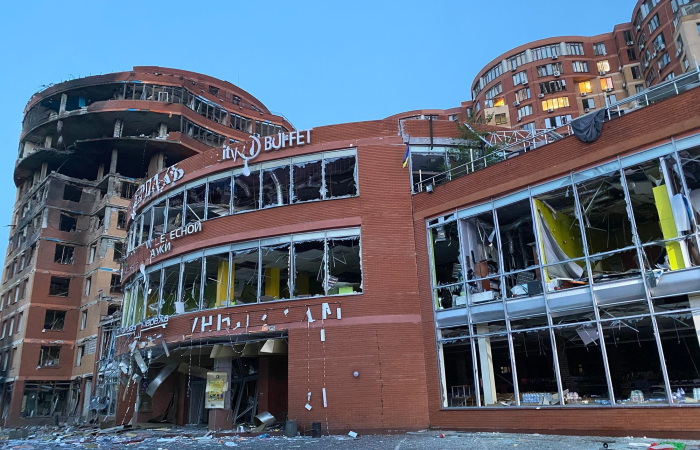
The past two days have seen Russian missile and drone strikes targeting the Ukrainian cities of Kryvyi Rih, Odesa, and Kramatorsk and Kostiantynivka in Donetsk Oblast, in total killing at least 18 people and injuring at least 50. At approximately 3.20am on Tuesday morning (13 June), only one of six missiles fired by Russian forces at the home town of Ukrainian President Volodymyr Zelensky breached air defenses, striking an appartment block and a food warehouse. As of 9am CET on Wednesday (14 June), Ukrainian authorities have said the strike has killed 12 people, and injured at least 35. More than 70 residential buildings were also damaged as a result of the missile strike, as well as three schools, three buildings of two other educational institutions, and a dormitory. Then, at approximately 2.30am on Wednesday morning, reports emerged of another Russian overnight attack on the southern city of Odesa. Ukraine's Southern Command has reported that at least 3 people were killed by a strike on the warehouse of a retail chain, which caused a large fire.
Editor's choice
News
600 square kilometres of southern Ukraine flooded after dam collapse

600 square kilometres of southern Ukraine flooded after dam collapse

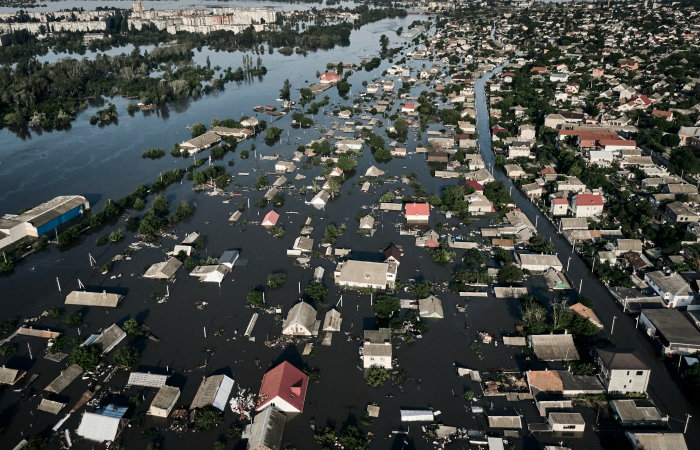
600 square kilometres in Ukraine's southern Kherson region have been flooded after the Nova Kakhovka dam collapsed in the early hours of Tuesday (6 June). This was announced by the region's governor, Oleksandr Produkin. Speaking on Telegram, Produkin also said 32% of the flooded area is on the Ukrainian controlled right bank and 68% on the Russian occupied left bank. The average water level in flooded areas is currently 5.61m, with the town of Oleshky being particularly badly affected. In total, 30 communities have been affected, according to Ukrainian officials. As of Thursday morning (8 June), 2,000 people have been evacuated from affected areas while some who are stranded on the roofs of their homes in Russian-controlled areas have received drinking water by drone, the governor said. There have also been reports of Russian forces shelling affected areas and even shooting at Ukrainians trying to rescue people affected by the floods. While thousands have been made homeless, Ukrainian officials have said that hundreds of thousands now have no access to clean water, and irrigation systems served by the Dnieper river have been swept away, seriously damaging fertile land that could take years to recover.