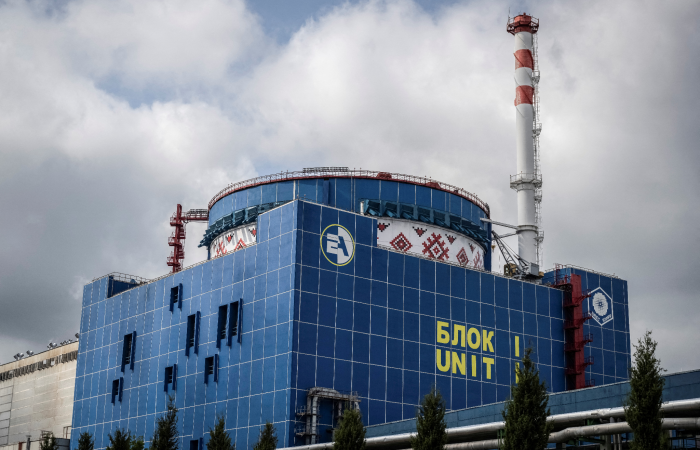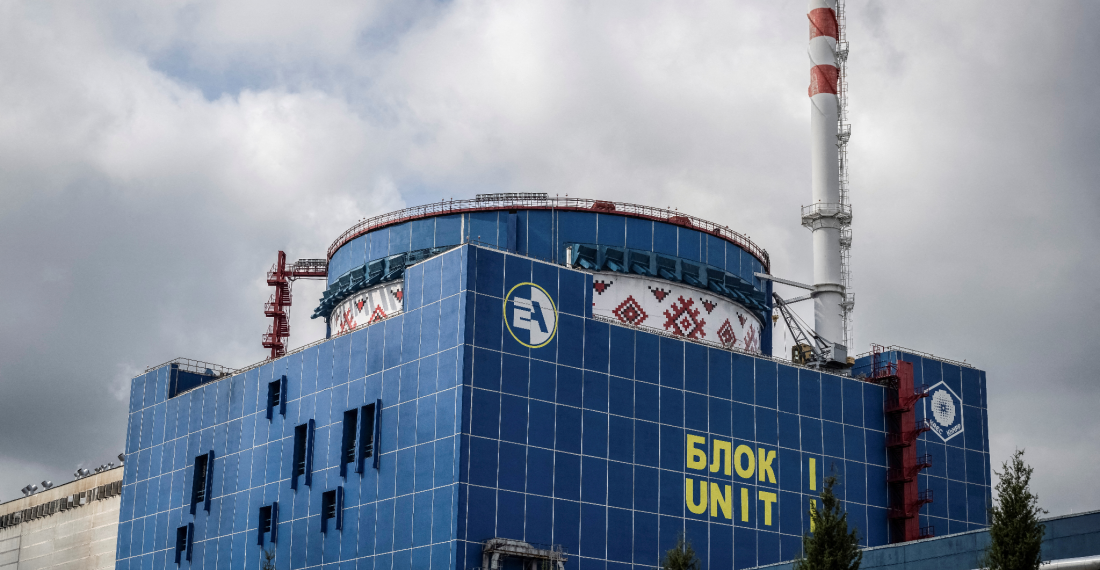
International nuclear safety regulators representing 38 countries have warned that the risk of a nuclear accident in Ukraine is increasing this winter as Russia intensifies attacks on the country's energy infrastructure. In a joint statement issued on Monday (November 16), three regulatory organisations called on Moscow to halt strikes against Ukrainian nuclear facilities and the electricity network essential to their safe operation.
The statement was issued by the Heads of European Radiological Protection Competent Authorities (HERCA), the Western European Nuclear Regulators Association (WENRA) and the Heads of the Nordic Radiation Safety Authorities (NORA). Their members include representatives from all EU countries, as well as the United States, Britain, Canada and Japan. They expressed concern that continued attacks on power plants, transmission lines and electricity substations could undermine the safe operation of Ukraine's nuclear facilities.
The main concern is the potential disruption of electricity supplies required to maintain reactor cooling systems. A prolonged loss of external power could force nuclear facilities to depend on emergency backup systems, increasing the risk of overheating and a possible meltdown. Such an incident could release radioactive material into the atmosphere, with consequences extending beyond Ukraine's borders.
Per Strand, head of HERCA and NORA, told Reuters that Russian attacks had become more dangerous in recent weeks, with drones carrying larger payloads and demonstrating greater targeting precision. He identified this winter as the period of greatest risk, warning that the worst-case scenario would involve a nationwide blackout affecting all nine of Ukraine's operating nuclear reactors simultaneously. Strand stressed that the situation could still be prevented if Russia were pressured to stop attacking energy infrastructure, while urging European countries to strengthen their emergency preparedness.
Already, the International Atomic Energy Agency (IAEA) reported on Saturday (November 14) that military activity had disrupted Ukraine's electricity supply during the preceding week, forcing some operating nuclear units to reduce their power output.
Ukraine has four nuclear power plants, three of which are currently operational and supply approximately 80% of the country's electricity this winter. The fourth, the Russian-occupied Zaporizhzhia nuclear power plant, Europe's largest, is no longer generating electricity but continues to depend on external power to maintain the cooling of its nuclear material. According to the IAEA, the facility has lost its off-site electricity supply 27 times since the beginning of the war, repeatedly requiring emergency diesel generators to sustain essential operations.
Source: commonspace.eu with Reuters (London) and The Independent (London).