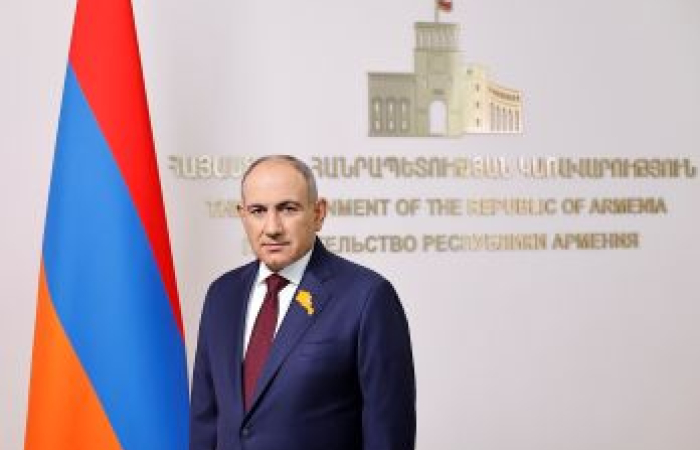
Speaking last June, Prime Minister Nikol Pashinyan said that ties with Moscow “will no longer be what they were before,” signalling a shift rather than a definitive break in relations. Now, in the light of the upcoming elections in June 2026, Armenia’s relationship with Russia is one of the key discussion points as political parties, analysts and government officials debate the country’s future direction ahead of parliamentary elections scheduled for June 2026.
For decades, Russia was Armenia’s main security and economic partner. But cooperation has weakened in recent years, with Armenia freezing participation in the Russian-led Collective Security Treaty Organization (CSTO) alliance, Russian border guards withdrawing from some locations, and Yerevan expanding ties with the European Union and the United States.
A major point of dispute is Armenia’s railway system, operated by a Russian company under a concession agreement signed in 2008. In a press statement on 13 February, Pashinyan said Armenia could consider bringing in a third-country operator if Russia cannot modernise or restore key sections of the network. Russian officials reacted sharply: Security Council Secretary Sergei Shoigu reportedly called the idea “ill-conceived,” while Foreign Ministry spokesperson Maria Zakharova described it as “bizarre and unacceptable.”
Meanwhile, Armenian analysts remain divided. Some argue Russia’s influence is declining because of the war in Ukraine and Moscow’s reduced capacity in the South Caucasus. Others warn Armenia still depends heavily on Russia for trade, remittances, energy and access to markets, making any rapid break risky.
In an interview with Caucasus Watch, political commentator Arnold Bleyan said Armenia is likely to gradually reduce dependence on Russia if relations with Azerbaijan and Türkiye improve and borders reopen. He also warned of possible Russian attempts to influence Armenian politics through media narratives, cyber activity and support for opposition groups. On the other hand, interviewed also by Caucasus Watch, academic Grigor Balasanyan said accusations of Russian “hybrid warfare” are overstated and argued that European involvement in Armenia’s electoral process is more visible.
Former president Robert Kocharyan and other opposition figures have criticised the government’s foreign policy. They call for a more balanced approach that avoids dragging Armenia into rivalries between outside powers or chasing short-term geopolitical advantages.
The June 2026 election is now expected to be a key test of Armenia’s geopolitical course. A renewed mandate for Pashinyan could accelerate closer ties with Western partners, while an opposition victory may bring a more balanced approach that favours closer ties with Russia in order to avoid dragging Armenia into rivalries between outside powers or chasing short-term geopolitical advantages.
Source: commonspace.eu with Caucasus Watch