Theme

Diplomacy

Editor's choice
News
Germany accuses Russia of cyberattacks and disinformation campaign

Germany accuses Russia of cyberattacks and disinformation campaign

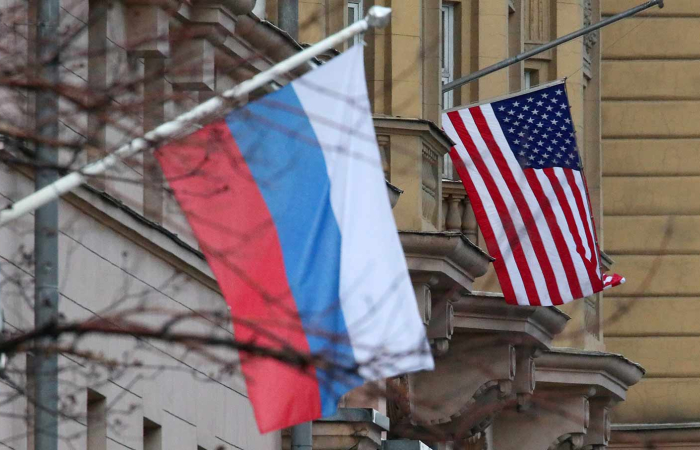
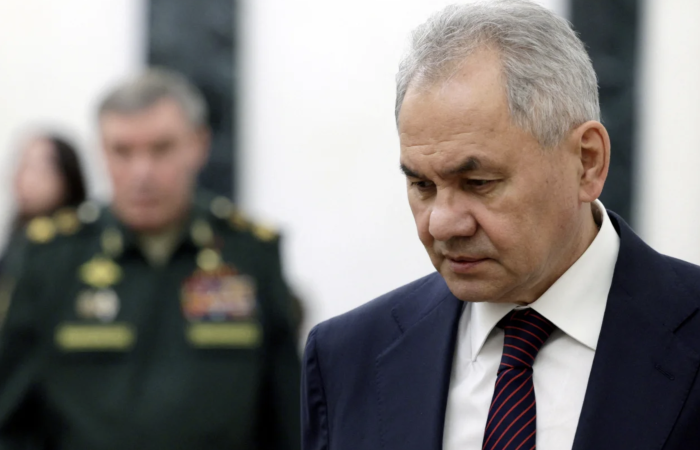
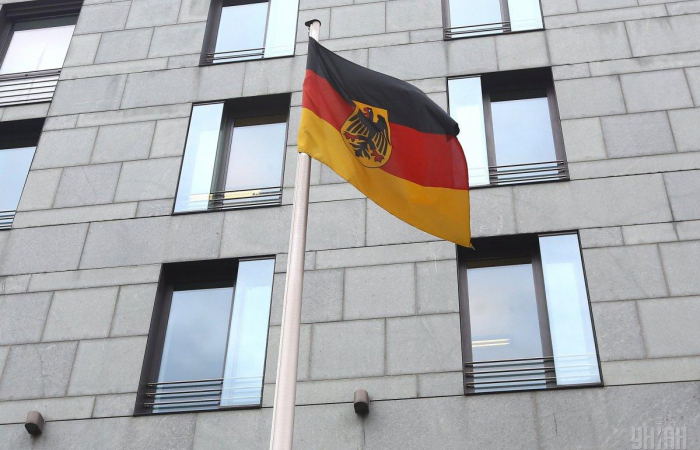
The German government holds Russia responsible for a cyberattack on German air traffic control, and for targeted disinformation campaigns before the last federal election. According to the German Foreign Office in Berlin, the incidents could be clearly attributed to the Russian military intelligence service, the GRU. In response, the Russian ambassador to Berlin was summoned to the Foreign Ministry. "We have been observing a massive increase in threatening hybrid activities by Russia for some time now," a spokesperson for the Foreign Ministry stated. These range from disinformation campaigns and espionage to cyberattacks and sabotage attempts. The aim is to divide society, sow distrust, and undermine confidence in democratic institutions. The spokesperson added that with these actions, Russia is "very concretely threatening our security, not only through its war of aggression against Ukraine, but also here in Germany."  The Foreign Ministry spokesperson explained that the cyberattack on air traffic control in August 2024 was clearly attributed to the hacker collective "APT28," known as "Fancy Bear," and to the responsibility of the Russian military intelligence service, the GRU. Furthermore, it could now be "conclusively stated" that Russia had attempted "to influence and destabilize both the last Federal election and the ongoing internal affairs of the Federal Republic of Germany." There was "absolutely irrefutable evidence" for this". The so-called "Storm 1516" campaign, which has been running since 2024, is allegedly backed by "reliable information" that the Moscow-based think tank "Center for Geopolitical Expertise" is behind it. The Center is also said to be supported by Russian military intelligence. Its primary aim is to influence democratic elections in the West. (Click the image to read more).
Editor's choice
Opinion
Opinion: A sustainable peace requires consistent long-term European involvement

Opinion: A sustainable peace requires consistent long-term European involvement

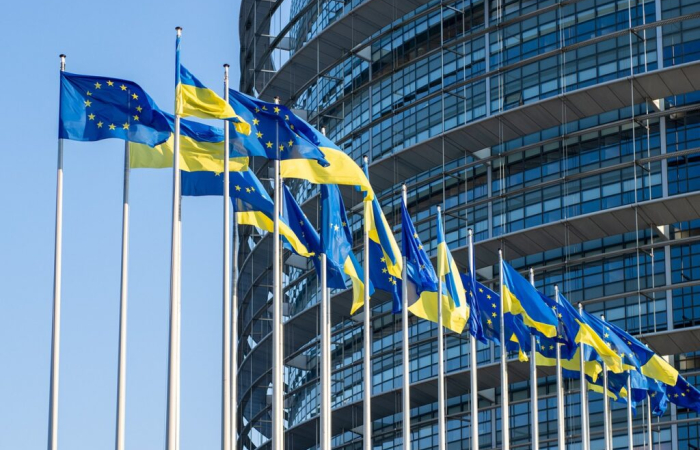
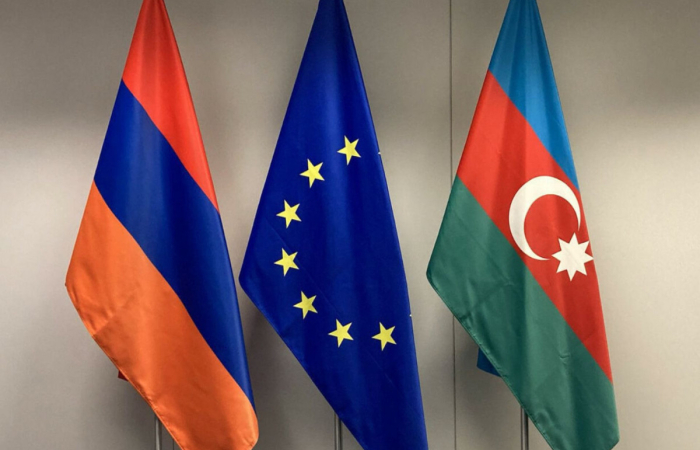
There is no denying that the EU, especially key member states acting in support, helped bring Baku and Yerevan closer to the Washington Declaration of August 8, 2025. But a declaration is not a treaty. Turning principles into a peace deal and eventually to a sustainable peace requires consistent long-term European involvement, writes Yalchin Mammadov in this-op-ed for commonspace.eu Before facilitating trust between Armenia and Azerbaijan, the EU is first expected to address its own credibility gap with Baku. A more balanced approach—such as including Azerbaijan, alongside Armenia, in the European Peace Facility—could be a useful first step. Diplomats can negotiate peace; societies must build peace. In this context, the EU can do what it does the best: long-term societal engagement. By expanding youth and academic exchange programmes, investing in cross-border civil society initiatives, and fostering people-to-people cooperation, Brussels can help shape a new generation equipped to sustain peace beyond political cycles. Such tools are slow and unglamorous, but if ignored, even the strongest treaty risks collapse. And obviously, these aspects require two-way engagement and genuine willingness by both governments to facilitate contact. If Brussels wants to remain influential, it needs to replace outdated one-size-fits-all policies with ambitious, interest-driven and differentiated approaches. Without a clear regional strategy, which appears to be the current situation, the South Caucasus will continue to sit at the margins of Europe’s security architecture—leaving space for other powers to take the lead. (You can read the op-ed in full by clicking the image.)

Filter archive

Publication date
Editor's choice
News
Türkiye mediates talks between Somalia and Ethiopia

Türkiye mediates talks between Somalia and Ethiopia

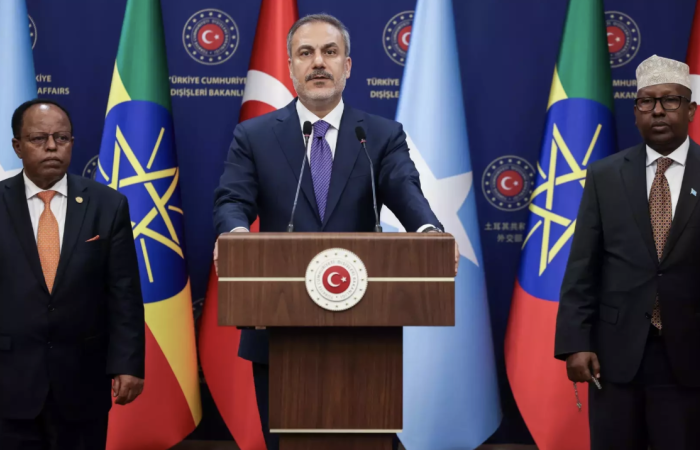
Türkiye mediated talks between Somalia and Ethiopia on Monday (1 July) to ease diplomatic tensions between the two African neighbours, the Turkish Foreign Ministry said. Ethiopian Foreign Minister Taye Atske Selassie and Somali Foreign Minister Ahmed Moallim Fiqi held a frank and forward-looking discussion on their differences, mediated by Turkish Foreign Minister Hakan Fidan. The negotiations are the latest effort to mend diplomatic relations between the East African neighbours. Tensions arose after Ethiopia signed a memorandum of understanding with the breakaway region of Somaliland in January, which Somalia condemned as a violation of its sovereignty and territorial integrity.
Editor's choice
News
Thousands of Yemeni pilgrims stranded in Saudi Arabia after Houthis seize Yemenia planes

Thousands of Yemeni pilgrims stranded in Saudi Arabia after Houthis seize Yemenia planes

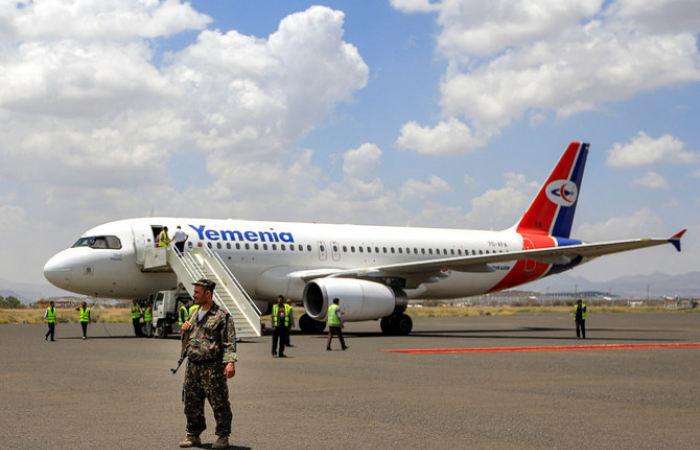
At least 1,000 Yemeni pilgrims are stranded in Saudi Arabia after the Houthis seized Yemenia Airways flights that were to take them from the kingdom to Houthi-held Sanaa, the Yemeni government said on Saturday (29 June). Last week, the Houthis took control of three Yemenia planes at Sanaa airport, preventing them from returning to Jeddah airport in Saudi Arabia to take Yemeni pilgrims home. The Yemeni government accused the Houthis of "hijacking" the planes and worsening the plight of the Yemeni people.
Editor's choice
News
Outgoing Dutch PM Mark Rutte officially named next NATO chief

Outgoing Dutch PM Mark Rutte officially named next NATO chief

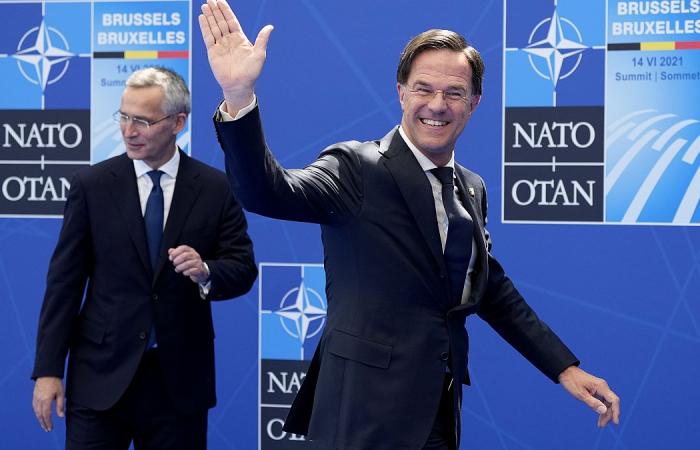
The 32 NATO countries have officially elected outgoing Dutch Prime Minister Mark Rutte as the next Secretary General of the transatlantic military alliance. NATO made the announcement on Wednesday (26 June). Rutte will take over when current NATO chief Jens Stoltenberg completes his final term on 1 October 2024.
Editor's choice
News
International Criminal Court issues arrest warrant for former Russian defence minister

International Criminal Court issues arrest warrant for former Russian defence minister

The International Criminal Court (ICC) issued an arrest warrant on Tuesday (25 June) for former Russian Defence Minister Sergei Shoigu. He is suspected of being responsible for attacks on civilian targets in Ukraine between October 2022 and March 2023. An arrest warrant has also been issued for Valery Gerasimov, commander-in-chief of the Russian army.
Editor's choice
News
EU adopts 14th package of sanctions against Russia

EU adopts 14th package of sanctions against Russia

The Council of the European Union on Monday (24 June) adopted a 14th package of economic and individual restrictive measures against Russia, "dealing a further blow to the Putin regime and those who perpetuate its illegal, unprovoked and unjustified war of aggression against Ukraine". These measures are designed to target high-value sectors of the Russian economy, such as energy, finance and trade, and make it increasingly difficult to evade EU sanctions.
Editor's choice
News
EU tariffs on China are not punishment, says German economy minister

EU tariffs on China are not punishment, says German economy minister

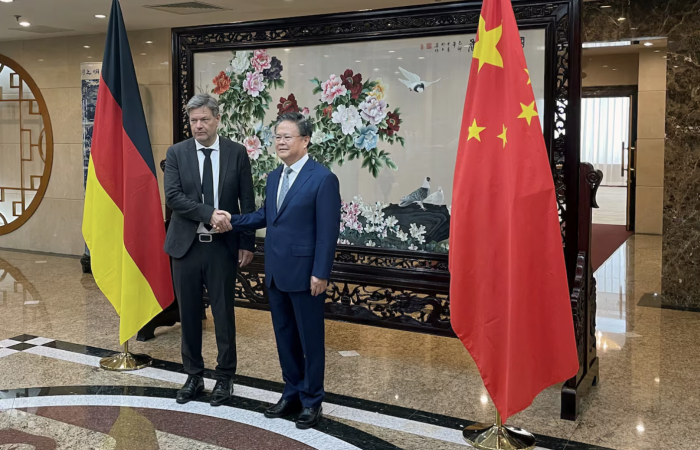
Proposed European Union tariffs on Chinese goods are not a "punishment", German Federal Minister for Economic Affairs and Climate Action Robert Habeck assured Chinese officials in Beijing on Saturday (22 June). The visit is the first by a senior European official since Brussels proposed significant tariffs on imports of Chinese-made electric vehicles (EVs) in response to what the EU sees as excessive subsidies. Ahead of Habeck's arrival, China warned that rising tensions over EVs could spark a trade war. "It is important to understand that these are not punitive tariffs," Habeck told the opening session of a dialogue on climate and transformation. He stressed that unlike the US, Brazil and Turkey, which have used punitive tariffs, the EU is taking a different approach.
Editor's choice
News
EU Commissioner for Climate Action Wopke Hoekstra visits Azerbaijan

EU Commissioner for Climate Action Wopke Hoekstra visits Azerbaijan

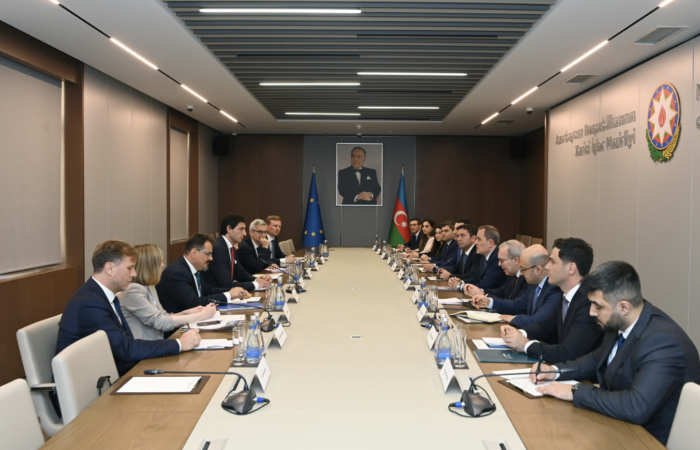
On Thursday (20 June), EU Climate Commissioner Wopke Hoekstra visited Azerbaijan as part of the preparations for COP29, which will be hosted by Baku in November 2024. He held several high-level bilateral meetings with government officials in Baku: Minister of Ecology and Natural Resources Mukhtar Babayev, Minister of Energy Parviz Shahbazov and Minister of Foreign Affairs Jeyhun Bayramov. Commissioner Hoekstra also met with representatives of civil society.
Editor's choice
News
The United States to give Ukraine priority for new Patriot missiles

The United States to give Ukraine priority for new Patriot missiles

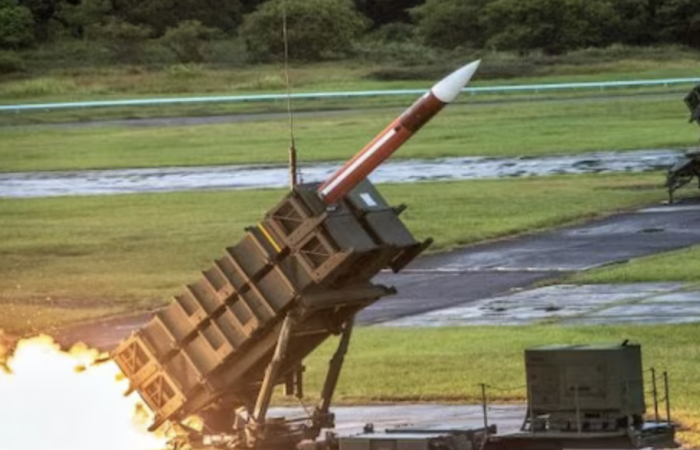
The United States is moving Ukraine to the top of the list to receive air defence interceptors to protect its cities from the onslaught of Russian missile attacks. The policy decision applies to interceptors used by the Patriot and other air defence systems to shoot down incoming missiles and drones. As a result, the US will give priority to Ukraine for Patriot surface-to-air missiles. Deliveries to other countries will be delayed to allow Ukraine to build up a sufficient stockpile.