Region

South Caucasus

The South Caucasus – a region encompassing Armenia, Azerbaijan and Georgia - is one of strategic importance, not only for adjacent countries, such as Turkiye, Russia, Iran and the Central Asian states, but also for neighbours such as the European Union and the GCC states, and globally for the United States, India, China, Pakistan and Japan.

commonspace.eu team brings decades of experience of working in the South Caucasus and we are pleased to share our insights with our loyal readers through the website, and the sister newsletter, Caucasus Concise.

Editor's choice
Opinion
Opinion: A sustainable peace requires consistent long-term European involvement

Opinion: A sustainable peace requires consistent long-term European involvement

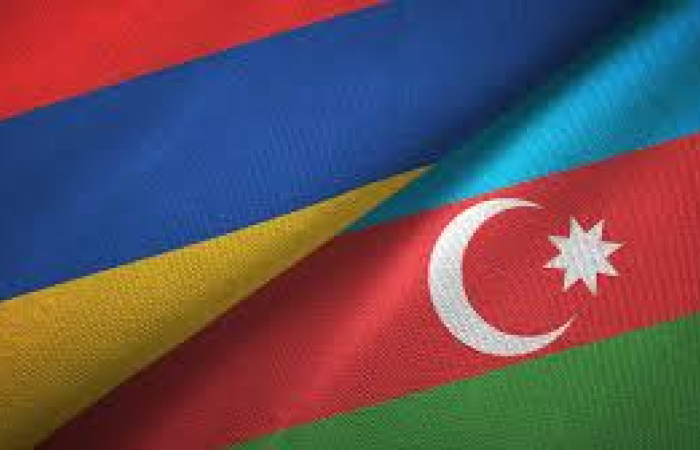
There is no denying that the EU, especially key member states acting in support, helped bring Baku and Yerevan closer to the Washington Declaration of August 8, 2025. But a declaration is not a treaty. Turning principles into a peace deal and eventually to a sustainable peace requires consistent long-term European involvement, writes Yalchin Mammadov in this-op-ed for commonspace.eu Before facilitating trust between Armenia and Azerbaijan, the EU is first expected to address its own credibility gap with Baku. A more balanced approach—such as including Azerbaijan, alongside Armenia, in the European Peace Facility—could be a useful first step. Diplomats can negotiate peace; societies must build peace. In this context, the EU can do what it does the best: long-term societal engagement. By expanding youth and academic exchange programmes, investing in cross-border civil society initiatives, and fostering people-to-people cooperation, Brussels can help shape a new generation equipped to sustain peace beyond political cycles. Such tools are slow and unglamorous, but if ignored, even the strongest treaty risks collapse. And obviously, these aspects require two-way engagement and genuine willingness by both governments to facilitate contact. If Brussels wants to remain influential, it needs to replace outdated one-size-fits-all policies with ambitious, interest-driven and differentiated approaches. Without a clear regional strategy, which appears to be the current situation, the South Caucasus will continue to sit at the margins of Europe’s security architecture—leaving space for other powers to take the lead. (You can read the op-ed in full by clicking the image.)
Editor's choice
Event
LFSC25: Yerevan meeting focuses on issues of landmines and remnants of war in Armenia and the South Caucasus

LFSC25: Yerevan meeting focuses on issues of landmines and remnants of war in Armenia and the South Caucasus

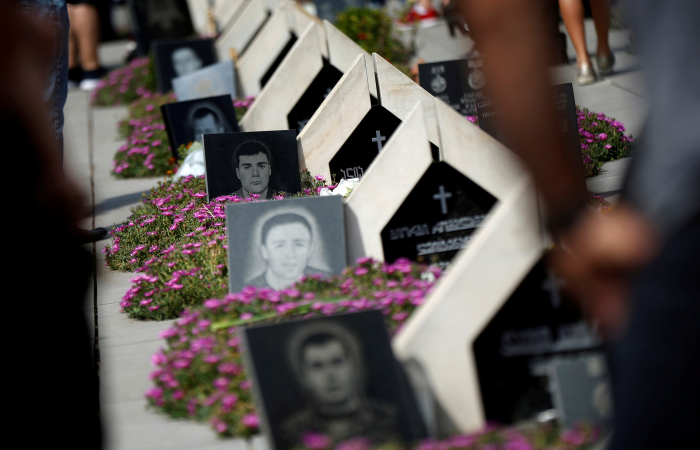
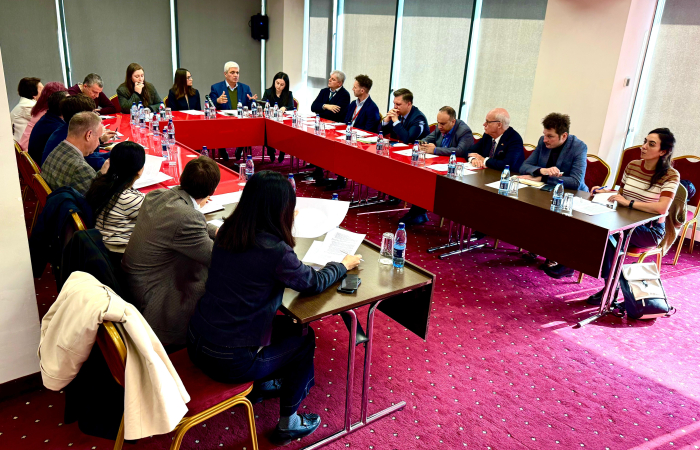
The meeting titled “The residue of conflict: Landmines and other remnants of war in the South Caucasus, and its victims” was held in Yerevan, Armenia, on Monday, 24 November 2025, in the framework of the 2025 regional campaign "Landmine Free South Caucasus" (LFSC25). Addressing the meeting, Mr Stepan Grigoryan, Chairman of the Armenian Analytical Center on Globalisation and Regional Cooperation, emphasized that the problem of landmines is mutual, and it exists in both Armenia and Azerbaijan. He argued that it is important in the peace process to address the humanitarian issues caused by landmines. In addition, he also stressed that it is important for experts to have conversations on the topic of demining, as often it is experts who begin the process that can then be taken further by governments. Stepan Grigoryan said he was happy to be collaborating with LINKS Europe on this important issue, and was glad to associate himself with the LFSC 25 appeal. Anahit Poghosyan, Adviser to the Secretary of the RA Security Council also spoke at the event. Ms Anahit Poghosyan said that the problem of landmines exists in Armenia, and that already around 800 people have been injured or killed due to landmine contamination. The border regions are highly affected, and around 200000 people live in proximity of contaminated areas. She stressed that landmine contamination is an important issue to solve. In addition, she added that Armenia remains committed to humanitarian principles and that experts have been involved in checking the contamination maps to ensure reliability. She ended on an important note that landmines undermine peace and development and pose a grave humanitarian situation in the region. (read more by clicking the image)

Filter archive

Publication date
Editor's choice
News
War anniversary reminds the world that Russia has seriously violated Georgia's territorial integrity

War anniversary reminds the world that Russia has seriously violated Georgia's territorial integrity

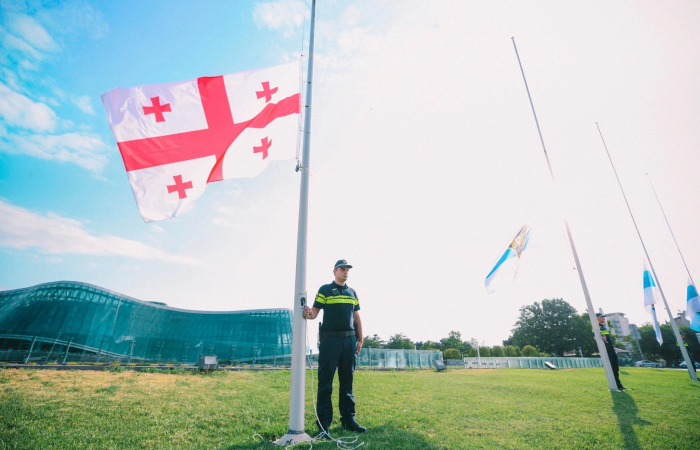
Georgia on Sunday marked the 14th anniversary of the start of the 2008 Georgia-Russia War which lasted five days.  2,232 Georgians were killed or injured during the fighting, of whom 1,045 persons were military personnel. After the August war, Russia recognized the independence of two regions of Georgia - Abkhazia and South Ossetia as independent states. Only a handful of other countries followed, and most nations continue to strongly support Georgia's territorial integrity. The European Union, the United States, the United Kingdom and a number of other countries issued statements on the occasion of the anniversary, once more reiterating their support for Georgia's territorial integrity. In a statement, the Georgian Foreign Ministry called on the Russian Federation "to cease illegal and provocative steps against Georgia, to respect the sovereignty and territorial integrity of Georgia, to fulfil the obligations under the EU-mediated 12 August 2008 Ceasefire Agreement, to withdraw its forces from the territory of Georgia and to reverse the illegal decision on recognition of the so-called independence of the occupied regions."
Editor's choice
Commentary
Commentary: War or Peace in the South Caucasus?

Commentary: War or Peace in the South Caucasus?

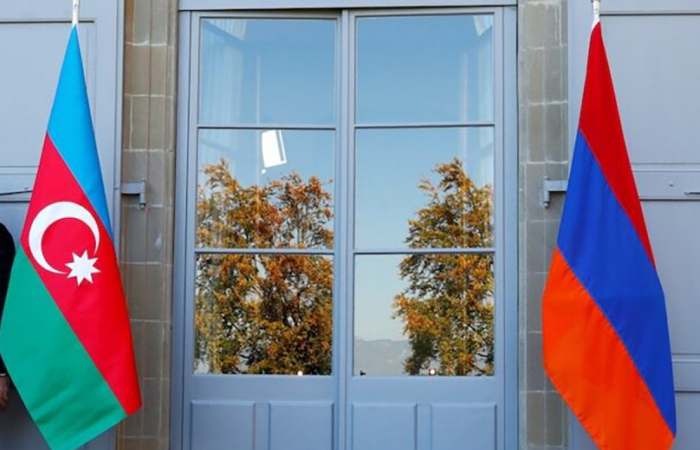
In their report “The South Caucasus from war to peace: 30 measures between now and 2030”, published last April, Armenian and Azerbaijani experts made a stark statement: “All the ingredients for peace exist in the South Caucasus. All the ingredients for war exist too. What is in front of us is a choice.” Never have these words sounded so pertinent as in these last days when in Armenia and in Azerbaijan the sounds of war and the sounds of peace competed with each other, with little sign of compromise. Yet neither war, nor peace, is inevitable. It is a choice, and one that both sides can neither make lightly nor take for granted. This week has once more shown that Armenia and Azerbaijan, and Armenians and Azerbaijanis, face a choice between war and peace. The death and injury of yet more Armenians and Azerbaijanis should focus minds, and increase mutual determination to work for lasting peace and to avoid any steps that can bring another war nearer.
Editor's choice
Opinion
Opinion: This unique and historic chance for peace should not be squandered

Opinion: This unique and historic chance for peace should not be squandered

"The negotiations between Baku and Yerevan  appear to be moving on the right path", writes Vasif Huseynov in this op-ed for commonspace.eu. "We can now expect that the leaders of Armenia and Azerbaijan will meet in the near future, as envisioned by the agreements at the Brussels summit on May 22, he writes. "For peace and security in the South Caucasus, it is vitally important that this positive atmosphere is preserved, the commitments undertaken in the trilateral statement are fulfilled, and that this unique historic chance for peace and reconciliation between Armenia and Azerbaijan is not taken for granted."
Editor's choice
News
EU and Azerbaijan seal strategic partnership agreement on energy security

EU and Azerbaijan seal strategic partnership agreement on energy security

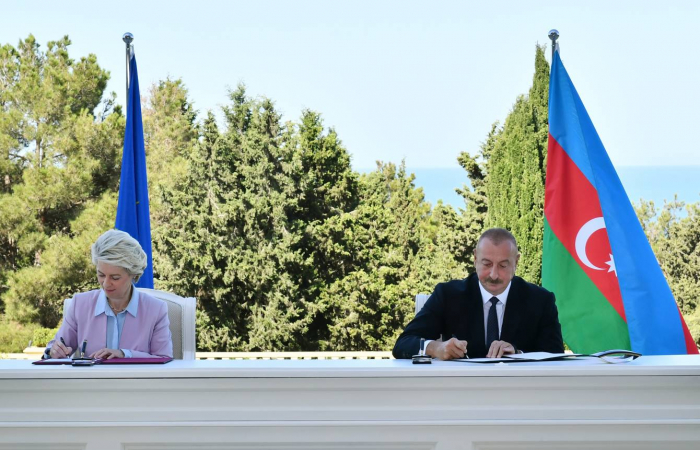
After years of uncertainty in EU-Azerbaijan relations, co-operation between the two sides has finally been put on a strategic footing with the signing in Baku on Monday (19 July) of a new "Memorandum of Understanding on a Strategic Partnership in the Field of Energy". The signing of the MOU comes at a crucial time when Europe is frantically trying to replace gas and other energy supplies from Russia, in the aftermath of the latter's invasion of Ukraine. A report on the website of the European Commission said that the memorandum signed by the two Presidents today includes a commitment to double the capacity of the Southern Gas Corridor to deliver at least 20 billion cubic metres to the EU annually by 2027. This will contribute to the diversification objectives in the REPowerEU Plan and help Europe to end its dependency on Russian gas. Based on the strengthened energy cooperation, Azerbaijan is already now increasing deliveries of natural gas to the EU, from 8.1 billion cubic metres in 2021 to an expected 12 bcm in 2022. commonspace.eu political editor said in a comment that "EU-Azerbaijan relations need to continue to be build, based on mutual respect and recognising the importance of people to people contacts for the future of the relationship. The EU on its part, especially now that the stakes are higher, needs to put more efforts in supporting lasting peace in the region. The energy agenda has its specific importance and aspects, but it cannot be seen in isolation of wider issues."
Editor's choice
Opinion
Opinion: Realism should be the basis for the Armenia-Turkey normalisation process

Opinion: Realism should be the basis for the Armenia-Turkey normalisation process

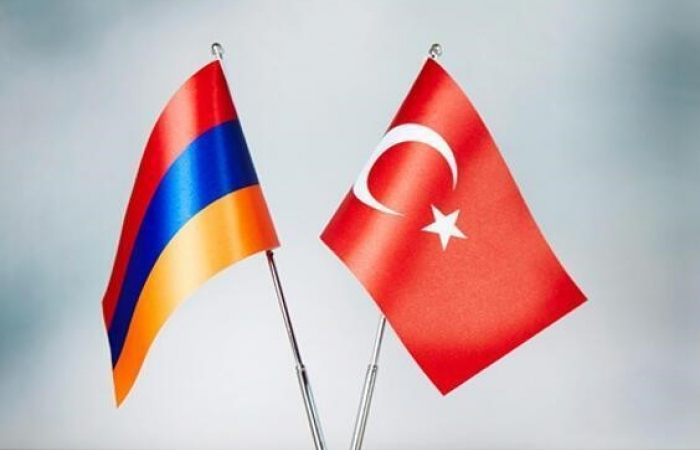
"There should be realistic expectations of what can result from ongoing discussions on the normalisation of relations between Armenia and Turkey", writes Benyamin Poghosyan in this op-ed for commonspace.eu. The potential normalisation of relations – establishment of diplomatic relations, and opening of land borders – does not mean that Armenia and Turkey will not have disagreements, contradictions, or even will not act against each other in particular circumstances. "Given the current situation in the South Caucasus, the region is far away from peace, and no one should have hopes that Armenia – Turkey normalization will solve conflicts and bring an era of peace to the region. However, in the current situation, even a contribution to regional stability is too significant an opportunity to miss."    
Editor's choice
Opinion
Opinion: Azerbaijan boosts ties with Central Asia as region adjusts to Ukraine crisis

Opinion: Azerbaijan boosts ties with Central Asia as region adjusts to Ukraine crisis

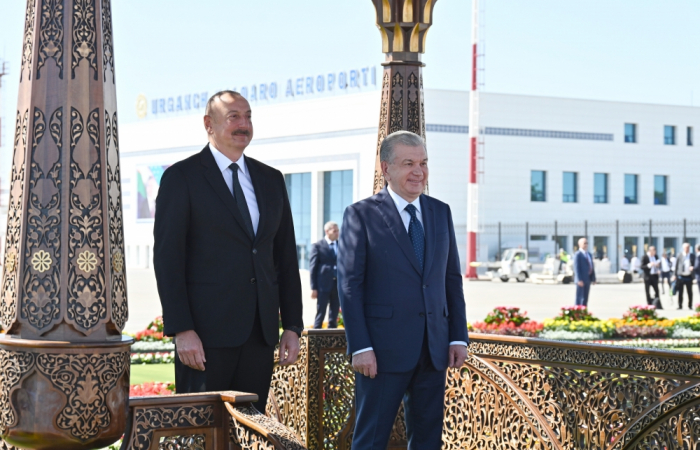
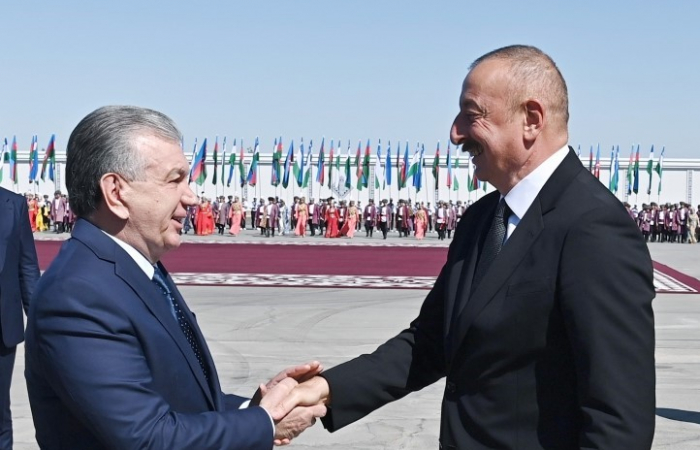
The fall-out from the Russian invasion of Ukraine has impacted all countries across the region. Azerbaijan and the Central Asian republics have stepped up their co-operation using multiple formats. "Amid the present security challenges in the region it is high time for Azerbaijan and the Central Asian countries to deepen bonds and ensure their security and prosperity, writes Vasif Huseynov in this op-ed for commonspace.eu
Editor's choice
News
Turkish and Armenian leaders speak on the phone in another step towards the normalisation of relations

Turkish and Armenian leaders speak on the phone in another step towards the normalisation of relations

Turkish President Recep Tayyip Erdogan and Armenian Prime Minister Nikol Pashinyan have stressed the importance of normalisation of their relations to the consolidation peace in the region, according to their respective press offices. The two leaders discussed the normalisation process in a phone call on Monday (11 July), seen as an important step in the ongoing efforts. "Recep Tayyip Erdogan and Nikol Pashinyan emphasized the importance they attach to the bilateral normalization process between Turkiye and Armenia, which will also contribute to the strengthening of peace and stability in the region," a statement by the Turkish presidency said. They also expressed hope that an agreement reached in early July would be implemented soon. The Armenian leader wrote on Twitter: "We expect early implementation of agreements reached in the meeting of our Special Representatives on July 1.” At that tmeeting the two envoys agreed on the early opening of their land border to the citizens of third countries.