Region

Russia

Stories under this heading cover Russia, as well as countries in the eastern part of the European continent, such as Belarus, Ukraine, and Moldova.

Editor's choice
News
Germany accuses Russia of cyberattacks and disinformation campaign

Germany accuses Russia of cyberattacks and disinformation campaign

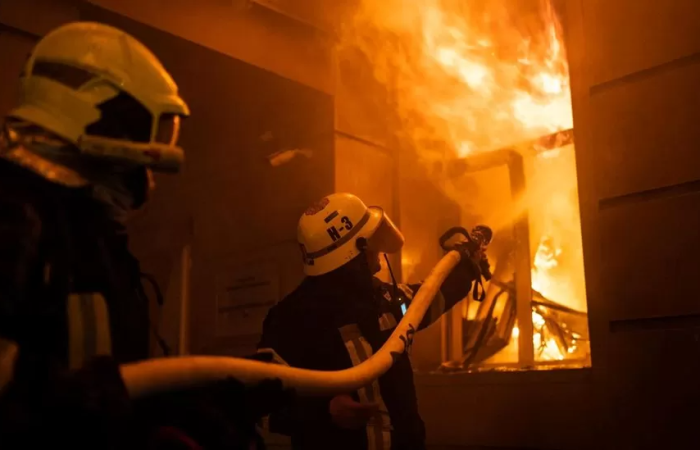
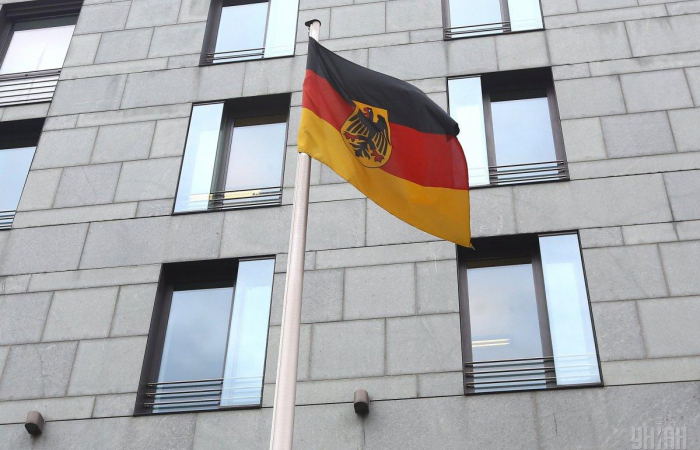
The German government holds Russia responsible for a cyberattack on German air traffic control, and for targeted disinformation campaigns before the last federal election. According to the German Foreign Office in Berlin, the incidents could be clearly attributed to the Russian military intelligence service, the GRU. In response, the Russian ambassador to Berlin was summoned to the Foreign Ministry. "We have been observing a massive increase in threatening hybrid activities by Russia for some time now," a spokesperson for the Foreign Ministry stated. These range from disinformation campaigns and espionage to cyberattacks and sabotage attempts. The aim is to divide society, sow distrust, and undermine confidence in democratic institutions. The spokesperson added that with these actions, Russia is "very concretely threatening our security, not only through its war of aggression against Ukraine, but also here in Germany."  The Foreign Ministry spokesperson explained that the cyberattack on air traffic control in August 2024 was clearly attributed to the hacker collective "APT28," known as "Fancy Bear," and to the responsibility of the Russian military intelligence service, the GRU. Furthermore, it could now be "conclusively stated" that Russia had attempted "to influence and destabilize both the last Federal election and the ongoing internal affairs of the Federal Republic of Germany." There was "absolutely irrefutable evidence" for this". The so-called "Storm 1516" campaign, which has been running since 2024, is allegedly backed by "reliable information" that the Moscow-based think tank "Center for Geopolitical Expertise" is behind it. The Center is also said to be supported by Russian military intelligence. Its primary aim is to influence democratic elections in the West. (Click the image to read more).
Editor's choice
News
NATO Chief says war is on Europe's doorstep, and warns against complacency

NATO Chief says war is on Europe's doorstep, and warns against complacency

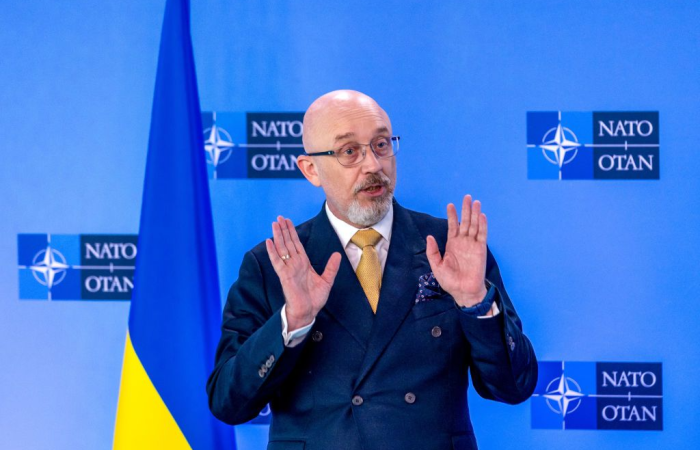
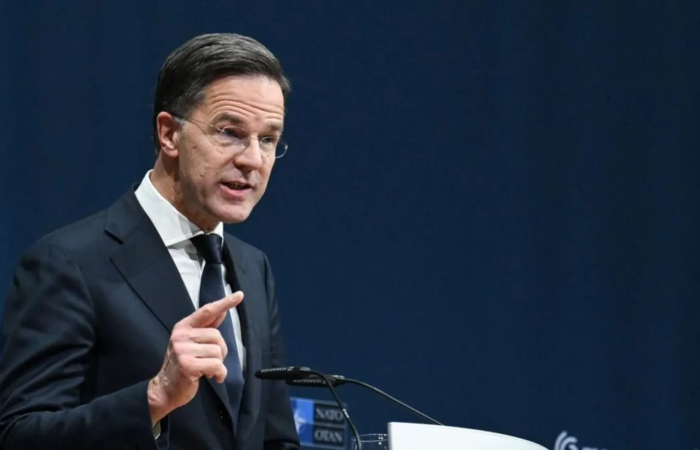
Russia could attack a NATO country within the next five years, the Secretary General of NATO, Mark Rutte, said in a stark new warning. "NATO's own defences can hold for now," Rutte warned in Berlin, but conflict was "next door" to Europe, and he feared "too many are quietly complacent, and too many don't feel the urgency, too many believe that time is on our side. "Russia is already escalating its covert campaign against our societies," Rutte said in a speech in Germany. "We must be prepared for the scale of war our grandparents or great-grandparents endured." Earlier this month, Russia's President Vladimir Putin said his country was not planning to go to war with Europe, but it was ready "right now" if Europe wanted to - or started a war. But similar reassurances were given by Moscow in 2022, just before 200,000 Russian troops crossed the border and invaded Ukraine. Putin has accused European countries of hindering US efforts to bring peace in Ukraine - a reference to the role Ukraine's European allies have recently played in trying to change a US peace plan to end the war, whose initial draft was seen as favouring Russia. But Putin was not sincere, Nato's secretary-general said in the German capital, Berlin. Supporting Ukraine, he added, was a guarantee for European security. "Just imagine if Putin got his way; Ukraine under the boot of Russian occupation, his forces pressing against a longer border with Nato, and the significantly increased risk of an armed attack against us." Russia's economy has been on a war footing for more than three years now - its factories churn out ever more supplies of drones, missiles and artillery shells. According to a recent report by the Kiel Institute for the World Economy, Russia has been producing each month around 150 tanks, 550 infantry fighting vehicles, 120 Lancet drones and more than 50 artillery pieces. The UK, and most of its Western allies, are simply not anywhere near this point. Analysts say it would take years for Western Europe's factories to come close to matching Russia's mass-production of weapons. "Allied defence spending and production must rise rapidly, our armed forces must have what they need to keep us safe," the Nato chief said.

Filter archive

Publication date
Editor's choice
News
Protests greet Russian cruise ship as it docks in Georgia for the second time

Protests greet Russian cruise ship as it docks in Georgia for the second time

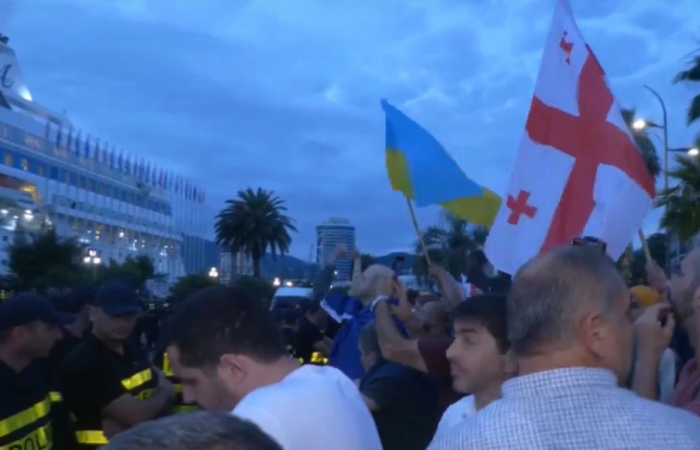
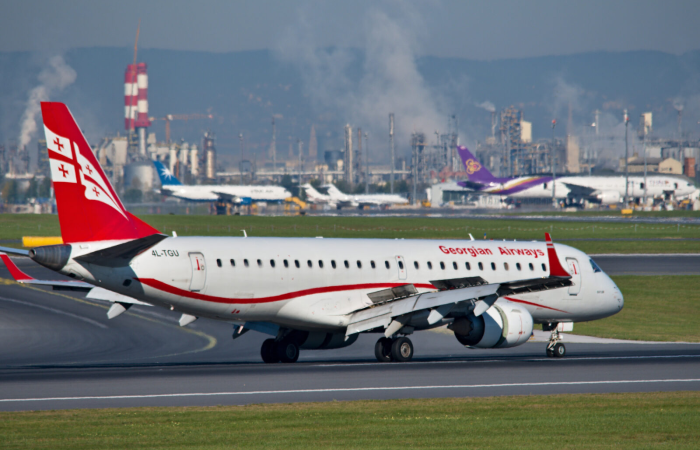
Large protests have greeted a Russian cruise ship docking in the Georgian port city of Batumi on Monday (31 July). It is the second such protest in less than a week after the Astoria Grande docked on Thursday (27 July) despite protests, and left Georgia two days earlier than scheduled. Major demonstrations had already begun outside the port in Batumi around midnight on Monday, hours before the cruise ship, which is reported to be carrying a number famous Russian media personalities and celebrities who have expressed support for Russia's ongoing invasion, docked in Batumi. 
Editor's choice
Opinion
Opinion: Russia determined not to be marginalised in the Armenia-Azerbaijan negotiation process

Opinion: Russia determined not to be marginalised in the Armenia-Azerbaijan negotiation process

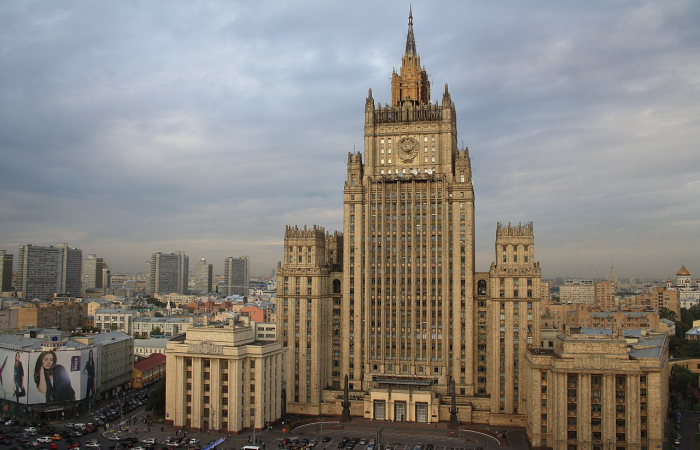
The Armenian and Azerbaijani foreign ministers meet in Moscow today at the invitation of their Russian counterpart. It is the latest attempt by Russia to ensure that it is not marginalized, as Armenia-Azerbaijan negotiations continue in earnest with western mediation. In this op-ed for commonspace.eu, Benyamin Poghosyan says that Russian demands to include in the peace agreement the issue of rights and security of the Armenians of Nagorno-Karabakh may allow Armenia to take a more flexible position during the upcoming negotiations and seek to create minimally acceptable conditions for Armenians living in Nagorno Karabakh. 
Editor's choice
News
Russia launches strikes on Ukrainian ports 200m from Romanian border

Russia launches strikes on Ukrainian ports 200m from Romanian border

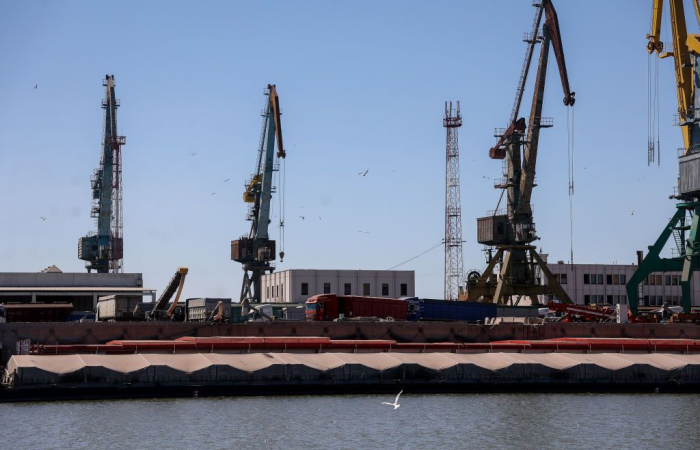
On the night of Monday (24 July), Russia launched a wave of drone strikes on Ukrainian grain silos at the Danube river ports of Izmail and Reni, located only 200m from the Ukraine's border with NATO member state Romania. The airstrikes injured six people and damaged grain storage units. Ukraine's Southern Military Command said they shot down three drones out of a total of 15 launched at the facility.
Editor's choice
News
Ukrainian alarm over Zaporizhzhia nuclear power plant grows, Zelensky warns of provocation

Ukrainian alarm over Zaporizhzhia nuclear power plant grows, Zelensky warns of provocation

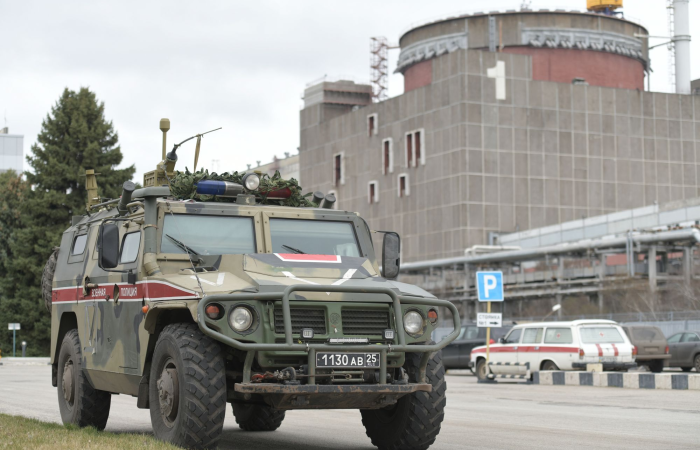
Alarm is growing in Ukraine over the fate of the Zaporizhzhia Nuclear Power Plant (NPP), which has been under Russian control since the opening weeks of Russia's full-scale invasion of Ukraine in February last year. In his nightly address on Tuesday (4 July), Ukrainian President Volodymyr Zelensky warned that Russia is "preparing a provocation" at the Zaporizhzhia NPP. Citing Ukrainian intelligence, President Zelensky said that Russia has placed explosives on the roof of two power units, raising concerns that Russia could deliberately damage the power plant under their control to hinder Ukraine's ongoing counteroffensive. The General Staff of Ukraine's Armed Forces also reported that Russia is preparing a strike "in the near future", adding that "their detonation should not damage power units but may create a picture of shelling by Ukraine's military". Zelensky also said that "now the whole world must realise that common security depends entirely on global attention to the occupiers' actions at the station". Earlier on 20 June, citing intelligence, President Zelensky also warned that Russia was considering attacking the NPP through radiation leakage.
Editor's choice
News
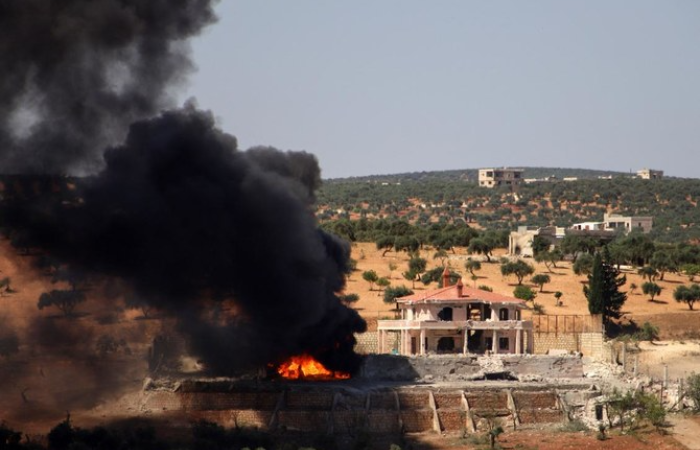
Russian airstrike on Idlib market in Syria kill at least 13, injures dozens

Russian airstrike on Idlib market in Syria kill at least 13, injures dozens

A Russian airstrike launched on a market in the north-western Syrian city of Idlib on Sunday (25 June) have killed 13 people, reports Arab News. At least nine civilians are among the dead, including two children. Around 30 people are understood to have been injured in the Russian strike on the rebel-held city, and it is expected that the death toll will rise. The regime of Syrian President Bashar al-Assad - backed by Russia and Iran - has won back most of the territory that it lost to various groups in the early years of the Syrian Civil War that began in 2011 after the regime violently surpressed pro-democracy protests that had swept through a number of Arab countries. The violent repression of the protests led to President Assad and Syria being a pariah state for a number of years, although a process of the country's rehabilitation has recently taken place with Syria re-joining the Arab League in May this year, at the 32nd summit of the group in Jeddah. You can read more about this here. Over the years, Russia has repeatedly launched airstrikes across rebel-held regions of Syria. Although deadly Russian airstrikes on civilians in Syria have been limited this year - likely due to its ongoing invasion of Ukraine - Sunday's strike is the deadliest attack on Syria this year.