Saudi Arabia and Azerbaijan sign groundbreaking agreements for renewable energy projects in the Caspian Sea worth $300 million

Saudi Arabia and Azerbaijan have signed groundbreaking agreements for $300 million worth of renewable energy projects in the Caspian country.

The Saudi leading energy company, ACWA Power, will develop Azerbaijan’s first wind power development in collaboration with local entities, in three deals that could herald further joint energy projects between the two countries.

At a virtual signing ceremony, Prince Abdul Aziz Bin Salman, Saudi Arabia’s energy minister, said that the collaboration was a further example of the “long-standing diplomatic and economic relationship” between the Kingdom and Azerbaijan. “Saudi Arabia is delighted to be a partner in the future growth and development of Azerbaijan through helping it on its renewable energy journey. I am proud to say that the project has been made possible through Saudi expertise and capabilities,” he said.

“ACWA Power is a Saudi national champion in energy, and it will be leveraging its experience, and its track record in successful renewable projects, to help Azerbaijan deliver this strategically important development,” he added. 

ACWA, which is 50 percent owned by the Public Investment Fund, is one of the main agencies for the Kingdom’s initiatives in domestic and global renewable energy, and high-tech water desalination processes.

Its chairman, Mohammed Abunayyan, said that the agreements were a “milestone and a strong step on the road toward full realization of the potential renewable energy in Azerbaijan.”

Prince Abdul Aziz praised Azerbaijan for its commitment to cuts in oil supply during recent OPEC+ negotiations. “The Kingdom appreciates Azerbaijan’s role in fulfilling its obligations under the declaration of cooperation of OPEC+, and the high level of compliance it has achieved,” he said.

Parviz Shahbazov, Azerbaijan’s energy minister, said the deals were an “indication of confidence in the business climate in Azerbaijan, and will represent the next stage of economic cooperation between our two countries.”

The projects — in the Absheron and Khizi region of Azerbaijan — will help generate one billion KW hours of electricity annually and save 220 cubic meters of gas, as well as reduce emissions by 400 million tons annually, Shahbazov estimated.

“I am confident that other companies from Saudi Arabia will follow the example of ACWA and invest in Azerbaijan,” he added.

Azerbaijan produces just under 600,000 barrels of oil per day under OPEC+ agreements, but has said it would like to follow the example of Russia and some other producers in supporting an OPEC+ increase of a further 500,000 from February.

source: commonspace.eu with Arab News (Jeddah) and agencies

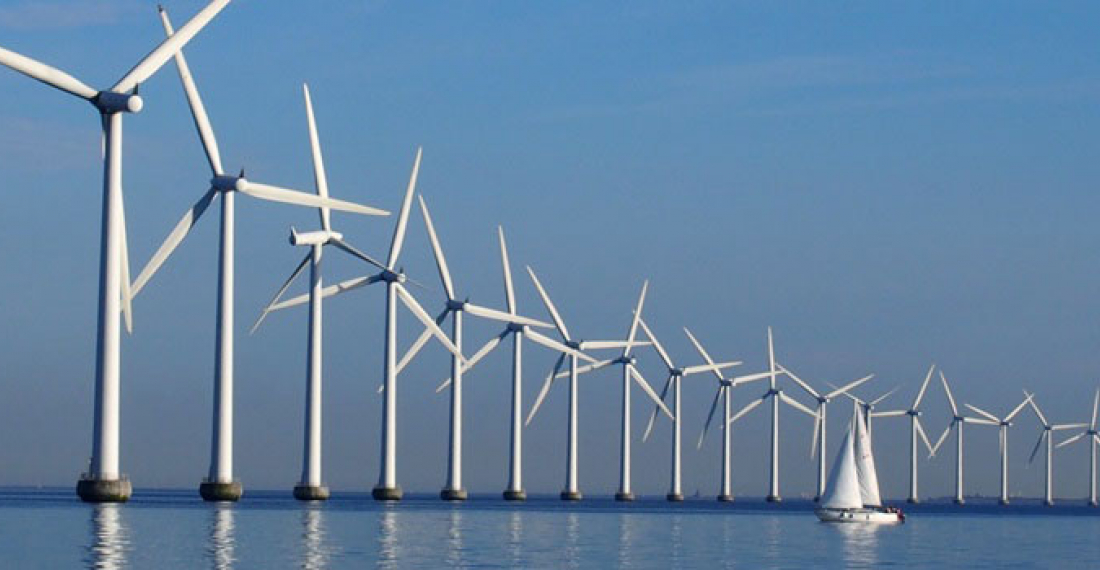
photo: Wind farms (archive picture)
Related articles

Editor's choice
News
Borrell tells the European Parliament that the situation in Afghanistan was critical, but the EU will remain engaged

Borrell tells the European Parliament that the situation in Afghanistan was critical, but the EU will remain engaged

Borrell underlined that the European Union will make every effort to support the peace process and to remain a committed partner to the Afghan people. "Of course, we will have to take into account the evolving situation, but disengagement is not an option.  We are clear on that: there is no alternative to a negotiated political settlement, through inclusive peace talks.
Editor's choice
News
Germany accuses Russia of cyberattacks and disinformation campaign

Germany accuses Russia of cyberattacks and disinformation campaign

The German government holds Russia responsible for a cyberattack on German air traffic control, and for targeted disinformation campaigns before the last federal election. According to the German Foreign Office in Berlin, the incidents could be clearly attributed to the Russian military intelligence service, the GRU. In response, the Russian ambassador to Berlin was summoned to the Foreign Ministry. "We have been observing a massive increase in threatening hybrid activities by Russia for some time now," a spokesperson for the Foreign Ministry stated. These range from disinformation campaigns and espionage to cyberattacks and sabotage attempts. The aim is to divide society, sow distrust, and undermine confidence in democratic institutions. The spokesperson added that with these actions, Russia is "very concretely threatening our security, not only through its war of aggression against Ukraine, but also here in Germany."  The Foreign Ministry spokesperson explained that the cyberattack on air traffic control in August 2024 was clearly attributed to the hacker collective "APT28," known as "Fancy Bear," and to the responsibility of the Russian military intelligence service, the GRU. Furthermore, it could now be "conclusively stated" that Russia had attempted "to influence and destabilize both the last Federal election and the ongoing internal affairs of the Federal Republic of Germany." There was "absolutely irrefutable evidence" for this". The so-called "Storm 1516" campaign, which has been running since 2024, is allegedly backed by "reliable information" that the Moscow-based think tank "Center for Geopolitical Expertise" is behind it. The Center is also said to be supported by Russian military intelligence. Its primary aim is to influence democratic elections in the West. (Click the image to read more).

Popular

Editor's choice
News
Germany accuses Russia of cyberattacks and disinformation campaign

Germany accuses Russia of cyberattacks and disinformation campaign

The German government holds Russia responsible for a cyberattack on German air traffic control, and for targeted disinformation campaigns before the last federal election. According to the German Foreign Office in Berlin, the incidents could be clearly attributed to the Russian military intelligence service, the GRU. In response, the Russian ambassador to Berlin was summoned to the Foreign Ministry. "We have been observing a massive increase in threatening hybrid activities by Russia for some time now," a spokesperson for the Foreign Ministry stated. These range from disinformation campaigns and espionage to cyberattacks and sabotage attempts. The aim is to divide society, sow distrust, and undermine confidence in democratic institutions. The spokesperson added that with these actions, Russia is "very concretely threatening our security, not only through its war of aggression against Ukraine, but also here in Germany."  The Foreign Ministry spokesperson explained that the cyberattack on air traffic control in August 2024 was clearly attributed to the hacker collective "APT28," known as "Fancy Bear," and to the responsibility of the Russian military intelligence service, the GRU. Furthermore, it could now be "conclusively stated" that Russia had attempted "to influence and destabilize both the last Federal election and the ongoing internal affairs of the Federal Republic of Germany." There was "absolutely irrefutable evidence" for this". The so-called "Storm 1516" campaign, which has been running since 2024, is allegedly backed by "reliable information" that the Moscow-based think tank "Center for Geopolitical Expertise" is behind it. The Center is also said to be supported by Russian military intelligence. Its primary aim is to influence democratic elections in the West. (Click the image to read more).