Three-way negotiations between Russia, Ukraine and the United States opened in Abu Dhabi on Tuesday, November 10, marking the resumption of direct peace talks since 28 February. The two-day discussions, mediated by Washington, aim to identify possible pathways towards ending the war, which has continued for nearly five years following Russia's full-scale invasion in February 2022. The negotiations come amid persisting disagreements over territorial concessions, Ukraine's future security arrangements and the role of European countries in determining the continent's security framework.
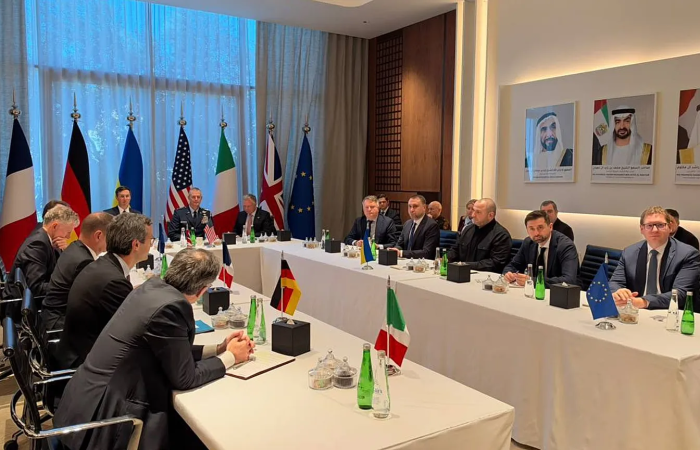
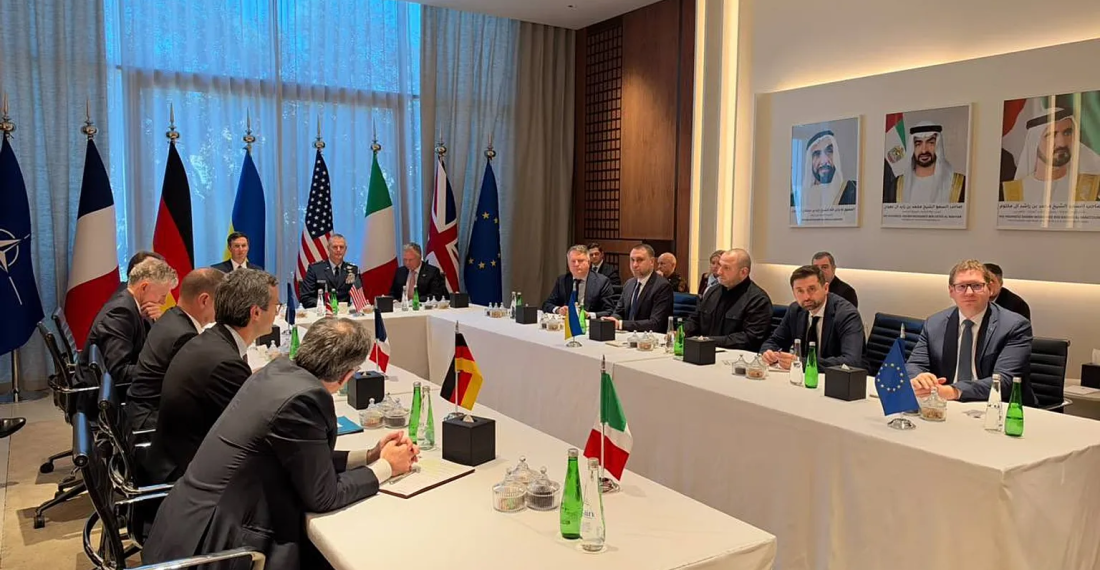
The talks began with consultations between Ukrainian and American representatives and officials from the United Kingdom, France, Germany, Italy, NATO and the European Commission. Ukraine's chief negotiator, Rustem Umerov, said the participants would coordinate their positions before the subsequent trilateral discussions with Russia. Kyiv's delegation is also expected to include presidential chief of staff Kyrylo Budanov, while Moscow's team is led by Vladimir Medinsky, a long-standing Kremlin aide. Washington is represented by presidential envoys Steve Witkoff and Jared Kushner. Neither Russian President Vladimir Putin nor Ukrainian President Volodymyr Zelenskyy is attending.
Territorial disputes remain the principal obstacle to a settlement. Moscow demands that Ukraine withdraw its troops from Donetsk, Luhansk, Zaporizhzhia and Kherson, four regions Russia declared annexed in September 2022 despite never establishing full control over them. Russia also insists that Kyiv abandon its NATO membership ambitions and accept restrictions on its military capabilities. Ukraine rejects these conditions, arguing that territorial concessions would reward Russian aggression and leave the country vulnerable to further attacks. According to a statement made by Zelenskyy on X, Kyiv will propose de-escalation measures and seek an agreement on arranging a future meeting between the Russian, Ukrainian and American leaders. Meanwhile, a senior US official reportedly indicated that both sides had demonstrated limited flexibility over territorial questions, although no details were provided.
Post-war security guarantees are closely linked to the territorial negotiations. According to US media reports, Washington and Moscow have discussed arrangements potentially modelled on NATO's Article 4 and Article 5, covering security consultations and collective defence. Other proposals reportedly include reviving the NATO-Russia Council, suspended since 2022, and establishing a mechanism allowing sanctions against Moscow to be reinstated if it violates a ceasefire.
European governments have expressed concern about being excluded from negotiations that could fundamentally reshape their security environment. Although European representatives participated in preliminary consultations, Russia has insisted that the formal discussions remain trilateral. Moscow has also welcomed Washington's willingness to address NATO's presence in Eastern Europe, while several EU governments fear that such an agreement could accommodate Russian demands at the expense of European security. Disagreements among European leaders over direct engagement with Putin have further complicated efforts to establish a common diplomatic position.
The diplomatic initiative is unfolding alongside continued military escalation. Russia launched 162 drones and a ballistic missile towards Ukraine overnight, according to Ukraine's air force, while Moscow reported intercepting 155 Ukrainian drones. Russian attacks have increasingly targeted Ukraine's energy infrastructure ahead of winter, while Kyiv has intensified strikes against Russian oil refineries.
Despite Trump's expectations of significant progress, Washington has cautioned against anticipating an immediate breakthrough. Kushner described the conflict as exceptionally complicated, saying the meetings could help build momentum towards a subsequent phase of negotiations. Possible initial outcomes could include humanitarian arrangements, prisoner exchanges and measures to protect civilian and energy infrastructure.
Source: commonspace.eu with Euronews (Brussels), France 24 (Paris) and NPR (Washington DC).